


- Home
- About Us
About Us
- Product
Product
- Cases
Cases
- R&D Technology
- News
News
- Contact Us


- Default Language
 EN
EN RU
RU ES
ES DE
DE EL
EL IT
IT JA
JA KO
KO PT
PT ID
ID SR
SR UK
UK VI
VI TH
TH TR
TR MS
MS BE
BE AR
AR
巴音郭楞蒙古自治州A Complete Guide to Clinic Sewage Treatment Equipment: Selection Criteria, Technical Points and Compliant Operation & Maintenance
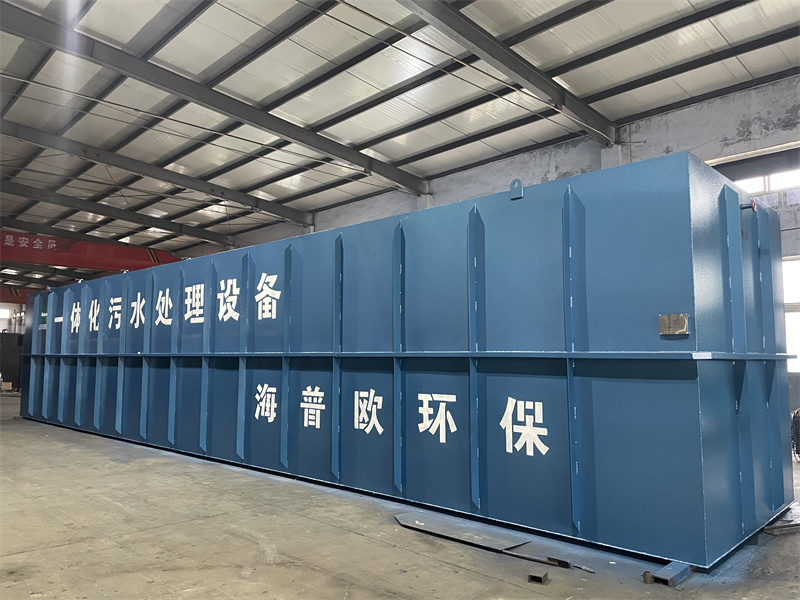
Against increasingly strict environmental compliance requirements in the medical industry, clinic sewage treatment equipment has become mandatory environmental facilities for all types of clinics, including dental, general and specialized clinics. Different from domestic sewage, clinic wastewater contains pathogens, pharmaceutical residues, heavy metal ions and radioactive substances (in some specialized clinics). Direct discharge without compliant treatment will not only pollute water bodies and spread infectious diseases, but also lead to administrative penalties from environmental authorities. This article professionally analyzes the core technologies, selection criteria and operation & maintenance key points of clinic sewage treatment equipment, delivering compliant and high-efficiency solutions for clinic operators.
I. Characteristics of Clinic Wastewater and Core Functions of Treatment Equipment
Although the daily sewage discharge of clinics is far lower than large hospitals, normally 5 to 50 cubic meters per day, the pollutants are complicated and highly hazardous:
Pathogen contamination: Pathogenic microorganisms including Escherichia coli, Hepatitis B virus and HIV with strong infectivity;
Chemical contamination: Fluoride-containing wastewater and oral rinsing fluid from dental clinics, antibiotic residues and chlorine-based disinfectants from general clinics;
Solid impurities: Tooth fragments, gauze fibers and disposable medical device residues generated during diagnosis and treatment.
The core function of clinic sewage treatment equipment is to reduce pollutant concentrations to meet the requirements of Discharge Standard of Water Pollutants for Medical Organization (GB 18466-2005) via combined processes of physical filtration, chemical disinfection and biodegradation. The mandatory indicators are listed below:
Fecal coliform ≤ 500 CFU/L after disinfection;
Chemical Oxygen Demand (COD) ≤ 60mg/L;
Suspended Solids (SS) ≤ 20mg/L;
Residual chlorine: 0.5–3mg/L to guarantee disinfection effect without secondary pollution.
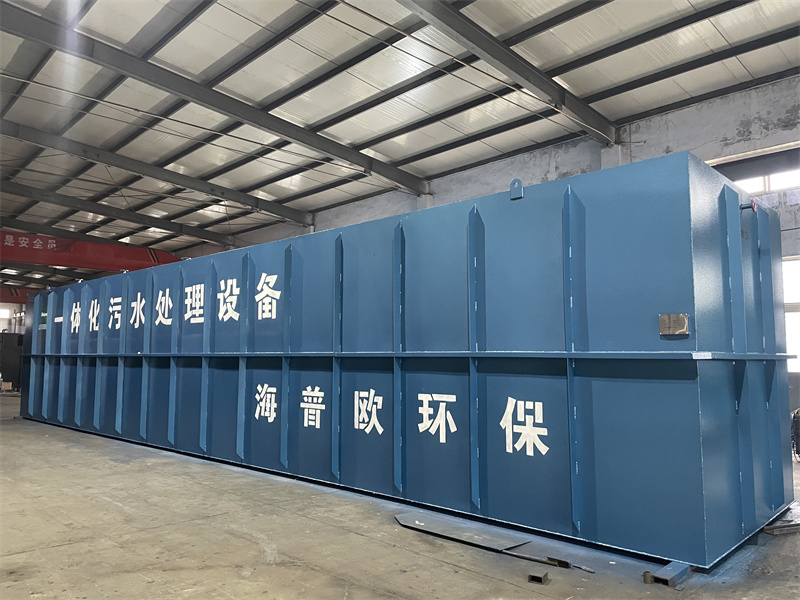
II. Three Main Types of Clinic Sewage Treatment Equipment and Technical Differences
Based on clinic scale, wastewater composition and site conditions, the equipment falls into three categories with unique technical features and applicable scenarios:
1. Small Integrated Sewage Treatment Equipment (Mainstream Choice)
Technical Principle
It adopts an integrated process of pre-treatment and disinfection. Biochemical units are added in high-end models. The technical flow is as follows:
Bar Screening → Equalization Tank → Hydrolytic Acidification (Optional) → Chlorine Dioxide / Ozone Disinfection → Sedimentation Tank → Compliant Discharge
Core Advantages
Small footprint (only 1.5–5 square meters), floor-mounted or buried installation available to fit limited space inside clinics;
High automation with PLC control system, supporting automatic chemical dosing, automatic disinfection and fault alarms with no on-site operator required;
Stable treatment efficiency: pathogen killing rate exceeds 99.9%, COD removal rate ≥ 80%, meeting Grade I standard of GB 18466-2005.
Applicable Scenarios
Small and medium-sized general clinics, dental clinics and traditional Chinese medicine clinics without radioactive wastewater, daily water volume ≤ 30 cubic meters.
2. Chemical Disinfection Sewage Treatment Equipment
Technical Principle
Centered on chemical oxidation. Disinfectants such as chlorine dioxide and sodium hypochlorite are dosed to break down the protein structure of pathogens and degrade partial organic pollutants.
Process: Wastewater Collection → Chemical Mixing & Reaction → Sedimentation → Residual Chlorine Testing → Discharge
Core Advantages
Low equipment cost and simple operation, ideal for budget-limited small community clinics;
Fast disinfection with reaction time ≤ 30 minutes, adapting to intermittent drainage from clinics.
Notes
Regular purchase of disinfectants is required. Excessive dosage will cause residual chlorine overload, so a dechlorination unit must be installed. It is not suitable for wastewater with high organic content such as oily dental sewage.
3. Membrane Separation Integrated Sewage Treatment Equipment
Technical Principle
Combines membrane filtration and advanced oxidation technology. Ultrafiltration membranes with pore size 0.01–0.1μm trap suspended solids, colloids and microorganisms. Further purification is realized by UV or ozone oxidation.
Process: Pre-treatment → Membrane Filtration → UV Disinfection → Water Quality Monitoring → Discharge or Reuse (e.g., toilet flushing)
Core Advantages
Premium effluent with turbidity ≤ 1 NTU, reaching water reuse standards for clinics in water-scarce regions;
No chemical residue and zero secondary pollution, suitable for high-end aesthetic medical clinics with strict environmental requirements.
Applicable Scenarios
Clinics with daily discharge ≤ 10 cubic meters requiring high water quality or water recycling. The upfront investment is relatively high while long-term O&M cost remains low.
III. Five Professional Criteria for Equipment Selection
Clinic operators should avoid blindly choosing low-price products or overinvesting in high-end equipment. Scientific selection shall follow five core dimensions:
1. Matching Equipment Capacity with Water Volume and Water Quality
Select equipment capacity at 1.2 times the average daily discharge to cope with peak flow during morning consultation hours;
Dental clinics need special fluoride removal modules with activated alumina adsorption process;
Clinics with radiology services (dental CBCT, orthopedic X-ray) shall adopt specialized equipment with radioactive ion adsorption and shielding functions to prevent contamination by iodine-131 and other radioactive substances.
2. Prioritize Compliance with National Standards
The equipment must hold CCEP environmental product certification, and manufacturers shall provide the Sanitary License for Disinfectant Product Producers;
Online monitoring devices for residual chlorine, COD and SS shall be installed and connected to local environmental supervision platforms as required by regional regulations.
3. Adapt Installation Mode to Site Conditions
For clinics in office buildings or residential communities with no outdoor space, choose buried integrated units (the ground above can be green space or parking lot) or wall-mounted compact units installed in restrooms;
Equipment for northern China must be equipped with thermal insulation and heating devices to prevent pipeline cracking when ambient temperature drops below 0℃ in winter.
4. Evaluate O&M Cost and Operational Convenience
Select units with self-cleaning screens and automatic sludge discharge to reduce manual labor, as small clinics rarely have full-time maintenance staff;
Adopt flow-linked automatic dosing systems to avoid waste of disinfectants;
The equipment shall have maintenance access and multiple fault alarms (water shortage, low chemical level) for easy upkeep.
5. Cost Performance and After-Sales Service
Compare total expenditure including upfront cost plus five-year operation cost rather than unit price only. Although membrane separation equipment costs more initially, its 5-year O&M expense is only 60% of chemical disinfection units;
Cooperate with manufacturers offering on-site installation, free commissioning, one-year warranty and lifelong technical support to avoid unattended breakdowns.
IV. Standardized Operation & Maintenance to Ensure Compliance
Even well-selected equipment may produce substandard effluent due to improper operation. Professional maintenance specifications are as follows:
Regular Inspection and Calibration
Check daily operation status including aeration and chemical liquid level; calibrate residual chlorine detectors weekly with allowable error ≤0.1mg/L; clear solid waste trapped on screens monthly to prevent pipe blockage.
Disinfectant Management Rules
Chlorine dioxide solution must be prepared freshly and used within 24 hours; sodium hypochlorite must be stored away from light to avoid decomposition;
Keep complete purchasing and consumption ledgers for environmental inspections.
Sludge and Residue Disposal
Sludge from sedimentation tanks and membrane cleaning waste are classified as hazardous waste. They must be handed over to licensed hazardous waste disposal contractors instead of random dumping;
Dental hard tissue fragments are categorized as medical waste and must be collected separately to avoid equipment clogging.
Emergency Response Plan
Shut down drainage immediately once equipment breaks down, switch to backup water tanks and contact the manufacturer for repair;
Monitor liquid level of equalization tanks during rainstorms to prevent overload caused by rainwater backflow.
V. Policy Trend: Future Development of Clinic Sewage Treatment Equipment
Driven by the dual-carbon goals and stricter environmental inspections, the equipment will be upgraded in three directions:
Low-carbon Operation: More units will be equipped with solar power supply and energy-saving aeration systems, cutting power consumption by over 30%;
Intelligent Upgrading: IoT and big data will be integrated to realize remote monitoring via mobile APP, including real-time water quality data and fault alerts, achieving unattended operation;
Water Recycling: Medium water reuse modules will be added to treat effluent for toilet flushing and floor cleaning, complying with national sponge city construction policies and improving water utilization efficiency.
Conclusion
For medical clinics, sewage treatment equipment is not merely a compliance necessity, but also a commitment to public health and ecological protection. Equipment selection must focus on three core principles: regulatory compliance, site adaptability and economic efficiency. Strictly follow operational specifications in daily maintenance to secure long-term stable performance. With technological progress and updated policies, clinic wastewater treatment will become more efficient, low-carbon and intelligent, providing solid support for the green transition of the medical industry.
Related Products
Related News
- 巴音郭楞蒙古自治州New Trends in the Development of the MBR Membrane Wastewater Treatment Industry: A Professional Guide to Selecting Source Manufacturers
- 巴音郭楞蒙古自治州How to Select Wastewater Treatment Equipment for Pig Farms? In-depth Review of Trusted Industry Service Providers
- 巴音郭楞蒙古自治州Hard-to-Treat Slaughterhouse Wastewater? Tested & Recommended High-Adaptability Wastewater Treatment Solutions for 2026
- 巴音郭楞蒙古自治州How to Select Integrated Wastewater Treatment Equipment? In-depth Review of Trustworthy Source Manufacturers Recognized by Industry Insiders
- 巴音郭楞蒙古自治州How to Select Buried Integrated Wastewater Treatment Equipment? Strength Evaluation of Reliable Brands in 2026
- 巴音郭楞蒙古自治州Inventory of New Coal Mine Water Treatment Technologies! How to Select Cost-Effective Manufacturers & Avoid Common Pitfalls
- 巴音郭楞蒙古自治州Textile Printing & Dyeing Wastewater Treatment Is Tough? These Four Powerful Enterprises Easily Solve Core Industry Pain Points
- 巴音郭楞蒙古自治州Authoritative Evaluation of High-Salinity Wastewater Treatment Equipment | Top Recommended Brands of 2026
- 巴音郭楞蒙古自治州Which Supplier Offers Reliable Integrated Sewage Treatment Equipment? Multi-dimensional Actual Test Comparison & Top Recommended Brands Released
- 巴音郭楞蒙古自治州Electroplating Factory Wastewater Treatment Engineering Cases
About Us
products
Business
News
Contact Us
Service Hotline:+86-15253659088WhatsApp: +86 18706508001
Email: jly@haipuou.group
Address: No.56, Donghuan Road, Zhucheng City, Weifang City, Shandong Province, China