


- Home
- About Us
About Us
- Product
Product
- Cases
Cases
- R&D Technology
- News
News
- Contact Us


- Default Language
 EN
EN RU
RU ES
ES DE
DE EL
EL IT
IT JA
JA KO
KO PT
PT ID
ID SR
SR UK
UK VI
VI TH
TH TR
TR MS
MS BE
BE AR
AR
山南地区Complete Handbook for High-Strength Wastewater Treatment Units: Process Sizing, Regulatory Compliance & Long-Term O&M Tips
Date:July 13, 2025ID: 2297Views: 961
海普欧环保集团有限公司专业从事污水处理工程的建设和水处理设备的生产与销售,主要产品有一体化污水处理设备,高效旋流净化器,磁分离污水处理设备,装配式污水处理厂,智慧水务平台,污泥浓缩设备,气浮机设备等。
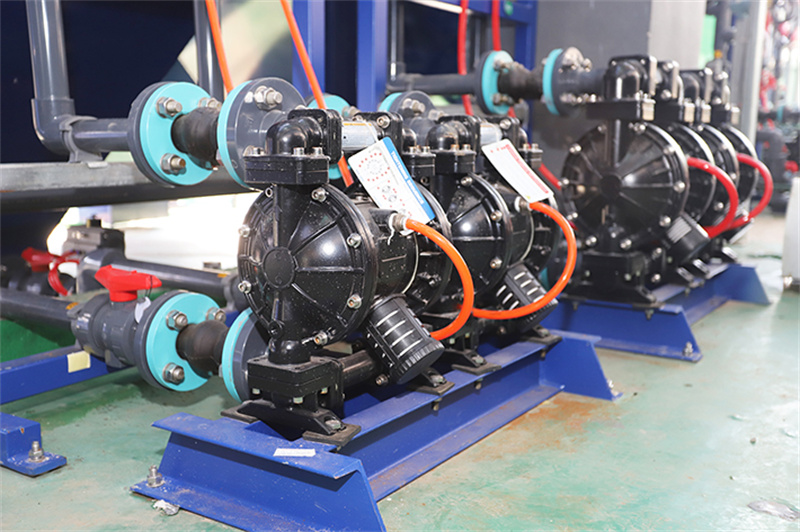
In high-polluting industries including chemical, pharmaceutical, papermaking and food processing, high-concentration wastewater treatment equipment acts as core facilities to achieve stable compliant discharge, lower environmental risks and boost water resource recycling efficiency. High-concentration wastewater usually features high COD, high salinity, poor biodegradability, toxic substances and refractory organic pollutants. Single equipment cannot satisfy treatment demands, so complete, modular and intelligent treatment systems are mandatory. Starting from technical classification, selection logic, engineering application, compliance standards and operation & maintenance key points, this article delivers implementable high-concentration wastewater treatment equipment solutions for enterprises, facilitating search engine indexing and precise access for industrial users.
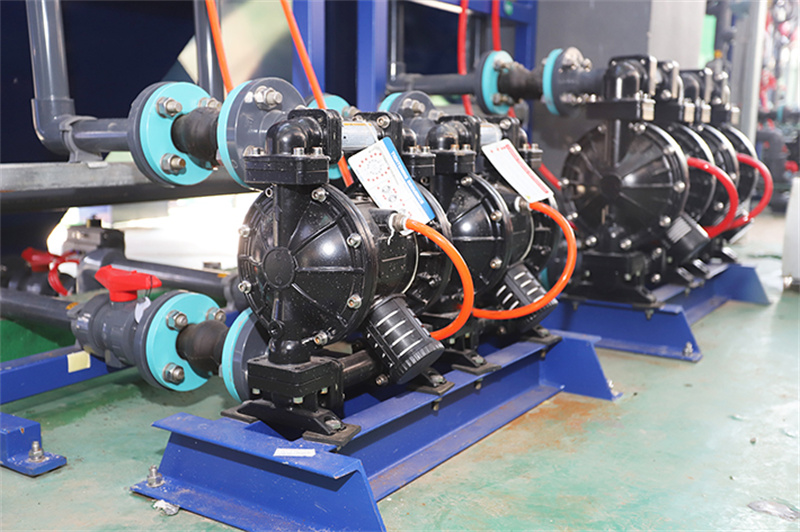
I. Core Classification & Technical Principles of High-Concentration Wastewater Treatment Equipment
High-concentration wastewater treatment adopts a four-stage process: Pretreatment → Main Degradation → Advanced Purification → Resource Reuse. Equipment in each section has clear functions and operates cooperatively to guarantee stable qualified effluent.
1. Pretreatment Equipment: Reduce Load & Improve Biodegradability
Micro-electrolysis / Iron-carbon Reactor: Breaks down aromatic and heterocyclic refractory organics to raise B/C ratio, applicable to pharmaceutical, pesticide and dye wastewater.
Fenton / Catalytic Oxidation Equipment: Generates hydroxyl radicals (·OH) to break molecular chains and open ring structures, with COD removal efficiency of 30%–60%, suitable for high-toxic wastewater.
Dissolved Air Flotation / Coagulation Sedimentation Equipment: Rapidly removes oil and suspended solids to cut subsequent biochemical load, with low operating cost and wide versatility.
Regulating Tank & Homogenization Tank: Buffers fluctuations of water volume and quality to avoid impact load and stabilize the whole system.
2. Main Treatment Equipment: Efficient Degradation of Organic Pollutants
UASB/IC Anaerobic Reactor: Treats high-concentration organic wastewater with COD of 5000–50000mg/L, features high volumetric load and recyclable biogas, widely used in food, brewing and chemical industries.
AnMBR Anaerobic Membrane Bioreactor: Membrane retains sludge, tolerates high ammonia nitrogen and salt impact, the preferred option for landfill leachate and high-salinity organic wastewater.
AO/A²/O Biochemical System: Removes nitrogen and phosphorus, cooperates with MBR membrane to realize mud-water separation for clearer effluent.
Electrocatalytic / Ozone Catalytic Oxidation: Targets refractory organics with zero secondary pollution and high automation level.
3. Advanced Treatment & Resource Utilization Equipment
DTRO/RO/Nanofiltration Membrane Equipment: Strong anti-pollution performance and high desalination rate, realizes reclaimed water reuse with reuse rate over 80%.
MVR Evaporator: Core equipment for zero liquid discharge of high-salinity wastewater, energy consumption reduced by 70%–90% compared with traditional multi-effect evaporation.
Crystallization & Salt Separation System: Separates and recycles NaCl, Na₂SO₄ to realize resource recovery and hazardous waste reduction.
Activated Carbon / Resin Adsorption: Deeply removes COD, chroma and heavy metals to ensure stable qualified effluent.
II. Four Key Principles for Selecting High-Concentration Wastewater Treatment Equipment
Equipment selection directly determines treatment performance, operating cost and compliance capacity. Enterprises shall match equipment following the logic below:
Select by Wastewater Quality Characteristics
High COD & Easily Biodegradable Wastewater: Prioritize UASB/IC Anaerobic + AO+MBR combination.
High-Salinity & High COD Wastewater: Adopt salt-tolerant biochemistry + DTRO+MVR process.
Refractory & Toxic Wastewater: Equip Fenton / ozone catalytic oxidation as pretreatment before biochemical system.
Landfill Leachate: Standard configuration of AnMBR+NF/RO combination.
Select by Treatment Targets
Qualified Discharge: Focus on advanced oxidation + deep filtration configuration.
Reclaimed Water Reuse: UF+RO dual-membrane system is mandatory.
Zero Liquid Discharge: Full-process of membrane concentration + MVR evaporation & crystallization.
Select by Cost & Land Occupation
Large Water Volume & Sufficient Land Space: Traditional civil anaerobic + aerobic combination.
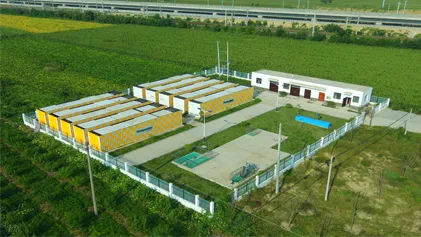
Limited Land & Short Construction Period: Skid-mounted integrated high-concentration wastewater treatment equipment.
Low Operating Cost Priority: Prioritize technologies of biogas recovery, waste heat utilization and chemical dosage reduction.
Select by Compliance Standards
Strictly comply with national standards GB 18918-2002, GB 21906-2008, GB 16889-2008 and local discharge standards, ensure equipment and processes can pass acceptance and online monitoring inspection.
III. Typical Industrial Equipment Combination Schemes (Directly Applicable)

IV. Intelligent Upgrading & Policy Trends of High-Concentration Wastewater Treatment Equipment
Intelligent Upgrading
Real-time online monitoring of COD, ammonia nitrogen, pH, flow and ORP; PLC automatically controls chemical dosing, aeration, sludge reflux and membrane cleaning, realizing unattended operation, fault early warning and energy consumption optimization.
Low-Carbon & Resource-Oriented Development
Anaerobic biogas power generation, MVR waste heat recovery, reclaimed water reuse and crystalline salt recovery cut costs and meet national dual-carbon goals.
Policy Guidance
Tougher environmental inspections, centralized park governance and full coverage of online monitoring push high-concentration wastewater treatment equipment toward complete set, standardized and skid-mounted design.
V. Key Points for Equipment Operation & Long-Term Stable Performance
Regularly clean membrane modules, replace fillers and catalysts to prevent blockage and efficiency attenuation.
Strictly control influent pH, temperature and salinity to avoid impact on biochemical systems.
Establish operation logs and maintenance records to cooperate with environmental inspections and project acceptance.
Prioritize manufacturers with integrated capacity covering design, production, installation, commissioning and after-sales service.
Conclusion
High-concentration wastewater treatment equipment is an essential facility for industrial environmental governance. Proper equipment selection and standardized operation can achieve qualified discharge, controllable costs, zero environmental risks and resource recycling. Enterprises shall select complete, intelligent and resource-oriented treatment systems based on wastewater quality, water volume, discharge standards and land conditions, so as to meet long-term environmental requirements and improve competitiveness and sustainable development capacity.
Related Products
Related News
- 山南地区New Trends in the Development of the MBR Membrane Wastewater Treatment Industry: A Professional Guide to Selecting Source Manufacturers
- 山南地区How to Select Wastewater Treatment Equipment for Pig Farms? In-depth Review of Trusted Industry Service Providers
- 山南地区Hard-to-Treat Slaughterhouse Wastewater? Tested & Recommended High-Adaptability Wastewater Treatment Solutions for 2026
- 山南地区How to Select Integrated Wastewater Treatment Equipment? In-depth Review of Trustworthy Source Manufacturers Recognized by Industry Insiders
- 山南地区How to Select Buried Integrated Wastewater Treatment Equipment? Strength Evaluation of Reliable Brands in 2026
- 山南地区Inventory of New Coal Mine Water Treatment Technologies! How to Select Cost-Effective Manufacturers & Avoid Common Pitfalls
- 山南地区Textile Printing & Dyeing Wastewater Treatment Is Tough? These Four Powerful Enterprises Easily Solve Core Industry Pain Points
- 山南地区Authoritative Evaluation of High-Salinity Wastewater Treatment Equipment | Top Recommended Brands of 2026
- 山南地区Which Supplier Offers Reliable Integrated Sewage Treatment Equipment? Multi-dimensional Actual Test Comparison & Top Recommended Brands Released
- 山南地区Electroplating Factory Wastewater Treatment Engineering Cases
About Us
products
Business
News
Contact Us
Service Hotline:+86-15253659088WhatsApp: +86 18706508001
Email: jly@haipuou.group
Address: No.56, Donghuan Road, Zhucheng City, Weifang City, Shandong Province, China