


- Home
- About Us
About Us
- Product
Product
- Cases
Cases
- R&D Technology
- News
News
- Contact Us


- Default Language
 EN
EN RU
RU ES
ES DE
DE EL
EL IT
IT JA
JA KO
KO PT
PT ID
ID SR
SR UK
UK VI
VI TH
TH TR
TR MS
MS BE
BE AR
AR
攀枝花市Comprehensive Analysis of Hotel Sewage Treatment Equipment Selection and Application—— Realize Efficient Wastewater Treatment and Support Green Operation
Date:July 13, 2025ID: 2222Views: 1034
Haipuou Environmental Protection Group Co., Ltd. is a professional manufacturer and contractor focusing on sewage treatment project construction and water treatment equipment supply.Our main products cover integrated sewage treatment equipment, high-efficiency cyclone purifiers, magnetic separation sewage treatment equipment, prefabricated sewage treatment plants, smart water service platforms, sludge thickening equipment and air flotation equipment.
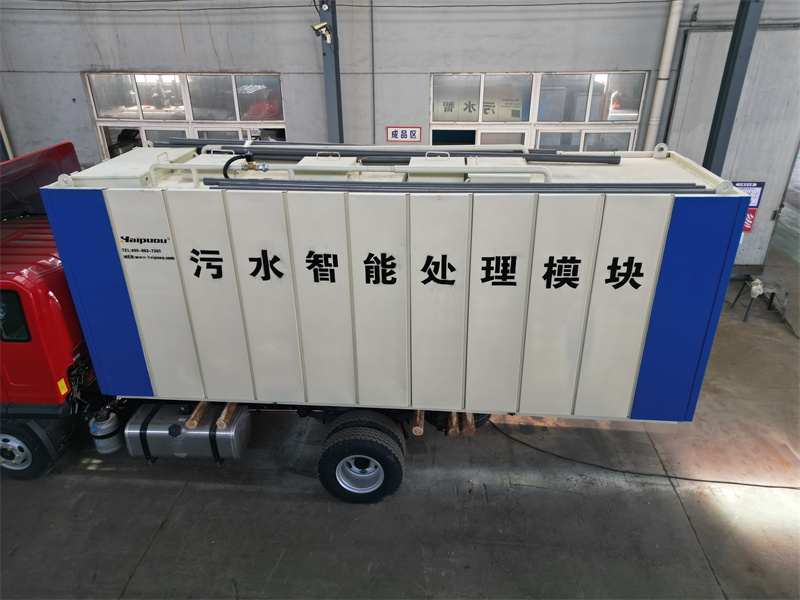
With the rapid expansion of the hotel industry, the volume of sewage discharge keeps rising year by year. The wastewater includes bath water, catering sewage and domestic sewage. If discharged directly without proper treatment, it will not only cause severe damage to the ecological environment, but also result in violations of environmental laws and disrupt normal hotel operations. As core facilities for water purification, the properly selected and stably operated hotel sewage treatment equipment directly determines the treatment effect and operational cost. This article comprehensively analyzes hotel wastewater treatment equipment from the aspects of core demands, equipment types and features, selection criteria, installation & maintenance, and environmental benefits, providing professional support for the green development of the hotel sector.
I. Characteristics of Hotel Sewage and Core Treatment Requirements
Hotel sewage comes from diverse sources with complex compositions and fluctuating water volume. A mixture of oily wastewater from guest rooms, high-COD sewage from catering areas and domestic sewage in public areas contains abundant suspended solids, high concentrations of organic matter and uneven grease content. Substandard discharge will push COD, BOD, ammonia nitrogen and other indicators beyond the legal limits, triggering water eutrophication and soil contamination.
Accordingly, hotel sewage treatment equipment must meet three major requirements. First, high treatment efficiency to cope with peak water flow and guarantee stable qualified effluent. Second, low operating cost including energy consumption, chemical dosage and labor expenditure to fit hotel budgets. Third, compact footprint to adapt to the compact layout of hotel buildings without large-scale reconstruction.
II. Main Types and Technical Features of Hotel Sewage Treatment Equipment
A wide range of sewage treatment equipment is available on the market. Different technologies deliver distinct treatment results and fit different scenarios. The mainstream models are as follows:
1. Integrated Biochemical Treatment Equipment
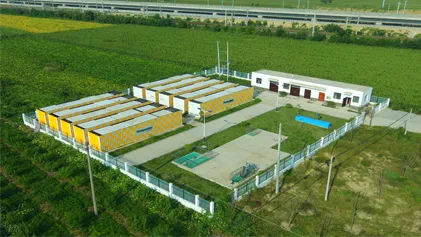
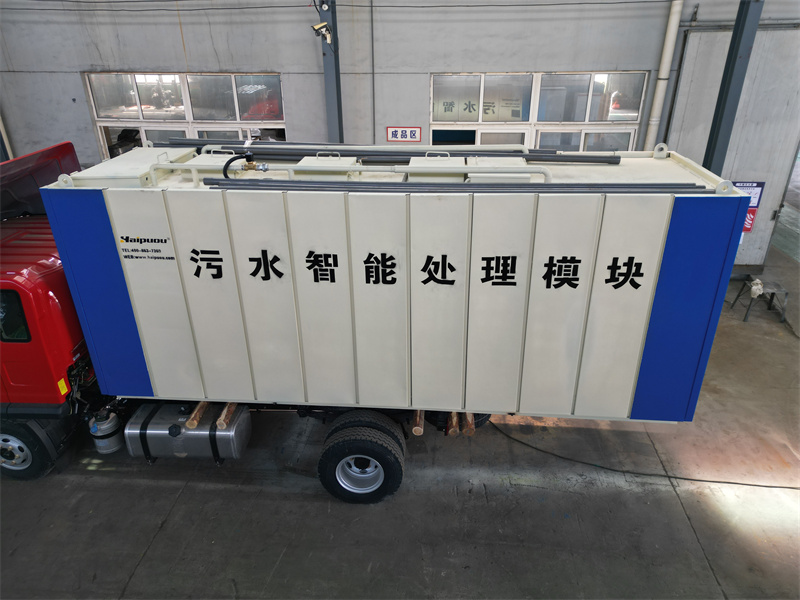
This is the most widely adopted equipment in the hotel industry. It mainly adopts biological treatment processes including anaerobic and aerobic reactions to decompose organic pollutants. The integrated unit consists of bar screens, sedimentation tanks, biochemical reaction tanks and disinfection tanks, featuring small size, high integration and high automation.
Application: Small and medium-sized hotels with daily treatment capacity of 5 to 500 tons. The effluent can meet Grade B or Grade A standards specified in *GB18918-2002 Discharge Standard of Pollutants for Municipal Wastewater Treatment Plants*. Treated water can be reused for greening irrigation and road flushing.
2. MBR Membrane Bioreactor
The MBR combines membrane separation technology with biological treatment. Ultrafiltration or microfiltration membranes replace traditional sedimentation tanks to achieve solid-liquid separation. It produces high-quality effluent close to drinking water standards, occupies less land area and generates little sludge. The whole operation can be automatically controlled without on-site operators.
Application: Mid-to-high-end and star hotels with strict water quality requirements, especially projects with limited land space and water reuse demands.
3. Air Flotation Machine
The air flotation machine injects air into sewage to form tiny bubbles that adsorb suspended particles and oil, which then float upward for separation. It is usually used as pretreatment equipment together with biochemical units. It features fast treatment speed and outstanding performance in treating oily sewage and water with high suspended solids.
Application: Hotels with a large proportion of catering wastewater. It effectively prevents oil blockages in pipelines and ensures high efficiency of subsequent biochemical treatment.
III. Key Criteria for Selecting Hotel Sewage Treatment Equipment
Proper selection determines treatment performance and long-term operational costs. The following factors should be fully considered:
1. Confirm Treatment Capacity and Water Quality Standards
Calculate daily sewage output and peak flow according to the number of guest rooms, beds and catering reception capacity to match the equipment capacity with actual demand. Meanwhile, clarify local environmental discharge standards and select equipment meeting higher requirements to avoid future rectification costs.
2. Take Site and Operating Conditions into Consideration
Hotels with limited land can choose integrated modular equipment to save space. Those with insufficient staff should prioritize highly automatic units to cut labor and maintenance expenses.
3. Evaluate Energy Consumption and Maintenance Costs
Compare power consumption, chemical usage and replacement frequency of wearing parts, and select energy-saving equipment with easy maintenance. Besides, check equipment service life and the supplier’s after-sales service to avoid long-term shutdown caused by breakdowns.
4. Consider the Potential of Water Reuse
If the hotel needs non-potable water for landscaping, car washing and toilet flushing, choose high-efficiency equipment such as MBR reactors to realize water recycling, reduce tap water expenditure and improve environmental benefits.
IV. Installation and Maintenance Specifications for Hotel Sewage Treatment Equipment
Installation and daily maintenance directly affect operational stability and service life. The following rules must be strictly followed:
1. Installation Standards
Install the equipment on flat ground with smooth drainage and reserve enough space for maintenance. All pipelines must be tightly sealed to prevent leakage. Electrical facilities shall be installed in line with safety standards with earthing and overload protection devices to guarantee safe operation.
2. Daily Maintenance Rules
Regularly clean suspended solids and sludge in bar screens and sedimentation tanks to prevent pipeline blockage. Monitor operational indicators including flow rate, pH value and dissolved oxygen every day to ensure qualified effluent. Inspect aeration systems, membrane modules and other core components, and replace damaged spare parts timely. Keep complete operation records for troubleshooting and management.
3. Periodic Overhaul and Upkeep
Carry out a full overhaul 1 to 2 times a year on the main body, pipelines and electrical systems. Conduct regular chemical cleaning for membrane modules to restore filtration capacity. If the equipment will be shut down for a long time, drain all sewage and sludge, and implement anti-corrosion and dust-proof protection.
V. Environmental Value and Industry Significance
Standard application of sewage treatment equipment helps hotels comply with environmental laws and evade fines, while bringing multiple benefits. Firstly, it reduces water pollution and protects aquatic ecosystems. Secondly, water reuse cuts water consumption and supports low-carbon green operation. Thirdly, it improves brand reputation and customer recognition and promotes sustainable industrial development.
With stricter environmental policies and growing public awareness of green consumption, the hotel industry will see rising demand for sewage treatment equipment, which will develop toward intelligence, energy conservation and miniaturization. Selecting suitable equipment and maintaining standardized operation has become a key measure for hotels to strengthen core competitiveness.
Related Products
Related News
- 攀枝花市New Trends in the Development of the MBR Membrane Wastewater Treatment Industry: A Professional Guide to Selecting Source Manufacturers
- 攀枝花市How to Select Wastewater Treatment Equipment for Pig Farms? In-depth Review of Trusted Industry Service Providers
- 攀枝花市Hard-to-Treat Slaughterhouse Wastewater? Tested & Recommended High-Adaptability Wastewater Treatment Solutions for 2026
- 攀枝花市How to Select Integrated Wastewater Treatment Equipment? In-depth Review of Trustworthy Source Manufacturers Recognized by Industry Insiders
- 攀枝花市How to Select Buried Integrated Wastewater Treatment Equipment? Strength Evaluation of Reliable Brands in 2026
- 攀枝花市Inventory of New Coal Mine Water Treatment Technologies! How to Select Cost-Effective Manufacturers & Avoid Common Pitfalls
- 攀枝花市Textile Printing & Dyeing Wastewater Treatment Is Tough? These Four Powerful Enterprises Easily Solve Core Industry Pain Points
- 攀枝花市Authoritative Evaluation of High-Salinity Wastewater Treatment Equipment | Top Recommended Brands of 2026
- 攀枝花市Which Supplier Offers Reliable Integrated Sewage Treatment Equipment? Multi-dimensional Actual Test Comparison & Top Recommended Brands Released
- 攀枝花市Electroplating Factory Wastewater Treatment Engineering Cases
About Us
products
Business
News
Contact Us
Service Hotline:+86-15253659088WhatsApp: +86 18706508001
Email: jly@haipuou.group
Address: No.56, Donghuan Road, Zhucheng City, Weifang City, Shandong Province, China