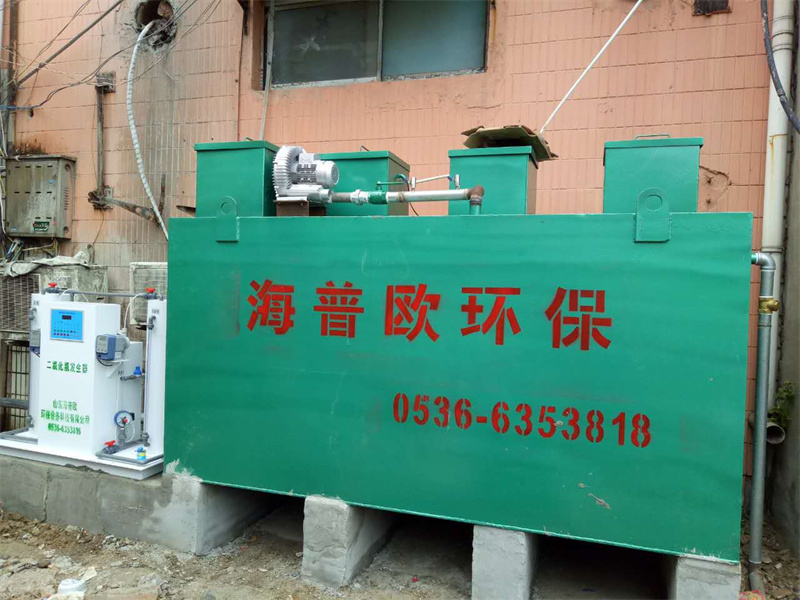
The rapid development of the medical industry has brought about a continuous increase in the discharge of medical wastewater. Such wastewater contains harmful substances including pathogens, chemical reagents and organic matter. Improper disposal will lead to severe water pollution and public health risks. As core equipment in the medical environmental protection system, medical wastewater treatment equipment ensures wastewater discharge meets standards through professional processes. It is essential environmental protection infrastructure for medical institutions, and also a key guarantee for complying with environmental laws and practicing the concept of green healthcare.
I. Characteristics of Medical Wastewater and Urgency of Treatment
Medical wastewater mainly comes from diagnosis, nursing, laboratory testing, pharmaceutical preparation and other links in hospitals, with distinct particularities. It contains complex pollutants: pathogenic microorganisms such as bacteria, viruses and parasite eggs, as well as chemical and physical contaminants including disinfectants, antibiotics, heavy metals and radioactive substances. This highly infectious wastewater will contaminate surface water and groundwater if discharged directly or after simple treatment. It will then endanger human health via drinking water and physical contact, and break the ecological balance.
In accordance with the Standard for Water Pollutant Discharge from Medical Institutions (GB18466-2005), all medical institutions must treat wastewater to meet corresponding discharge limits before releasing it. General hospitals, specialized hospitals, clinics, physical examination centers and other small-scale medical facilities are all required to install qualified medical wastewater treatment equipment. This is not only a rigid supervision requirement from environmental protection authorities, but also a basic prerequisite for the sustainable operation of medical organizations.
II. Main Types and Working Principles of Medical Wastewater Treatment Equipment
Medical wastewater treatment equipment can be classified into multiple types according to treatment scale and process complexity. Different models fit various medical scenarios, with the core mechanism centered on two key links: purification and disinfection.
(1) Small Integrated Medical Wastewater Treatment Equipment
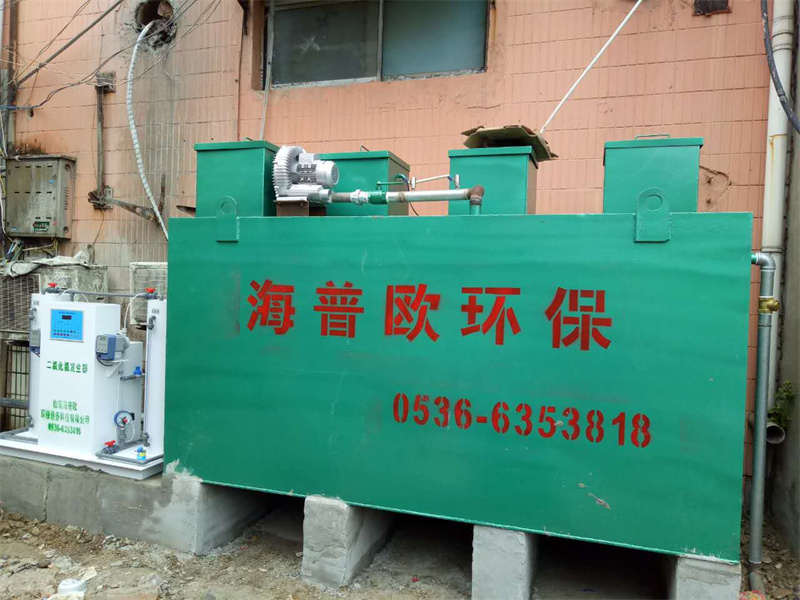
This type is designed for small clinics, community hospitals, dental clinics and other sites with low wastewater output (daily capacity: 0.5-50m³). It features compact size, easy installation and high automation.
Working Principle: Combined process of "pretreatment + biochemical treatment + advanced disinfection". The pretreatment stage removes suspended solids via bar screens and sedimentation tanks; the biochemical stage adopts biofilm or activated sludge processes to decompose organics; advanced disinfection adopts UV, chlorine dioxide and other technologies to kill pathogenic bacteria so that effluent meets discharge standards.
(2) Medium-sized Modular Medical Wastewater Treatment Equipment
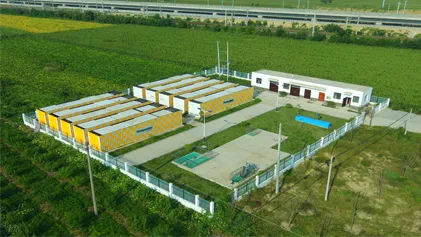
Suitable for county-level hospitals and specialized hospitals with daily treatment capacity of 50-500m³. The modular structure can be flexibly combined to adapt to variable water quality and water volume.
Working Principle: Core process of "MBR membrane bioreactor + disinfection system". The MBR membrane integrates biochemical reaction and solid-liquid separation, trapping microorganisms in activated sludge to improve organic pollutant degradation efficiency. Ozone or sodium hypochlorite disinfection is applied afterwards to ensure pathogen removal meets standards while lowering residual chemical agents.
(3) Large Centralized Medical Wastewater Treatment Equipment
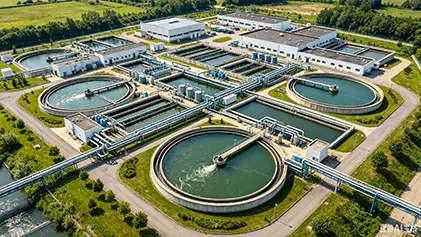
Applied in Grade A tertiary hospitals and medical parks with daily capacity over 500m³. The treatment flow needs customized design according to wastewater quality.
Working Principle: Multi-stage process: "pretreatment + anaerobic/aerobic biochemical treatment + advanced purification + disinfection". Equalization tanks and oil separators are added in pretreatment to cope with fluctuating water quality. A/O and A²/O processes are used in biochemical treatment to efficiently remove ammonia nitrogen, total phosphorus and other pollutants. Filtration and adsorption are adopted for advanced purification to reduce suspended solids and COD in effluent. The dual disinfection system combining UV and chlorine dioxide guarantees fully qualified discharge.
III. Core Technical Advantages
(1) Integrated High-efficiency Disinfection Technologies
The equipment combines multiple disinfection methods. UV disinfection features rapid sterilization without chemical residues, while chlorine dioxide works well for wastewater with high concentrations of pathogens. The dual disinfection mode adapts to diverse working conditions and achieves a sterilization rate above 99.9%, complying with medical wastewater disinfection criteria.
(2) Intelligent Automatic Control System
Equipped with a PLC intelligent control system, it monitors real-time parameters such as wastewater flow, pH value and residual chlorine, and automatically adjusts equipment operation. Remote monitoring and fault alarm functions cut labor costs and enhance operational stability and treatment efficiency.
(3) Energy-saving and Eco-friendly Design
High-efficiency aerators and energy-saving motors reduce power consumption. Bio-carrier technology boosts microbial activity in biochemical treatment and lowers chemical dosage. Partial equipment realizes sludge volume reduction to cut solid waste disposal costs, in line with green development concepts.
(4) Strong Anti-shock Loading Capacity
Considering the dramatic fluctuation in water quality and volume of medical wastewater, equalization tanks and buffer systems are installed to handle peak sewage discharge during consultation hours. Stable effluent quality is guaranteed without substandard treatment caused by water fluctuation.
IV. Key Factors for Equipment Selection
(1) Confirm Wastewater Quality and Discharge Standards
First test pollutant indicators including pathogen concentration, chemical agent content and heavy metal content. Combine local environmental regulations and GB18466-2005 to confirm Grade A, Grade B or other discharge standards, then select matching treatment processes.
(2) Match the Treatment Capacity
Select equipment model based on the daily sewage output of medical institutions. Integrated units fit small clinics, while modular or centralized systems are required for large hospitals. A 10%-20% capacity margin shall be reserved to accommodate business expansion and increased wastewater volume in the future.
(3) Prioritize Operational Stability and Easy Maintenance
Choose products from reputable manufacturers with mature technologies and complete quality certification and environmental testing. Pay attention to maintenance difficulty; pick models with easy disassembly, cleaning and part replacement to lower long-term operating costs.
(4) Consider Installation and Site Conditions
Select installation modes (above-ground or underground buried) according to available space and terrain. Integrated equipment requires little civil work and is ideal for sites with limited land. Centralized systems need advance planning for civil construction and pipeline layout to ensure normal operation.
V. Installation and Daily Maintenance Guidelines
(1) Standard Installation Procedures
Installation must be carried out by professional technicians. Complete pipeline connection, circuit commissioning and equipment fixation strictly in accordance with the manufacturer’s manual. Water tightness test shall be conducted after installation to check for leakage and mechanical faults.
(2) Core Daily Maintenance Items
Regularly clean suspended solids and sediment in bar screens and sedimentation tanks to avoid pipeline blockage and efficiency loss.
Monitor the operation of disinfection systems, replace UV lamps and replenish disinfectants on time to guarantee sterilization results.
Inspect water pumps, blowers and other power equipment regularly, add lubricating oil and remove dust to extend service life.
Record operating parameters (flow rate, pH, residual chlorine, etc.) and build maintenance files for troubleshooting and overhaul.
Carry out a comprehensive overhaul 1 to 2 times every year, maintain or replace core components such as biochemical systems and membrane modules to secure long-term stable operation.
VI. Industrial Standards and Compliance Requirements
The production and application of medical wastewater treatment equipment must comply with national industrial standards. Apart from GB18466-2005, it shall also meet the Water Pollution Prevention and Control Law and Medical Waste Management Regulations.
Products shall pass environmental product certification, ISO quality management system certification and other inspections to guarantee stable treatment performance. After procurement, medical institutions need to complete filing with local environmental protection departments and accept periodic effluent testing to avoid penalties for illegal discharge.
VII. Development Trends of Medical Wastewater Treatment Equipment
With stricter environmental regulations and upgraded medical services, medical wastewater treatment equipment is developing toward intelligence, high efficiency and low carbon. In the future, IoT technology will be widely adopted to realize full-process intelligent monitoring and data analysis for higher operation efficiency. New membrane technologies and advanced oxidation processes will improve pollutant removal rate and cut treatment costs. Meanwhile, more energy-saving and resource-recycling equipment will promote the green and sustainable development of the healthcare industry.
Medical wastewater treatment equipment is essential for medical institutions to achieve environmental compliance and safeguard public health. Equipment selection, installation and maintenance directly determine treatment effects and compliance status. Medical organizations should select qualified professional equipment and strengthen daily management to ensure up-to-standard discharge. If you need customized solutions for medical wastewater treatment equipment, or want to learn about technical parameters and quotations of different models, feel free to contact our technical team for one-on-one professional consultation.






 EN
EN RU
RU ES
ES DE
DE EL
EL IT
IT JA
JA KO
KO PT
PT ID
ID SR
SR UK
UK VI
VI TH
TH TR
TR MS
MS BE
BE AR
AR