


- Home
- About Us
About Us
- Product
Product
- Cases
Cases
- R&D Technology
- News
News
- Contact Us


- Default Language
 EN
EN RU
RU ES
ES DE
DE EL
EL IT
IT JA
JA KO
KO PT
PT ID
ID SR
SR UK
UK VI
VI TH
TH TR
TR MS
MS BE
BE AR
AR
西藏Comprehensive Analysis of Wastewater Treatment Technical Systems & Industrial Development: Standards, Processes and Innovative Practices
Date:July 13, 2025ID: 2284Views: 1020
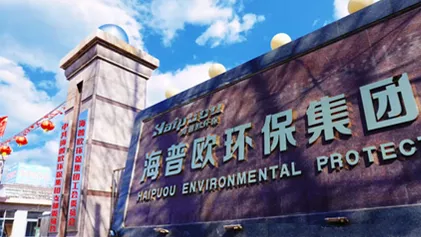
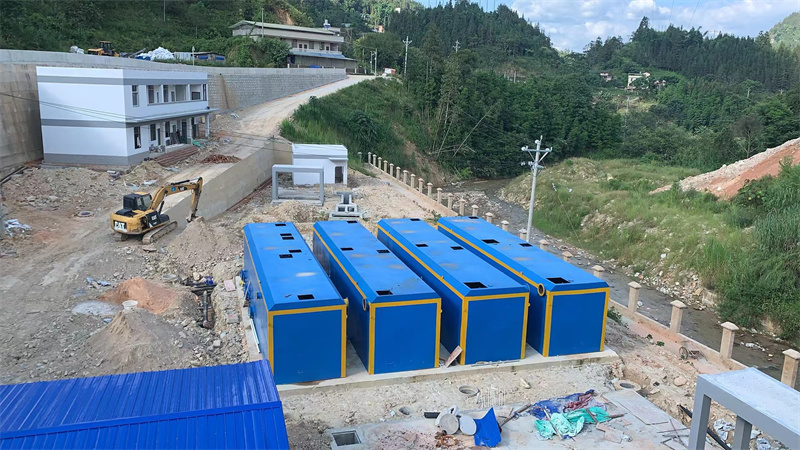
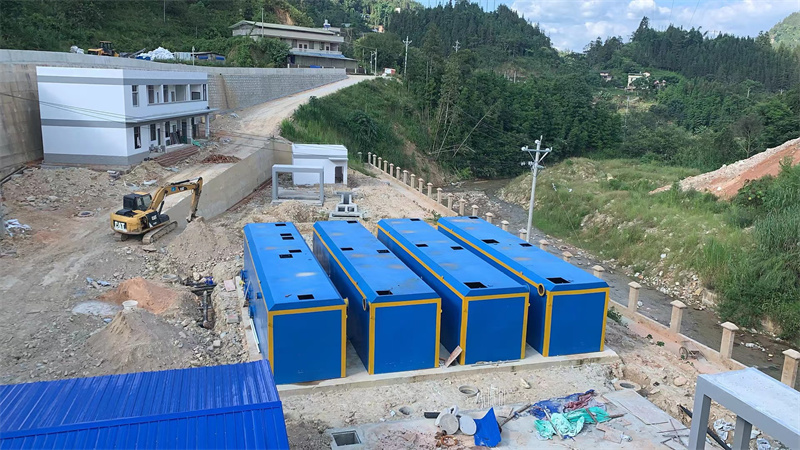
Haipuou Environmental Protection Group Co., Ltd. specializes in the construction of wastewater treatment projects, as well as the manufacturing and sales of water treatment equipment. Our core products cover integrated wastewater treatment equipment, high-efficiency cyclone purifiers, magnetic separation wastewater treatment systems, prefabricated wastewater treatment plants, smart water management platforms, sludge thickening equipment and DAF (dissolved air flotation) machines.
I. Industrial Value & Core Mission of Wastewater Treatment
Water is the source of life, while water pollution caused by sewage discharge has become a critical bottleneck restricting sustainable ecological development. As the core link of water pollution control, wastewater treatment adopts physical, chemical, biological and other multi-process technologies to eliminate pollutants generated from industrial production and daily life, such as suspended solids, organic matter and heavy metals. Treated effluent can meet discharge or reuse standards, balancing the ecological stability of water resources and supplying recycled water for industrial circulation, urban green irrigation and other scenarios. Driven by the Dual Carbon goals and stricter environmental policies, the wastewater treatment industry has shifted from passive pollution abatement to proactive pollution and carbon reduction, evolving into a pillar industry for ecological civilization construction.
II. Core Technical System & Process Analysis of Wastewater Treatment
(1) Three Main Categories of Treatment Technologies
1. Biochemical Methods: Centered on microbial metabolism, including activated sludge process, biofilm process and hybrid biological processes, suitable for wastewater with high organic concentration. Among them, Beikong Rapid Granule Technology independently developed by Beikong Water Service is based on Aerobic Granular Sludge (AGS). Tailored to domestic wastewater featuring low C/N ratio, it realizes rapid sludge cultivation and long-term stable operation, cutting energy consumption by over 20% and floor space by 50%, acting as a typical example of new quality productivity empowering the water industry.
2. Physicochemical Methods: Purify wastewater via physical separation and chemical reactions, covering granular filtration, activated carbon adsorption, chemical precipitation, membrane filtration and separation. Micro-electrolysis (internal electrolysis) serves as an ideal process for high-concentration organic wastewater. It forms micro electric fields through potential difference between iron filings and charcoal to generate nascent hydrogen and Fe²⁺, which efficiently degrade refractory organics such as azo and nitro compounds, while removing heavy metals and recovering phosphorus. It is widely applied in printing & dyeing, chemical and electroplating industries.
3. Natural Treatment Methods: Rely on the self-purification capacity of ecosystems, including stabilization ponds, oxidation ditches and constructed wetlands. Applicable for low-concentration wastewater treatment or advanced polishing, with advantages of low cost and eco-friendliness.
(2) Full Three-Stage Treatment Process
Wastewater adopts staged treatment modes according to effluent quality targets, with core procedures as follows:
• Primary Treatment (Physical Treatment): Mechanical means such as bar screens, sedimentation and DAF remove large impurities including stones, sand and grease to reduce load for subsequent processes, serving as pretreatment.
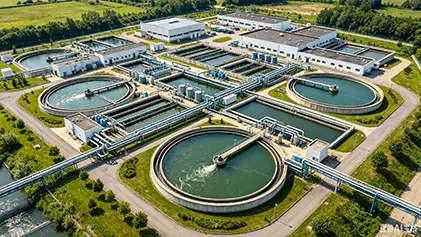
• Secondary Treatment (Biological Treatment): The core purification stage. Microbes decompose organic matter, ammonia nitrogen and other pollutants into sludge to greatly improve water quality, which is the mainstream process for municipal wastewater treatment plants.
• Tertiary Treatment (Advanced Treatment): For strict discharge or reuse requirements, technologies including nitrogen & phosphorus removal, activated carbon adsorption and disinfection (chlorination, UV, ozone) eliminate residual contaminants and pathogens. Treated water can be reused for industrial production, municipal greening and other fields.
III. Industrial Standards & Latest Policy Requirements for Wastewater Treatment
(1) Updated Core Discharge Standards
In January 2026, the Ministry of Ecology and Environment and State Administration for Market Regulation jointly released four key standards, imposing new requirements on the wastewater treatment industry:
1. Amendment to GB 18918—2002 Discharge Standard of Pollutants for Municipal Wastewater Treatment Plant: Adds transient limit values for COD, ammonia nitrogen, total nitrogen and total phosphorus, adjusts limit types of pH, chroma and fecal coliform, and formulates differentiated control standards based on effluent discharge destinations to avoid excessive disinfection harming aquatic ecological safety.
2. Special Industrial Standards: GB 46817—2025 Discharge Standard of Water Pollutants for Food Processing Industry, GB 13457—2025 Discharge Standard of Water Pollutants for Slaughtering & Meat Processing Industry, GB 19821—2025 Discharge Standard of Water Pollutants for Alcohol Manufacturing Industry. They strengthen control over characteristic pollutants, optimize benchmark water discharge per unit product, and boost coordinated pollution and carbon reduction across industries.
(2) Mandatory Requirements for Sludge Treatment
Primary sedimentation sludge, excess activated sludge and other byproducts generated during wastewater treatment contain massive organic matter and pathogens. Improper disposal will trigger secondary pollution. Standards stipulate that sludge must undergo volume reduction, mass reduction, stabilization and harmless treatment before proper disposal, ensuring full-chain environmental compliance of wastewater treatment.
IV. Typical Application Cases & Practical Technology Implementation
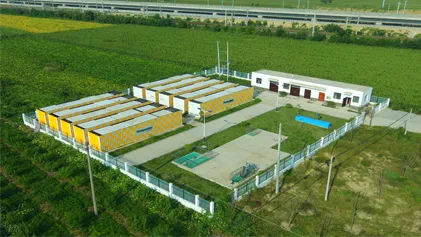
Sanshui Southern Industrial Park Wastewater Treatment Plant of Foshan operated by Beikong Water Service stands as a benchmark project for wastewater technological innovation, with a designed daily treatment capacity of 50,000 m³, handling 70% industrial wastewater and 30% domestic sewage. The project adopts Beikong Rapid Granule Technology and modular prefabricated plant design, with a single system processing 8,000 m³ per day in stable long-term operation. It achieves high-standard removal of COD, ammonia nitrogen and other indicators, cuts construction period by two-thirds and reduces investment by over 20%, verifying the feasibility and economic benefits of new technologies for industrial park wastewater treatment.
For high-concentration organic wastewater treatment, micro-electrolysis technology has been successfully applied to decolorization of printing & dyeing wastewater, COD degradation of chemical wastewater and heavy metal removal of electroplating wastewater. Through synergistic redox, adsorption and flocculation, it significantly lifts the B/C ratio of wastewater to lay a solid foundation for subsequent biological treatment, with operating cost per ton of water only 60%-80% of traditional processes.
V. Development Trends & Future Directions of Wastewater Treatment Industry
1. Intelligent Technology: Integrate IoT and big data to realize real-time monitoring and intelligent regulation of the whole treatment process, improving processing efficiency and stability.
2. Resource Recycling: Transform from simple pollution treatment to circular resource utilization, recover nitrogen, phosphorus, heat and water resources from sewage to build a closed loop of "wastewater-reclaimed water-resources".
3. Low-Carbon Development: Popularize low-energy-consumption processes and new energy applications to lower carbon footprint of wastewater plants and support the delivery of Dual Carbon targets.
4. Stricter Standards: Comprehensive control of characteristic pollutants and optimized indirect discharge requirements will drive high-quality industrial upgrading.
Conclusion
Wastewater treatment serves as the core defense line safeguarding water resource security. Its technological innovation and standard improvement directly coordinate ecological protection and socio-economic development. Empowered by new quality productivity, the wastewater treatment industry is advancing toward high efficiency, low carbon and resource circulation, providing solid support for building a beautiful China. Enterprises and relevant institutions shall follow policy guidance, increase investment in R&D, upgrade wastewater treatment processes and innovate operation modes, and jointly build a sustainable water environment governance system.
Prev: Spring ushers in a brand-new journey for great glory. Haipuou EP Group wishes you good fortune, luck, wellness and happy family this Bingwu Horse Year!Next: 2026 Wastewater Equipment Agency Program – Lucrative Green Industry Track. Factory Direct Supply & All-Round Empowerment, Tap the Trillion-Yuan Water Treatment Market Hand in Hand.
Related Products
Related News
- 西藏New Trends in the Development of the MBR Membrane Wastewater Treatment Industry: A Professional Guide to Selecting Source Manufacturers
- 西藏How to Select Wastewater Treatment Equipment for Pig Farms? In-depth Review of Trusted Industry Service Providers
- 西藏Hard-to-Treat Slaughterhouse Wastewater? Tested & Recommended High-Adaptability Wastewater Treatment Solutions for 2026
- 西藏How to Select Integrated Wastewater Treatment Equipment? In-depth Review of Trustworthy Source Manufacturers Recognized by Industry Insiders
- 西藏How to Select Buried Integrated Wastewater Treatment Equipment? Strength Evaluation of Reliable Brands in 2026
- 西藏Inventory of New Coal Mine Water Treatment Technologies! How to Select Cost-Effective Manufacturers & Avoid Common Pitfalls
- 西藏Textile Printing & Dyeing Wastewater Treatment Is Tough? These Four Powerful Enterprises Easily Solve Core Industry Pain Points
- 西藏Authoritative Evaluation of High-Salinity Wastewater Treatment Equipment | Top Recommended Brands of 2026
- 西藏Which Supplier Offers Reliable Integrated Sewage Treatment Equipment? Multi-dimensional Actual Test Comparison & Top Recommended Brands Released
- 西藏Electroplating Factory Wastewater Treatment Engineering Cases
About Us
products
Business
News
Contact Us
Service Hotline:+86-15253659088WhatsApp: +86 18706508001
Email: jly@haipuou.group
Address: No.56, Donghuan Road, Zhucheng City, Weifang City, Shandong Province, China