


- Home
- About Us
About Us
- Product
Product
- Cases
Cases
- R&D Technology
- News
News
- Contact Us


- Default Language
 EN
EN RU
RU ES
ES DE
DE EL
EL IT
IT JA
JA KO
KO PT
PT ID
ID SR
SR UK
UK VI
VI TH
TH TR
TR MS
MS BE
BE AR
AR
资阳地区Comprehensive Guide to Heavy Metal Wastewater Treatment Equipment: Principles, Selection, Application and Technology Upgrading
Date:July 13, 2025ID: 2211Views: 1107
Haipuou Environmental Protection Group Co., Ltd. specializes in the construction of sewage treatment projects and the production and sales of water treatment equipment. The main products include integrated sewage treatment equipment, high-efficiency cyclone purifiers, magnetic separation sewage treatment equipment, prefabricated sewage treatment plants, smart water management platforms, sludge thickening equipment, air flotation equipment and so on.
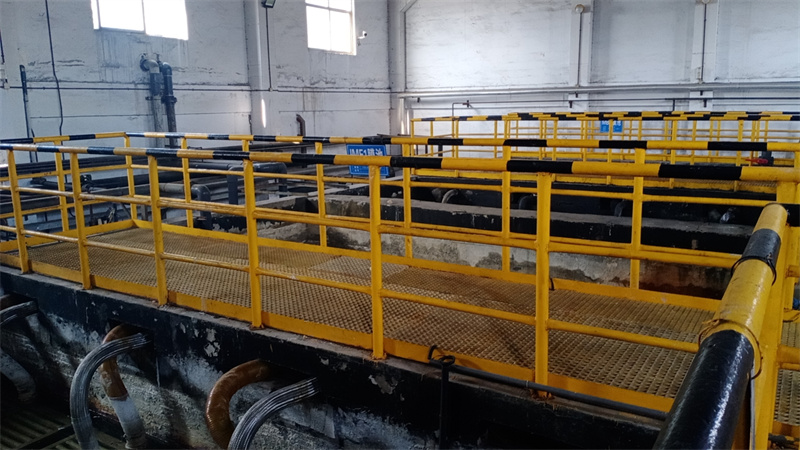
With the rapid expansion of industrial production, heavy metal wastewater discharged from electroplating, metallurgy, chemical engineering, mining and other industries has become one of the major sources of water pollution. Heavy metals including lead, cadmium, mercury, chromium and nickel are highly toxic, non-biodegradable and prone to bioaccumulation. Once they flow into natural water bodies, they will not only break the ecological balance, but also harm human health through the food chain. As core equipment to ensure industrial wastewater meets discharge standards, heavy metal wastewater treatment equipment with advanced technology and stable operation plays a vital role in helping enterprises meet environmental regulations and safeguarding ecological safety. This article comprehensively explores the core value and practical application of heavy metal wastewater treatment equipment from the perspectives of technical principles, equipment types, selection criteria, application scenarios and development trends.
I. Current Situation of Heavy Metal Pollution and the Urgency of Wastewater Treatment
Industrial wastewater discharge constitutes the primary source of heavy metal pollution. Statistics show that China’s industrial sectors discharge over 100 million tons of heavy metal wastewater annually, among which the electroplating industry accounts for 35%, metallurgy 28% and chemical industry 19%. The concentration of heavy metal ions in such wastewater far exceeds the limits stipulated in the Integrated Wastewater Discharge Standard (GB 8978-1996). Direct discharge without effective treatment will lead to soil acidification and groundwater contamination, further triggering severe health hazards such as nervous system damage and organ lesions in humans.
As environmental regulations grow increasingly stringent, the 14th Five-Year Plan for Comprehensive Prevention and Control of Heavy Metal Pollution requires key industries to cut total heavy metal pollutant emissions by more than 5% compared with the 2020 level. Environmental authorities nationwide have also intensified penalties for excessive discharge. Under such circumstances, deploying high-efficiency and stable heavy metal wastewater treatment equipment has become essential for enterprises to achieve environmental compliance and sustainable development.
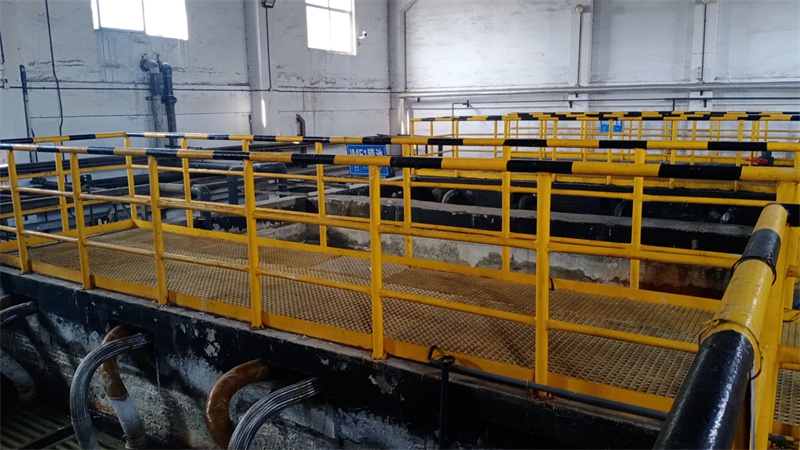
II. Core Working Principles of Heavy Metal Wastewater Treatment Equipment
The core principle of heavy metal wastewater treatment equipment is to separate and convert heavy metal ions in wastewater into harmless substances through physical, chemical or biological methods so as to purify water quality. There are three mainstream technical principles as follows:
1. Chemical Precipitation
Chemical agents such as lime, sodium hydroxide and sodium sulfide are added to wastewater to react with heavy metal ions and form water-insoluble precipitates including hydroxides and sulfides. The equipment separates precipitates from water via mixing, reaction precipitation and solid-liquid separation to remove heavy metals. This method is suitable for high-concentration heavy metal wastewater with a removal efficiency above 95%, making it one of the most widely adopted technologies at present.
2. Adsorption and Separation
Adsorbents such as activated carbon, zeolite, ion exchange resin and chelating resin feature large specific surface areas and special functional groups to selectively adsorb heavy metal ions in wastewater. Wastewater makes full contact with adsorbents inside adsorption columns and filters, heavy metal ions are captured, and purified water is discharged up to standard. Adsorbents can be regenerated and reused to cut operating costs, so this process is ideal for treating wastewater with medium and low heavy metal concentrations.
3. Membrane Separation
Relying on the selective permeability of membranes, water molecules pass through membrane pores under pressure while heavy metal ions are intercepted. Common membrane separation technologies include ultrafiltration, nanofiltration and reverse osmosis. Reverse osmosis membranes can remove over 99.9% of heavy metal ions. This technology delivers excellent effluent quality and supports water recycling, yet it has strict requirements for influent quality and must be matched with pretreatment equipment.
III. Main Types and Characteristics of Heavy Metal Wastewater Treatment Equipment
Based on working principles and application scenarios, heavy metal wastewater treatment equipment on the market is mainly divided into five categories with respective applicable scenarios and technical merits:
1. Chemical Precipitation Wastewater Treatment Equipment
Core components: regulating tank, reaction tank, flocculation tank, sedimentation tank, filter press, etc.
Technical features: large treatment capacity, low investment cost and simple operation; capable of treating wastewater mixed with multiple heavy metal ions.
Applicable scenarios: pretreatment or advanced treatment of high-concentration heavy metal wastewater from electroplating, metallurgy, mining and other industries. It can remove common heavy metals such as lead and zinc with a stable removal rate of 90%-98%.
2. Ion Exchange Heavy Metal Treatment Equipment
Core components: ion exchange column, regeneration system, filtering device, control system, etc.
Technical features: high selectivity and high treatment precision; heavy metal ion concentration can be reduced below 0.1mg/L, and adsorbents can be regenerated for repeated use.
Applicable scenarios: advanced treatment of medium and low-concentration heavy metal wastewater from electronics and chemical industries, especially wastewater containing chromium, nickel and other special heavy metal ions.
3. Membrane Separation Wastewater Treatment Equipment
Core components: pre-filter, membrane module (nanofiltration/reverse osmosis membrane), high-pressure pump, cleaning system, etc.
Technical features: premium effluent quality for direct reuse, no secondary pollution and high automation.
Applicable scenarios: industrial wastewater treatment and reuse in water-scarce areas, preparation of high-purity process water; suitable for electronics and pharmaceutical industries with strict water quality requirements.
4. Adsorption Heavy Metal Treatment Equipment
Core components: adsorption reaction tank, activated carbon/zeolite packing layer, filter device, backwashing system, etc.
Technical features: compact size, low energy consumption and easy maintenance, fit for small-scale wastewater treatment projects.
Applicable scenarios: low-concentration heavy metal wastewater treatment for small and medium-sized enterprises, advanced purification of tail water from sewage plants; effective removal of hard-to-treat heavy metals such as mercury and arsenic.
5. Electrolysis Heavy Metal Treatment Equipment
Core components: electrolytic cell, electrode plates, power supply system, solid-liquid separation device, etc.
Technical features: no chemical dosing required; heavy metals including copper and nickel can be recycled, bringing both environmental and economic benefits.
Applicable scenarios: treatment of wastewater containing precious metal ions from electroplating industry, realizing both resource recovery and water purification.
IV. Key Factors for Selecting Heavy Metal Wastewater Treatment Equipment
Enterprises need to comprehensively evaluate wastewater characteristics, environmental requirements and operating costs when choosing equipment, so as to avoid poor treatment results or resource waste caused by blind selection:
1. Wastewater Quality and Pollutant Properties
Clarify the types of heavy metal ions (single or mixed heavy metals), concentration range, as well as pH value, suspended solids and coexisting pollutants such as organic matter and chloride ions.
Choose chemical precipitation equipment preferentially for high-concentration mixed heavy metal wastewater; ion exchange or adsorption equipment is recommended for medium and low-concentration wastewater with a single type of heavy metal.
2. Environmental Discharge Standard Requirements
Determine treatment precision in accordance with local discharge standards including GB 8978-1996 and industry-specific standards.
If wastewater reuse is required, select advanced treatment equipment such as membrane separation units to guarantee effluent meets process water standards.
3. Treatment Capacity and Operating Costs
Select equipment with matching capacity based on daily wastewater output to prevent overload or idling.
Comprehensively evaluate equipment investment, energy consumption, chemical dosage and maintenance expenditure, and prioritize high-cost and energy-saving models.
4. Land Occupation and Automation Needs
Modular compact equipment such as integrated heavy metal wastewater treatment units is available for enterprises with limited factory space.
Large enterprises or continuous production lines can adopt highly automated equipment with PLC control systems for unattended operation.
V. Application Cases of Heavy Metal Wastewater Treatment Equipment
1. Application in the Electroplating Industry
A large electroplating enterprise generates 800 cubic meters of nickel and chromium-containing wastewater every day and adopts combined equipment with chemical precipitation plus ion exchange. Chemical precipitation removes more than 90% of heavy metal ions at the front end, and ion exchange resin carries out advanced treatment afterwards. The nickel ion concentration in effluent is ≤0.05mg/L and chromium ≤0.01mg/L, far exceeding discharge standards. Part of the treated water is reused for workpiece cleaning, cutting water expenditure by 300,000 yuan per year.
2. Application in the Mining Industry
Wastewater from a lead-zinc mine contains high levels of lead, cadmium and plenty of suspended solids. The enterprise adopts integrated chemical precipitation equipment. After adding lime milk and sodium sulfide, lead and cadmium form sulfide precipitates, which are separated via sedimentation tanks and filter presses. Heavy metal levels in effluent meet discharge requirements, and precipitates are disposed of harmlessly without secondary pollution.
3. Application in the Chemical Industry
A chemical plant produces wastewater containing hard-to-treat heavy metals such as mercury and arsenic, and it adopts combined adsorption and membrane separation equipment. Modified activated carbon removes most mercury and arsenic ions, then reverse osmosis membranes further purify the water to meet circulating water reuse standards. The plant achieves zero liquid discharge, complying with environmental policies and lowering water consumption.
VI. Technological Development Trends of Heavy Metal Wastewater Treatment Equipment
1. Modular and Integrated Design
Future heavy metal wastewater treatment equipment will focus more on modular integration, standardized and serialized production to shorten installation cycles and cut investment costs. Integrated units combine pretreatment, reaction, separation and advanced treatment into one set, which is ideal for small and medium-sized enterprises and sites with limited land.
2. High Efficiency and Resource Recovery
R&D will focus on improving heavy metal removal efficiency by developing new high-performance adsorbents, membrane materials and chemicals to capture low-concentration heavy metals effectively. Meanwhile, resource recovery will be enhanced to recycle precious metals including copper, nickel and gold from wastewater and raise economic benefits.
3. Intelligent and Low-carbon Upgrading
Equipment will be equipped with IoT and big data technology. Sensors monitor water quality and operating conditions in real time to realize automatic regulation and fault early warning. Equipment structure will be optimized to reduce energy and chemical consumption, limit secondary pollution and advance green environmental technology.
Conclusion
Heavy metal wastewater treatment equipment is core infrastructure for industrial enterprises to resolve environmental problems and achieve compliant production. Its technical level and practical effect are closely linked to ecological safety and long-term corporate development. Enterprises should select and configure equipment rationally according to wastewater characteristics, environmental requirements and budget. As environmental policies tighten and technologies keep innovating, heavy metal wastewater treatment equipment will develop toward modularity, high efficiency, resource recovery and intelligence, delivering higher-quality and more cost-effective solutions for industrial wastewater treatment.
Prev: Comprehensive Guide to Medium-sized Sewage Treatment Equipment: Selection, Application and Operation & Maintenance — Efficient Solutions for Reaching Sewage Discharge StandardsNext: Comprehensive Analysis of Professional Sewage Treatment Equipment: Selection, Application and Technical Upgrading
Related Products
Related News
- 资阳地区New Trends in the Development of the MBR Membrane Wastewater Treatment Industry: A Professional Guide to Selecting Source Manufacturers
- 资阳地区How to Select Wastewater Treatment Equipment for Pig Farms? In-depth Review of Trusted Industry Service Providers
- 资阳地区Hard-to-Treat Slaughterhouse Wastewater? Tested & Recommended High-Adaptability Wastewater Treatment Solutions for 2026
- 资阳地区How to Select Integrated Wastewater Treatment Equipment? In-depth Review of Trustworthy Source Manufacturers Recognized by Industry Insiders
- 资阳地区How to Select Buried Integrated Wastewater Treatment Equipment? Strength Evaluation of Reliable Brands in 2026
- 资阳地区Inventory of New Coal Mine Water Treatment Technologies! How to Select Cost-Effective Manufacturers & Avoid Common Pitfalls
- 资阳地区Textile Printing & Dyeing Wastewater Treatment Is Tough? These Four Powerful Enterprises Easily Solve Core Industry Pain Points
- 资阳地区Authoritative Evaluation of High-Salinity Wastewater Treatment Equipment | Top Recommended Brands of 2026
- 资阳地区Which Supplier Offers Reliable Integrated Sewage Treatment Equipment? Multi-dimensional Actual Test Comparison & Top Recommended Brands Released
- 资阳地区Electroplating Factory Wastewater Treatment Engineering Cases
About Us
products
Business
News
Contact Us
Service Hotline:+86-15253659088WhatsApp: +86 18706508001
Email: jly@haipuou.group
Address: No.56, Donghuan Road, Zhucheng City, Weifang City, Shandong Province, China