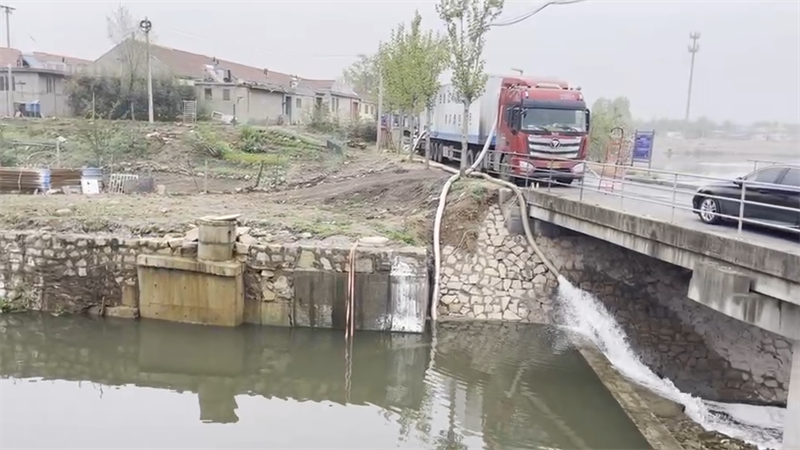
I. With Tighter Policies, Wastewater Treatment Equipment Becomes a Must-have for Enterprises
With the implementation of policies such as the 14th Five-Year Plan for the Development of the Pharmaceutical Industry and the Energy Efficiency Limit Value for Integrated Sewage Treatment Equipment (GB 38383-2025), industrial wastewater discharge standards have been continuously tightened. Wastewater treatment equipment has been upgraded from an "optional environmental protection facility" to core infrastructure for the survival and development of enterprises. Statistics show that traditional equipment has high energy consumption and complicated operation. As a result, enterprises often spend more than 15 RMB on treating each ton of water. In contrast, technically upgraded equipment can cut comprehensive costs by 30%-50%, accelerating the market shift toward high-efficiency intelligent equipment.
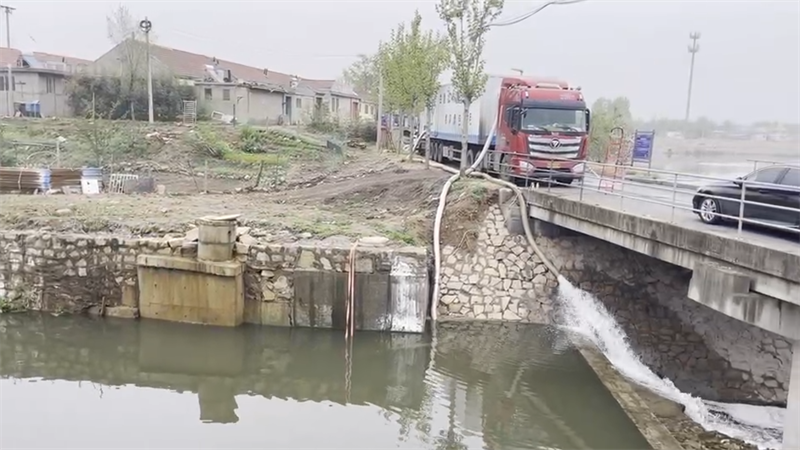
II. Main Types of Wastewater Treatment Equipment and Their Applicable Scenarios
Wastewater quality varies greatly across industries. Accurate equipment selection is the prerequisite for meeting discharge standards while cutting costs:
1. Membrane Separation Equipment
◦Representative technologies: Disc-type ceramic membrane, Vibrating Membrane Bioreactor (MBR)
◦Core advantages: When treating oily wastewater, the disc-type ceramic membrane from Wudun in Chongqing keeps oil content in effluent below 10mg/L and saves 50% more energy than tubular membranes. The vibrating MBR equipment from OriginWater in Beijing reduces power consumption to only 0.3kW·h per ton of water, with total nitrogen in effluent below 10mg/L.
◦Applicable scenarios: Landfill leachate, advanced municipal sewage treatment, high-organic wastewater in pharmaceutical industry.
2. Biological Treatment Equipment
◦Representative technologies: Integrated anoxic-aerobic equipment, high-efficiency denitrification tower
◦Core advantages: The integrated equipment of Ruimeidi reduces floor space by 40% and cuts aeration energy consumption by 30%. The denitrification tower from Suzhou Yiqing maintains an ammonia nitrogen removal rate above 95% for biopharmaceutical wastewater and runs efficiently even in cold winter conditions.
◦Applicable scenarios: Domestic sewage, high-ammonia-nitrogen fermentation wastewater, comprehensive wastewater from chemical industrial parks.
3. Resource Recovery Equipment
◦Representative technologies: Lithium recovery module, solvent rectification system
◦Core advantages: Lithium carbonate with purity higher than 99.5% can be recycled from lithium-containing wastewater of new energy projects, bringing an annual profit of 750,000 RMB. Pharmaceutical plants can recover over 99% of organic solvents, saving more than 160,000 RMB in procurement costs each year.
Applicable scenarios: Lithium battery manufacturing, fine chemical industry, pesticide production.
III. Core Technological Breakthroughs: Reshape the Value of Wastewater Treatment Equipment
Modern wastewater treatment equipment has evolved from simple pollution control to multi-value creation featuring energy conservation and resource recovery. Key technological advances fall into three categories:
1. Low-carbon Process Innovation
•Anammox coupling technology: A water reclamation plant in Tianjin adopted the partial nitrification + Anammox process. The total nitrogen removal rate rose from 75% to 92%, aeration volume was cut by 60%, and power consumption was only 0.21kW·h per ton of water.
•Heat pump energy recovery: Ruimeidi’s low-temperature multi-effect evaporation system coupled with heat pumps reduced power consumption for high-salinity wastewater treatment from 55 kWh/ton to 25 kWh/ton, saving over 180,000 RMB in electricity annually.
2. Intelligent Operation and Maintenance Upgrade
•Digital Twin Prediction: Equipment models built on ANSYS can extend the membrane cleaning cycle to 120 days, achieve a 97% accuracy rate of fault early warning, and cut staffing by 50%.
•AI Precision Control: In a project in Chengdu, deep reinforcement learning algorithms were used to adjust aeration. It saved 28% energy compared with traditional control, and the fluctuation of effluent water quality was reduced by 35%.
3. High-value Resource Recycling
•Phosphorus recovery system: A phosphorus chemical park in Yunnan adopted chemical precipitation and membrane filtration equipment, achieving a 95% phosphorus recovery rate. It produces 1,500 tons of phosphate fertilizer every year with an annual benefit of 3 million RMB.
•Waste gas recycling: The acid absorption system matched with Suzhou Yiqing’s denitrification tower converts ammonia-containing waste gas into industrial-grade ammonium sulfate, realizing dual benefits of pollution treatment and profit generation.
IV. Three Key Principles for Wastewater Treatment Equipment Selection
1. Priority of water quality adaptation: For high-salinity wastewater, select salt-resistant MBR (such as PTFE membrane components). For high-ammonia-nitrogen wastewater, focus on the low-temperature performance and anti-shock capacity of denitrification towers.
2. Full-life cycle cost accounting: Apart from procurement costs, calculate energy consumption (permanent magnet synchronous motors save 15% energy over conventional motors), chemical dosage (intelligent dosing systems reduce chemical usage by 35%) and resource recovery income.
3. Compliance with policies: Select equipment in line with local emission limits. Pharmaceutical enterprises need to comply with Discharge Standard of Water Pollutants for Pharmaceutical Industry, and the combined equipment of "pretreatment + advanced denitrification" is recommended.
V. Practical Case: Cut Costs While Meeting Discharge Standards via Equipment Upgrade
•Salt chemical enterprise: After adopting Ruimeidi’s heat pump coupled evaporation equipment, the treatment cost per ton of water dropped from 22 RMB to 10 RMB, saving over 1.8 million RMB per year. The crystal salt with 99% purity can be recycled.
•Vaccine manufacturer: The denitrification tower from Suzhou Yiqing replaced the traditional air stripping process. Ammonia nitrogen emission was reduced from 50mg/L to below 5mg/L, chemical costs were cut by 50%, and the problem of substandard discharge in winter was completely solved.
•Municipal sewage plant: After putting OriginWater’s vibrating MBR equipment into operation, total nitrogen in effluent can stay below 10mg/L without additional carbon sources. It saves 20% energy and meets the quasi-Class IV surface water standard.
VI. Three Major Development Trends of Wastewater Treatment Equipment in 2025
1. Breakthroughs in material technology: Graphene modified membranes and genetically engineered bacteria will increase equipment flux by 50% and improve low-temperature treatment efficiency by 40%.
2. In-depth customized design for specific scenarios: Rural sewage resource recovery (annual market size: 25 billion RMB) and industrial zero-discharge projects (annual growth rate: 25%) will become the core innovation directions for equipment.
3. Monetization of carbon assets: Carbon reduction calculators can quantify the carbon benefit of equipment and connect with the national carbon trading market. A single set of equipment can generate carbon revenue of hundreds of thousands of RMB every year.
Conclusion
Selecting proper wastewater treatment equipment is the key for enterprises to balance environmental compliance and economic benefits. From process selection to daily operation and maintenance, enterprises should focus on energy conservation, intelligence and resource recycling, and make precise planning according to water quality characteristics and regulatory requirements. In the future, with technological iteration and improvement of carbon trading mechanisms, wastewater treatment equipment will transform from a cost center into a value engine for enterprises’ green transformation.





 EN
EN RU
RU ES
ES DE
DE EL
EL IT
IT JA
JA KO
KO PT
PT ID
ID SR
SR UK
UK VI
VI TH
TH TR
TR MS
MS BE
BE AR
AR