

- Home
- About Us
About Us
- Product
Product
- Cases
Cases
- R&D Technology
- News
News
- Contact Us


- Default Language
 EN
EN RU
RU ES
ES DE
DE EL
EL IT
IT JA
JA KO
KO PT
PT ID
ID SR
SR UK
UK VI
VI TH
TH TR
TR MS
MS BE
BE AR
AR
和田地区Full Analysis of Quotations for Metallurgical Wastewater Treatment Equipment in 2026: Influencing Factors, Application Cases and Model Selection Guide
Date:July 13, 2025ID: 2263Views: 1136
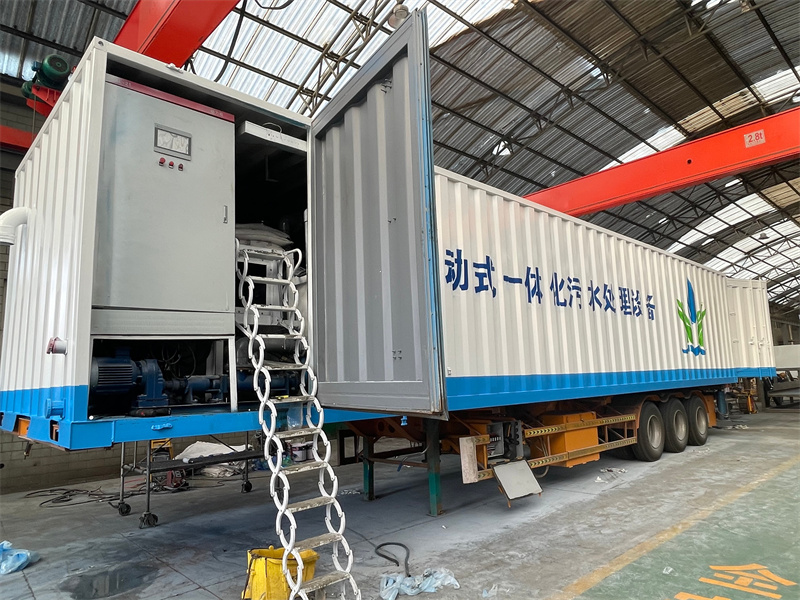
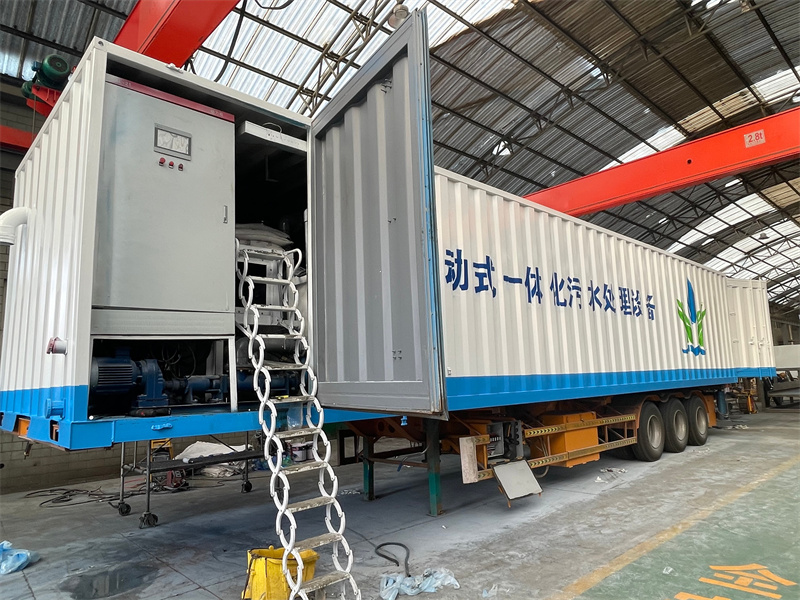
Haipuou Environmental Protection Group Co., Ltd. specializes in the construction of wastewater treatment projects, as well as the production and sales of water treatment equipment.
Our main products include integrated wastewater treatment equipment, high-efficiency cyclone purifiers, magnetic separation wastewater treatment equipment, prefabricated sewage treatment plants, smart water management platforms, sludge thickening equipment, air flotation machines and other products.
I. Core Pricing Logic for Metallurgical Wastewater Treatment Equipment: Why Prices Range From Hundreds of Thousands to Tens of Millions?
Metallurgical wastewater contains heavy metals (Cr⁶⁺, Ni²⁺, etc.), substances with extreme pH values (pH 0.8-12) and refractory organic pollutants. Treatment equipment requires customized process modules, resulting in huge price gaps. Market data for 2026 shows that quotations are mainly affected by four factors: treatment capacity, pollutant concentration, process complexity and intelligent configuration. Coupled with raw material price fluctuations and stricter environmental regulations, the pricing rule is defined as "basic configuration sets the bottom price, while customized requirements set the upper limit".
II. Breakdown of Key Factors Affecting Quotations for Metallurgical Wastewater Treatment Equipment in 2026
1. Treatment Capacity and Water Quality: The Core Benchmark for Pricing
•Small-scale system (≤50 tons/day): Suitable for small mineral processing plants and steel rolling workshops, mostly integrated equipment. Basic treatment for chromium-containing wastewater (neutralization + precipitation) costs 150,000 to 400,000 RMB; if heavy metal recovery is required, an ion exchange module will raise the price to 300,000 to 600,000 RMB.
•Medium-scale system (50-500 tons/day): Designed for medium smelters to treat wastewater from different working sections separately. The "A/O + ozonation" process for coking wastewater (COD 5000mg/L) is priced at 800,000 to 2 million RMB. For non-ferrous metal pickling wastewater containing HF, acid-resistant equipment will push up the cost by 20%-30%.
•Large-scale system (>500 tons/day): Mostly used in integrated iron and steel enterprises with supporting pipe networks and pump stations. A 1000-ton cold rolling wastewater treatment system adopting microbubble ozone + ultrafiltration membrane costs 5 million to 12 million RMB; if equipped with zero liquid discharge modules, the total cost will exceed 20 million RMB.
2. Material and Brand of Core Equipment: The Key to Cost Differences

Prices vary greatly among core component brands: domestic MBR membrane modules cost 80-120 RMB per square meter, while imported ones cost 150-200 RMB per square meter; imported aeration blowers are 2 to 3 times more expensive than domestic alternatives.
3. Process Complexity and Intelligence: Main Hidden Cost Drivers
•Process cost: The design fee for the basic chemical precipitation method ranges from 50,000 to 100,000 RMB, while the composite process of "pretreatment + A²/O + advanced oxidation + membrane separation" costs 200,000 to 500,000 RMB for design alone.
•Intelligent upgrade cost: A complete online monitoring system (for COD, heavy metals and other indicators) costs 30,000 to 80,000 RMB. The PLC automatic control system will raise the total equipment price by 15%-25%, yet cut labor costs for operation and maintenance by 30%.
4. Policies and Geographic Conditions: Variables Affecting Actual Expenditure
•Environmental subsidies: Metallurgical enterprises in the Yangtze River Delta can apply for special subsidies covering 20% of the initial investment if the wastewater reuse rate reaches over 92%. The subsidy ratio for small rural treatment stations can be as high as 50%.
•Regional cost gap: Thermal insulation facilities are required for winter construction in northern China, increasing costs by 15%-20%; hoisting expenses in mountain areas are 30% higher than those in plain regions.
III. Quotation Reference for Typical Metallurgical Wastewater Treatment Projects in 2026

IV. Quotation Risk Prevention: Three Tips to Lock in a Reasonable Budget
1. Reject quotations only for bare equipment: Require suppliers to provide a full-cost list covering equipment, design, installation, commissioning and one-year warranty to avoid extra charges for civil engineering and pipeworks (such hidden costs may push the total budget up by more than 50%).
2. Choose cost-effective domestic configurations: 304 stainless steel equipment can meet the treatment demands of 80% of metallurgical wastewater projects, costing 30%-50% less than imported products. Meanwhile, the service life of domestic membrane modules has reached 3-5 years, narrowing the gap with imported versions.
3. Include operation expenses in the budget: Select integrated service providers offering "equipment + operation & maintenance" packages. The annual O&M cost of a 100-ton/day system can be controlled within 80,000 to 150,000 RMB (including chemicals, power consumption and repairs), cutting long-term spending by 20% compared with separate equipment procurement.
V. Practical Case: Verify the Rationality of Quotations
Case: A 200-ton/day wastewater treatment project for a lead-zinc smelter in Southwest China
•Initial quotation trap: One supplier first quoted 750,000 RMB (equipment only), excluding acid-resistant pipelines and environmental acceptance fees; the final cost rose to 1.4 million RMB after adding extra items.
•Optimized solution: Select a supplier with full-cost quotation. The process of "graded neutralization + flocculation + ultrafiltration membrane" with 316L stainless steel equipment cost 1.1 million RMB in total, including one-year O&M and environmental acceptance services. The lead concentration in effluent was below 0.2mg/L with a 60% water reuse rate, saving 300,000 RMB on water fees every year.
Conclusion
There is no universal fixed price for metallurgical wastewater treatment equipment. The total cost shall be calculated comprehensively based on water quality characteristics, discharge standards and long-term operation requirements. During equipment selection in 2026, you should first confirm three prerequisites: effluent indicators, water reuse requirements and subsidy eligibility. Lock down total costs via full-cost quotations and examine suppliers’ process capabilities and O&M experience. A professional customized plan can achieve both lower upfront investment and stable long-term operation.
Related Products
Related News
- 和田地区New Trends in the Development of the MBR Membrane Wastewater Treatment Industry: A Professional Guide to Selecting Source Manufacturers
- 和田地区How to Select Wastewater Treatment Equipment for Pig Farms? In-depth Review of Trusted Industry Service Providers
- 和田地区Hard-to-Treat Slaughterhouse Wastewater? Tested & Recommended High-Adaptability Wastewater Treatment Solutions for 2026
- 和田地区How to Select Integrated Wastewater Treatment Equipment? In-depth Review of Trustworthy Source Manufacturers Recognized by Industry Insiders
- 和田地区How to Select Buried Integrated Wastewater Treatment Equipment? Strength Evaluation of Reliable Brands in 2026
- 和田地区Inventory of New Coal Mine Water Treatment Technologies! How to Select Cost-Effective Manufacturers & Avoid Common Pitfalls
- 和田地区Textile Printing & Dyeing Wastewater Treatment Is Tough? These Four Powerful Enterprises Easily Solve Core Industry Pain Points
- 和田地区Authoritative Evaluation of High-Salinity Wastewater Treatment Equipment | Top Recommended Brands of 2026
- 和田地区Which Supplier Offers Reliable Integrated Sewage Treatment Equipment? Multi-dimensional Actual Test Comparison & Top Recommended Brands Released
- 和田地区Electroplating Factory Wastewater Treatment Engineering Cases
About Us
products
Business
News
Contact Us
Service Hotline:+86-15253659088WhatsApp: +86 18706508001
Email: jly@haipuou.group
Address: No.56, Donghuan Road, Zhucheng City, Weifang City, Shandong Province, China