


- Home
- About Us
About Us
- Product
Product
- Cases
Cases
- R&D Technology
- News
News
- Contact Us


- Default Language
 EN
EN RU
RU ES
ES DE
DE EL
EL IT
IT JA
JA KO
KO PT
PT ID
ID SR
SR UK
UK VI
VI TH
TH TR
TR MS
MS BE
BE AR
AR
信阳市Full-Process Analysis of Wastewater Treatment Engineering: Technical Selection, Design Specifications & Intelligent O&M Practices
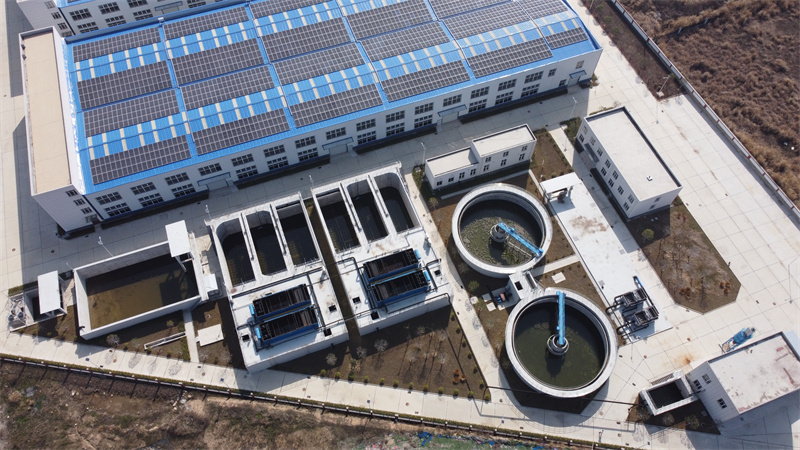
With the rapid progress of urbanization and industrialization, wastewater treatment projects have become core infrastructure for water environment governance, recycled utilization of water resources and ecological security guarantee. Scientific planning, standardized construction and efficient operation & maintenance of wastewater treatment works can not only steadily reduce pollutants such as COD, ammonia nitrogen and total phosphorus, but also realize reclaimed water reuse and sludge resource recovery to facilitate green and low-carbon development. From the dimensions of technological process, technical selection, key engineering design points, intelligent operation & maintenance and industrial trends, this paper systematically analyzes full-chain implementation essentials of wastewater treatment projects, providing professional references for project delivery and stable standard-compliant operation.
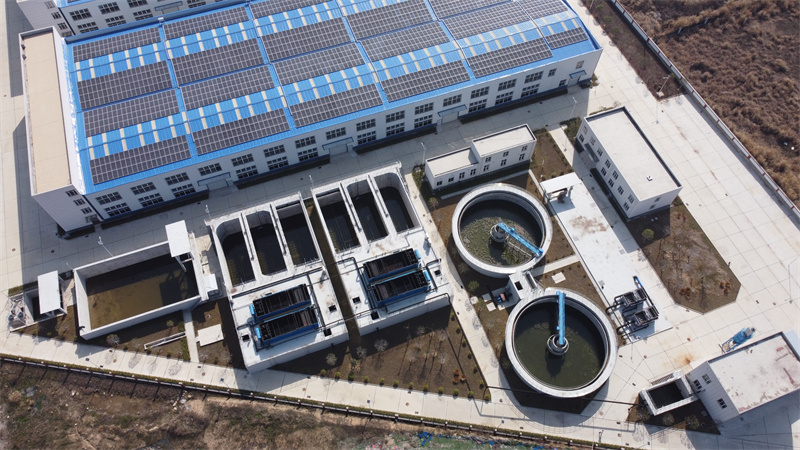
I. Core Technological Process of Wastewater Treatment Projects
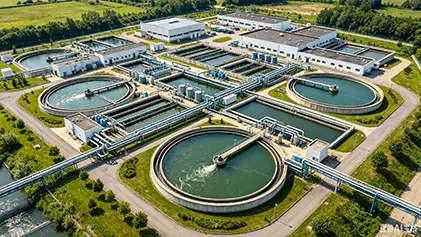
Modern wastewater treatment projects follow the standardized flow of "Preliminary Treatment – Biochemical Treatment – Advanced Treatment – Sludge Disposal", which can be flexibly optimized according to different water quality characteristics of domestic sewage and industrial wastewater to guarantee stable qualified effluent.
Preliminary Treatment Unit
Preliminary treatment mainly intercepts large particulate impurities and balances water quality and flow to reduce the load of subsequent units. Core facilities include coarse bar screens, fine bar screens, vortex grit chambers and equalization tanks. They can effectively remove suspended substances such as branches, plastic bags and sand grains to avoid blockage of water pumps and pipelines, laying a solid foundation for stable operation of biochemical systems.
Biochemical Treatment Unit
Biochemical treatment is the core stage for removing organic pollutants and nitrogen & phosphorus removal, which degrades pollutants relying on microbial metabolism. Mainstream processes include A²/O (Anaerobic-Anoxic-Oxic), oxidation ditch, SBR and MBR Membrane Bioreactor. Among them, A²/O is the first choice for municipal wastewater treatment plants due to stable simultaneous nitrogen and phosphorus removal and controllable operating costs. MBR replaces traditional secondary sedimentation tanks with membrane separation, delivering better effluent quality and smaller footprint, suitable for high-standard water reuse scenarios.
Advanced Treatment Unit
To meet the demands of standard upgrading and reclaimed water reuse, advanced treatment further removes residual suspended solids, chroma and trace pollutants. Common processes include quartz sand filtration, activated carbon adsorption, ozonation, ultrafiltration (UF) and reverse osmosis (RO). The effluent can reach reclaimed water standards for municipal greening, industrial cooling, river ecological replenishment and other purposes to realize cyclic utilization of water resources.
Sludge Treatment & Disposal Unit
Excess sludge generated from wastewater treatment shall undergo thickening, dewatering and drying before compliant disposal. Main technologies include plate-and-frame filter pressing, belt dewatering and low-temperature drying. The moisture content of dewatered sludge can be reduced below 60%, then it can be recycled through incineration power generation, building material production, sanitary landfilling and other ways to avoid secondary pollution.
II. Principles for Technical Selection of Wastewater Treatment Projects
Technical selection directly determines project stability, investment cost and operation difficulty, which shall comply with four principles: mature and reliable, economical and efficient, water quality adaptive, energy-saving and low-carbon:
Water Quality Adaptation: If B/C ratio of domestic sewage is higher than 0.3, activated sludge process is preferred. High-concentration industrial wastewater adopts combined "anaerobic + oxic" processes such as UASB+A/O. Refractory wastewater can be equipped with enhanced preliminary treatment including Fenton oxidation and micro-electrolysis.
Scale Adaptation: Traditional processes such as A²/O and oxidation ditch feature higher cost performance for large municipal projects. Compact processes like MBR and biological contact oxidation are prioritized for medium & small stations or sites with limited land area.
Discharge Standard Adaptation: Advanced treatment shall be strengthened for Grade 1 A discharge standard; membrane separation or advanced oxidation shall be equipped for reuse projects to ensure effluent meets reuse requirements.
Energy Saving Adaptation: High-efficiency aeration, precise chemical dosing and variable frequency control equipment shall be selected to cut power and chemical consumption in line with the Dual Carbon Goals.
III. Key Design Points of Wastewater Treatment Projects
Engineering design is the core link of project delivery, which shall balance compliance, practicability and forward-looking layout. Key dimensions are as follows:
Design Basis and Water Quality Parameters
Determine treatment scale and influent & effluent indicators strictly in accordance with feasibility study approval, EIA documents and Discharge Standard of Pollutants for Municipal Wastewater Treatment Plants (GB18918-2002). Optimize layout combined with on-site geology, hydrology and meteorological conditions to avoid rework in later stages.
Tank Structure and Space Planning
Tank design shall meet anti-seepage and anti-floating requirements. The spacing between equipment shall be no less than 1.2m, passage width no less than 1.5m, and hoisting & maintenance space shall be reserved for later maintenance. Semi-underground or fully underground design can save land and reduce noise, suitable for projects in urban core areas.
Optimization of Energy and Chemical Consumption
Reduce aeration energy consumption by optimizing hydraulic retention time and adopting microporous aeration and intelligent oxygen control; dose chemicals such as PAC and PAM accurately to cut chemical consumption and improve sludge dewatering efficiency.
Safety and Environmental Design
Equip odor collection and treatment systems with covered sealing, biological deodorization or ion deodorization processes; set up emergency tanks and overflow facilities to cope with water quality fluctuation and sudden accidents and prevent environmental risks.
IV. Intelligent Operation & Maintenance Management of Wastewater Treatment Projects
Construction is easy while operation & maintenance is challenging. Scientific O&M is the key to long-term stable standard compliance of wastewater treatment works. Modern projects generally adopt intelligent O&M systems to cut costs and improve efficiency:
Automatic Monitoring System
Deploy SCADA monitoring platform to real-timely monitor key parameters such as pH, DO, MLSS and flow, and remotely control water pumps, aeration and dosing equipment to reduce manual intervention and speed up response.
Preventive Equipment Maintenance
Establish TPM total productive maintenance mechanism, regularly inspect fans, pumps and membrane modules, replace wearing parts timely to avoid unplanned shutdown and extend service life of equipment.
Fine Process Regulation
Dynamically adjust aeration volume, sludge retention time and reflux ratio according to influent load, maintain MLSS at 3000-4000mg/L to keep microbial activity and improve pollutant removal efficiency.
Data-Driven Operation Decision-Making
Rely on digital twin and AI algorithms to predict water quality fluctuation and optimize energy distribution, realizing transformation from "experience-based O&M" to "data-driven management" and lowering operating costs.
V. Industrial Development Trends of Wastewater Treatment Projects
Low-Carbon Upgrading: Popularize technologies such as photovoltaic aeration, waste heat utilization and sludge anaerobic biogas production to reduce carbon footprint and build zero-carbon wastewater plants.
Resource Recycling: Raise reclaimed water reuse rate, realize collaborative incineration power generation and building material production of sludge to turn waste into valuable resources.
Wide Application of Intelligence: In-depth integration of IoT, big data and AI to realize unattended operation and intelligent regulation for higher O&M efficiency.
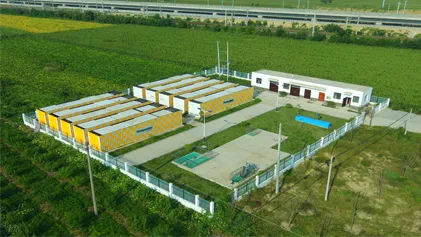
Integrated Compact Equipment: Modular and containerized wastewater treatment equipment gain rapid popularity, suitable for decentralized treatment scenarios such as rural areas and scenic spots.
Conclusion
Wastewater treatment projects act as vital carriers for water environment governance. The full chain ranging from process design and engineering construction to intelligent O&M shall adhere to the concept of scientific standardization, green and high efficiency. Through reasonable process selection, precise design and intelligent control, we can not only achieve standard-compliant wastewater discharge, but also promote cyclic utilization of water resources, providing solid support for ecological environment protection and sustainable development. Driven by technological innovation and relevant policies, wastewater treatment projects will keep upgrading toward lower carbon, higher intelligence and comprehensive resource recycling to protect clear waters and blue skies in the future.
Related Products
Related News
- 信阳市New Trends in the Development of the MBR Membrane Wastewater Treatment Industry: A Professional Guide to Selecting Source Manufacturers
- 信阳市How to Select Wastewater Treatment Equipment for Pig Farms? In-depth Review of Trusted Industry Service Providers
- 信阳市Hard-to-Treat Slaughterhouse Wastewater? Tested & Recommended High-Adaptability Wastewater Treatment Solutions for 2026
- 信阳市How to Select Integrated Wastewater Treatment Equipment? In-depth Review of Trustworthy Source Manufacturers Recognized by Industry Insiders
- 信阳市How to Select Buried Integrated Wastewater Treatment Equipment? Strength Evaluation of Reliable Brands in 2026
- 信阳市Inventory of New Coal Mine Water Treatment Technologies! How to Select Cost-Effective Manufacturers & Avoid Common Pitfalls
- 信阳市Textile Printing & Dyeing Wastewater Treatment Is Tough? These Four Powerful Enterprises Easily Solve Core Industry Pain Points
- 信阳市Authoritative Evaluation of High-Salinity Wastewater Treatment Equipment | Top Recommended Brands of 2026
- 信阳市Which Supplier Offers Reliable Integrated Sewage Treatment Equipment? Multi-dimensional Actual Test Comparison & Top Recommended Brands Released
- 信阳市Electroplating Factory Wastewater Treatment Engineering Cases
About Us
products
Business
News
Contact Us
Service Hotline:+86-15253659088WhatsApp: +86 18706508001
Email: jly@haipuou.group
Address: No.56, Donghuan Road, Zhucheng City, Weifang City, Shandong Province, China