


- Home
- About Us
About Us
- Product
Product
- Cases
Cases
- R&D Technology
- News
News
- Contact Us


- Default Language
 EN
EN RU
RU ES
ES DE
DE EL
EL IT
IT JA
JA KO
KO PT
PT ID
ID SR
SR UK
UK VI
VI TH
TH TR
TR MS
MS BE
BE AR
AR
阿里地区Full Solution Analysis of Wastewater Treatment: Technical Selection, Process Flow & Standard-Compliant Discharge
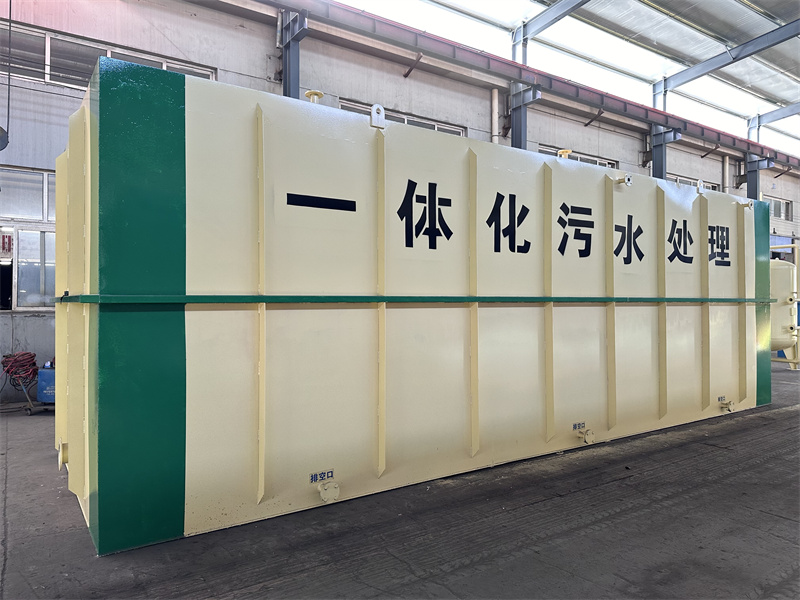
Abstract: This paper systematically analyzes core wastewater treatment technologies, standardized process flows, industrial discharge compliance requirements and system optimization strategies, covering municipal and industrial scenarios. It delivers professional and implementable practical solutions for wastewater treatment, helping enterprises achieve compliant discharge and recycled utilization of water resources.
Wastewater treatment is a core link for water pollution prevention, ecological environment protection and compliant production & operation. Under the Dual Carbon Goals and strict supervision of the Water Pollution Prevention and Control Law, efficient, stable and low-cost wastewater treatment solutions can not only guarantee standard-compliant effluent discharge, but also realize water reuse and cut operating costs. This paper comprehensively breaks down key points of wastewater treatment from technical systems, process specifications, compliance control to optimization and upgrading, providing professional references for industry practitioners.
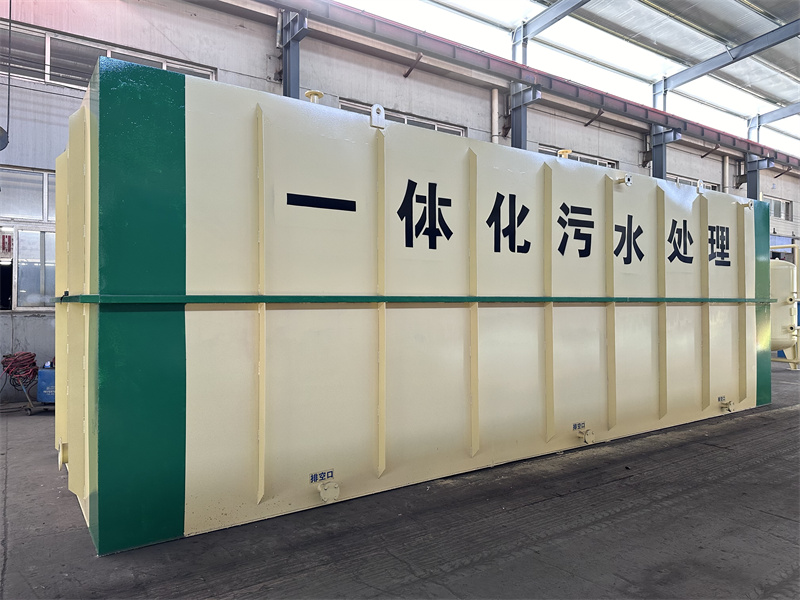
I. Core Value of Wastewater Treatment & Policy Compliance Requirements
Wastewater treatment is not only an environmental protection obligation, but also a mandatory threshold for enterprises’ sustainable operation.
Compliance Bottom Line: Comply with Discharge Standard of Pollutants for Municipal Wastewater Treatment Plants (GB18918-2002) and special industrial standards for chemical, printing & dyeing, electroplating and other sectors to avoid penalties for excessive pollutant discharge.
Ecological Protection: Remove pollutants including COD, ammonia nitrogen, total phosphorus and heavy metals to curb water eutrophication and ecological damage.
Resource Efficiency Improvement: Realize cyclic utilization of water resources through reclaimed water reuse and concentrated water reduction, lowering consumption of fresh water.
II. Classification & Applicable Scenarios of Mainstream Wastewater Treatment Technologies
Modern wastewater treatment technologies are divided into four categories by working principles, which can be flexibly combined according to wastewater quality:
Physical Treatment Technology
Suspended solids and floating matters are removed via interception, sedimentation and filtration, serving as core preliminary treatment processes. Common equipment: bar screens, grit chambers, sedimentation tanks and quartz sand filters, applicable to front-end pretreatment of all types of wastewater.
Chemical Treatment Technology
Pollutant forms are transformed through chemical reactions for targeted treatment of refractory organics, heavy metal wastewater and high-salinity wastewater. Core processes: coagulation sedimentation, neutralization adjustment, Fenton oxidation and catalytic ozonation, featuring high treatment efficiency and quick effect.
Biological Treatment Technology
Microbial metabolism degrades organic pollutants, acting as the dominant process for municipal sewage and organic industrial wastewater. Main technologies: activated sludge process, A/O nitrogen & phosphorus removal, biofilm process and UASB anaerobic reactor, with low operating costs and no secondary pollution.
Advanced Treatment & Reuse Technology
Applied to upgrade effluent to Grade 1 A standard or for production reuse. Core processes: ultrafiltration (UF), reverse osmosis (RO), activated carbon adsorption and disinfection to realize wastewater resource recovery.
III. Standardized Full Process of Wastewater Treatment
A complete wastewater treatment system follows a closed-loop flow: Preliminary Treatment → Main Treatment → Advanced Purification → Discharge / Reuse → Sludge Disposal:
Preliminary Treatment Stage: Bar screens intercept debris → equalization tanks balance water quality and flow → grit chambers remove inorganic particles to reduce the load of subsequent processes.
Main Treatment Stage: Biochemical or chemical processes are adopted to eliminate most organic matter, nitrogen, phosphorus and heavy metals, completing the reduction of core pollutants.
Advanced Purification Stage: Filtration + advanced oxidation + membrane separation further cut residual pollutants to meet reuse requirements or strict discharge standards.
Disinfection & Discharge Stage: Ultraviolet or chlorine dioxide disinfection kills pathogenic microorganisms before standard-compliant discharge or reuse for production and greening.
Sludge Disposal Stage: Thickening → dewatering → harmless disposal / resource utilization to avoid secondary pollution.
IV. Discharge Compliance Control & Intelligent Monitoring for Wastewater Treatment
Stable standard compliance is the core target of wastewater treatment, requiring the establishment of a full-process control system:
Key Indicator Control: Focus on monitoring COD, ammonia nitrogen, total phosphorus, SS, pH, heavy metals and other indicators to match corresponding discharge standards.
Online Monitoring System: Install online water quality monitoring equipment with real-time data upload to meet environmental supervision requirements.
Standardized Operation & Maintenance: Conduct regular equipment inspections, adjust process parameters, and replace filter media and chemicals to ensure continuous and stable system operation.
V. Wastewater Treatment System Optimization & Energy Saving & Consumption Reduction
Problems such as high operating costs, excessive energy consumption and fluctuating effluent quality can be solved via optimization to lower costs and boost efficiency:
Process Optimization: Adopt combined anaerobic-aerobic processes and step-feed techniques to cut chemical and energy consumption.
Equipment Upgrade: Select high-efficiency energy-saving pumps, variable-frequency fans and intelligent aeration systems to reduce power consumption by over 30%.
Resource Utilization: Reuse reclaimed water for circulating cooling water and green irrigation; turn sludge into building materials or generate electricity via incineration to convert waste into resources.
Intelligent O&M: Equip PLC automatic control systems to automatically adjust chemical dosage and aeration volume, reducing labor costs and operational fluctuations.
VI. Core Criteria for Selecting Professional Wastewater Treatment Services
For enterprises building self-owned wastewater systems or outsourcing treatment services, the following factors shall be prioritized:
Qualification Compliance: Possess professional contracting qualifications for environmental engineering and operation qualifications for pollution treatment facilities.
Customization Capacity: Design tailor-made process schemes based on wastewater quality, water volume and discharge standards instead of one-size-fits-all solutions.
Case Experience: Own successful wastewater treatment cases in the same industry to guarantee mature and reliable processes.
Full-Cycle Service: Provide one-stop services including design, construction, commissioning and operation & maintenance with timely after-sales response.
Conclusion
Scientific wastewater treatment is an inevitable choice for environmental compliance and sustainable development. Through reasonable technology selection, standardized process flows and enhanced operation & maintenance control, enterprises can realize stable standard-compliant discharge and promote cyclic utilization of water resources, balancing ecological and economic benefits. For wastewater with different industrial characteristics, customized schemes designed by professional teams enable wastewater treatment systems to operate more efficiently, energy-saving and durably.
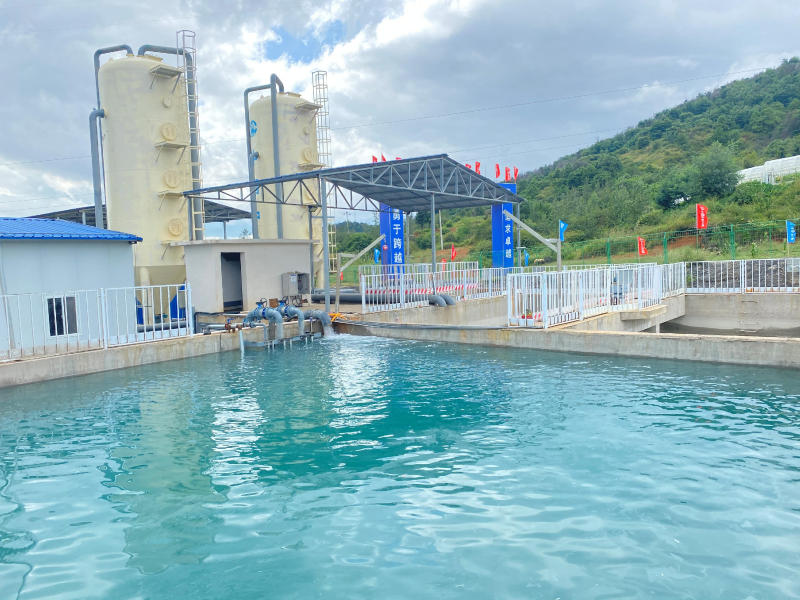
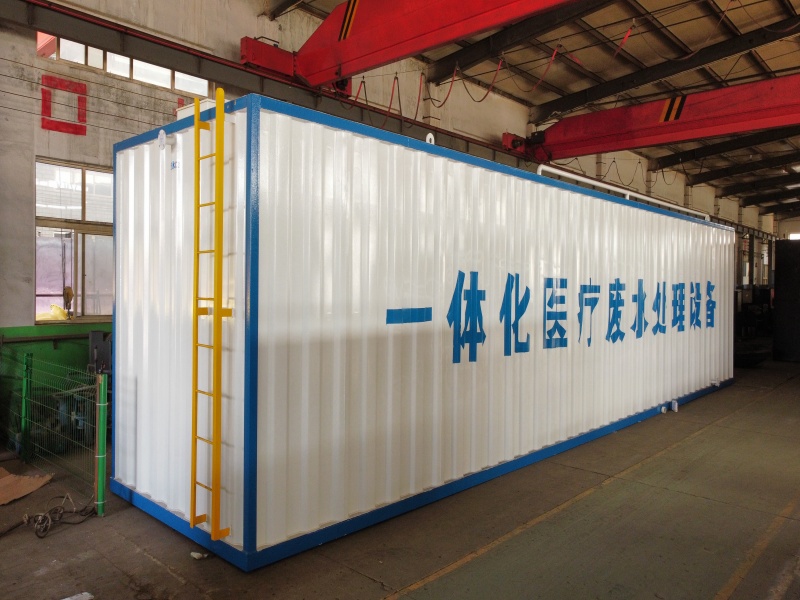
Related News
- 阿里地区New Trends in the Development of the MBR Membrane Wastewater Treatment Industry: A Professional Guide to Selecting Source Manufacturers
- 阿里地区How to Select Wastewater Treatment Equipment for Pig Farms? In-depth Review of Trusted Industry Service Providers
- 阿里地区Hard-to-Treat Slaughterhouse Wastewater? Tested & Recommended High-Adaptability Wastewater Treatment Solutions for 2026
- 阿里地区How to Select Integrated Wastewater Treatment Equipment? In-depth Review of Trustworthy Source Manufacturers Recognized by Industry Insiders
- 阿里地区How to Select Buried Integrated Wastewater Treatment Equipment? Strength Evaluation of Reliable Brands in 2026
- 阿里地区Inventory of New Coal Mine Water Treatment Technologies! How to Select Cost-Effective Manufacturers & Avoid Common Pitfalls
- 阿里地区Textile Printing & Dyeing Wastewater Treatment Is Tough? These Four Powerful Enterprises Easily Solve Core Industry Pain Points
- 阿里地区Authoritative Evaluation of High-Salinity Wastewater Treatment Equipment | Top Recommended Brands of 2026
- 阿里地区Which Supplier Offers Reliable Integrated Sewage Treatment Equipment? Multi-dimensional Actual Test Comparison & Top Recommended Brands Released
- 阿里地区Electroplating Factory Wastewater Treatment Engineering Cases
About Us
products
Business
News
Contact Us
Service Hotline:+86-15253659088WhatsApp: +86 18706508001
Email: jly@haipuou.group
Address: No.56, Donghuan Road, Zhucheng City, Weifang City, Shandong Province, China