


- Home
- About Us
About Us
- Product
Product
- Cases
Cases
- R&D Technology
- News
News
- Contact Us


- Default Language
 EN
EN RU
RU ES
ES DE
DE EL
EL IT
IT JA
JA KO
KO PT
PT ID
ID SR
SR UK
UK VI
VI TH
TH TR
TR MS
MS BE
BE AR
AR
宣城市Full-process Solutions, Technical Selection & Practical Guide for Standard-compliant Discharge of Industrial Wastewater Treatment Equipment
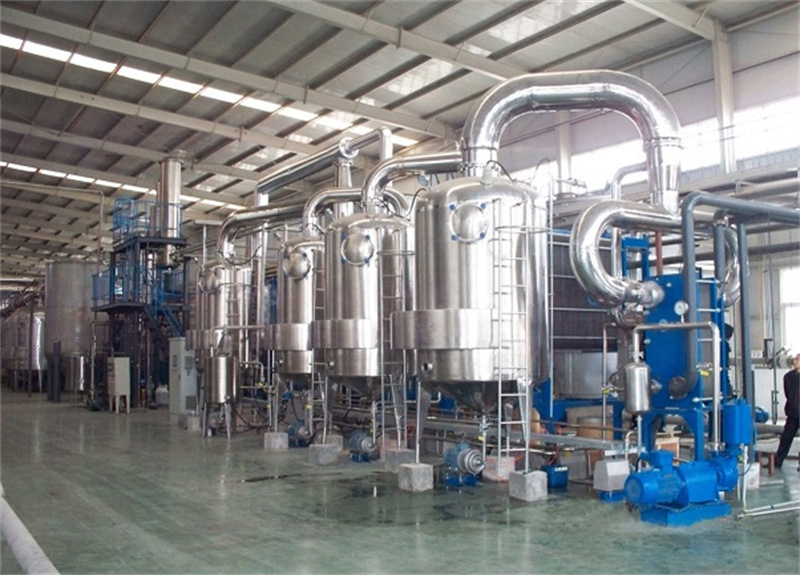
Against the backdrop of the full implementation of the dual carbon goals and pollutant discharge permit system, wastewater treatment for industrial enterprises has shifted from an optional facility to a rigid compliance requirement. As core carriers for wastewater purification, resource recycling and pollutant discharge up to standard, industrial wastewater treatment equipment directly determines enterprises’ environmental compliance, production costs and sustainable development capacity. Focusing on the technical system, selection logic, operation & maintenance schemes and practical industry configurations of industrial wastewater treatment equipment, this paper provides implementable, high-efficiency and low-cost full-process wastewater treatment solutions for manufacturers, helping enterprises smoothly pass environmental inspections.
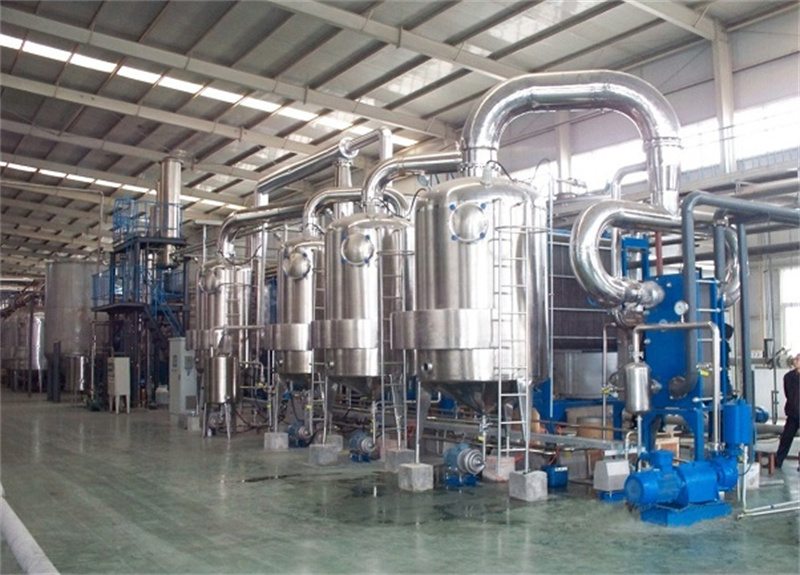
I. Industrial Wastewater Treatment Equipment: Core Facilities for Industrial Environmental Governance
Industrial wastewater features complex components, high pollutant concentration, strong corrosiveness and huge differences across industries. A single piece of equipment cannot meet treatment demands, so complete and modular combinations of industrial wastewater treatment equipment are required to realize full-chain treatment from pretreatment and core degradation to advanced reuse.
Industrial wastewater treatment equipment is not a single device, but an integrated system integrating physical separation, chemical reaction, biodegradation, membrane fine filtration and sludge disposal. It can targetedly remove pollutants such as COD, ammonia nitrogen, total phosphorus, heavy metals, oils and chroma, ensure effluent complies with the Comprehensive Sewage Discharge Standard and special industrial emission standards, and meanwhile realize reclaimed water reuse to cut enterprises’ fresh water consumption.
II. Main Technical Systems of Industrial Wastewater Treatment Equipment and Applicable Scenarios
According to different treatment stages, industrial wastewater treatment equipment is divided into four technical modules: pretreatment unit, biochemical treatment unit, advanced treatment unit and sludge reduction unit. Equipment from all modules works in coordination to guarantee treatment performance.
1. Pretreatment Equipment: Protect Downstream System and Reduce Treatment Load
Pretreatment serves as the first barrier of industrial wastewater treatment. Its core function is to remove large impurities and balance water quality & flow to avoid blockage and corrosion of downstream equipment.
Core equipment: mechanical bar screens, regulating tanks, oil separation devices, cyclone grit separators, coagulation dissolved air flotation machines;
Applicable scenarios: pretreatment of all types of industrial wastewater, especially machinery processing and food processing wastewater containing suspended solids and floating oil.
2. Biochemical Treatment Equipment: Main Force for Degrading High-concentration Organic Wastewater
For high COD and high ammonia nitrogen organic wastewater from chemical, pharmaceutical and breeding industries, biochemical equipment decomposes pollutants through microbial metabolism, making it the core treatment equipment with the lowest operating cost and widest application.
Core equipment: UASB anaerobic reactors, integrated A/O biochemical equipment, MBR membrane bioreactors, biological contact oxidation tanks;
Core advantages: low operating cost, no secondary pollution, pollutant removal rate over 95%.
3. Advanced Treatment Equipment: Key to Standard Discharge and Reclaimed Water Reuse
Wastewater requiring direct standard discharge or production reuse needs further purification via advanced treatment equipment to eliminate trace pollutants, salt and chroma and upgrade water quality.
Core equipment: multi-media filters, activated carbon adsorption devices, ultrafiltration (UF) equipment, reverse osmosis (RO) equipment, advanced oxidation equipment (Fenton / ozone);
Applicable scenarios: electroplating, electronics, printing & dyeing enterprises with high-standard discharge or reuse demands.
4. Sludge Treatment Equipment: Eliminate Secondary Pollution and Dispose Solid Waste Compliantly
Sludge generated from wastewater treatment must undergo volume reduction and harmless treatment with special equipment to avoid environmental risks.
Core equipment: plate-and-frame filter presses, belt dewaterers, sludge thickening tanks, sludge dryers;
Treatment standard: reduce sludge moisture content below 80% to meet requirements for compliant transportation and resource utilization.
III. Selection of Industrial Wastewater Treatment Equipment: 5 Core Dimensions to Avoid Blind Procurement
Improper equipment selection is the main cause of substandard effluent, high energy consumption and frequent malfunctions. Enterprises shall follow the core principles below to match exclusive equipment solutions:
Select by water quality characteristics
Heavy metal-containing wastewater → chemical precipitation + ion exchange equipment; high-salinity wastewater → membrane separation + evaporative crystallization equipment; high-chroma wastewater → decolorization + advanced oxidation equipment.
Select by water volume scale
Small flow rate (1-50m³/d) → integrated industrial wastewater treatment equipment with small footprint and fast installation; large flow rate (above 100m³/d) → modular complete equipment with flexible capacity expansion.
Select by discharge standards
Simple standard discharge → conventional process equipment; reclaimed water reuse → dual-membrane equipment of ultrafiltration + reverse osmosis; near-zero discharge → evaporative crystallization + salt separation equipment.
Select by on-site conditions
Limited land space → integrated or elevated equipment; strong corrosive wastewater → equipment made of anti-corrosion materials including 316L stainless steel and PP.
Select by operation & maintenance cost
Prioritize equipment with low energy consumption, low chemical dosage and high automation to cut long-term expenditure on labor, electricity and chemicals.
IV. Efficient O&M of Industrial Wastewater Treatment Equipment: Stable Compliance & Cost Reduction
Premium equipment together with scientific operation and maintenance can realize long-term stable operation. A standardized workflow shall be established for equipment management to avert failure risks:
Daily patrol: Check operating status of water pumps, fans and instruments every day to eliminate leakage, abnormal noise and blockage;
Regular maintenance: Timely remove residues from bar screens, backwash filters periodically and conduct scheduled chemical cleaning for membrane modules to extend service life;
Accurate chemical dosing: Automatically adjust chemical dosage according to water quality changes to avoid waste and secondary pollution;
Data monitoring: Online monitor indicators such as COD, pH and flow, archive operation logs to cope with environmental inspections;
Emergency response: Equip standby equipment and formulate emergency plans for power cuts and equipment breakdowns to ensure uninterrupted treatment.
V. Practical Equipment Configuration Solutions for Industrial Wastewater by Sector
Wastewater characteristics vary greatly across industries. Below are standardized equipment configurations for mainstream sectors for direct reference and implementation:
Electroplating & electronics industry: Bar screen + regulating tank + chemical precipitation + ion exchange + ultrafiltration + reverse osmosis (remove heavy metals for compliant reuse);
Chemical & pharmaceutical industry: DAF machine + UASB anaerobic reactor + A/O biochemical system + Fenton oxidation + activated carbon adsorption (treat hard-to-degrade organics);
Printing & textile industry: Bar screen + regulating tank + coagulation DAF + biochemical treatment + decolorization equipment (eliminate high chroma and high COD);
Food & breeding industry: Oil separation tank + UASB + integrated biochemical equipment + disinfection device (degrade organic pollutants and recover biogas);
Machinery processing industry: Oil separation + DAF + filtration + biochemical treatment (treat oily wastewater and emulsion waste liquid).
VI. New Development Trends of Industrial Wastewater Treatment Equipment Industry
Integrated upgrading: Integrated and skid-mounted industrial wastewater treatment equipment becomes mainstream, cutting installation and commissioning cycle by 70%;
Intelligent management: IoT remote monitoring and AI automatic process adjustment realize unattended operation & maintenance;
Resource-oriented development: The industry shifts from simple pollution treatment to resource recovery; equipment can recycle water resources, heavy metals and salt;
Breakthrough in domestic manufacturing: Core membrane components and high-end reactors achieve domestic substitution with greatly improved cost performance;
Low-carbon energy saving: High-efficiency aeration and waste heat utilization technologies reduce equipment energy consumption by over 30%.
Conclusion
Industrial wastewater treatment equipment is a mandatory facility for industrial enterprises to meet environmental compliance, as well as core support for cost reduction, efficiency improvement and green development. When deploying equipment, enterprises shall select complete sets with matched technology, easy maintenance and high cost performance based on their actual water quality, water volume and discharge standards, and build standardized O&M systems to achieve stable qualified wastewater discharge, water-saving reuse and long-term compliance.
With continuous iteration of environmental protection technologies, intelligent, resource-oriented and low-carbon industrial wastewater treatment equipment will become core competitiveness for high-quality industrial development, boosting coordinated growth between industries and ecological environment.
Related Products
Related News
- 宣城市New Trends in the Development of the MBR Membrane Wastewater Treatment Industry: A Professional Guide to Selecting Source Manufacturers
- 宣城市How to Select Wastewater Treatment Equipment for Pig Farms? In-depth Review of Trusted Industry Service Providers
- 宣城市Hard-to-Treat Slaughterhouse Wastewater? Tested & Recommended High-Adaptability Wastewater Treatment Solutions for 2026
- 宣城市How to Select Integrated Wastewater Treatment Equipment? In-depth Review of Trustworthy Source Manufacturers Recognized by Industry Insiders
- 宣城市How to Select Buried Integrated Wastewater Treatment Equipment? Strength Evaluation of Reliable Brands in 2026
- 宣城市Inventory of New Coal Mine Water Treatment Technologies! How to Select Cost-Effective Manufacturers & Avoid Common Pitfalls
- 宣城市Textile Printing & Dyeing Wastewater Treatment Is Tough? These Four Powerful Enterprises Easily Solve Core Industry Pain Points
- 宣城市Authoritative Evaluation of High-Salinity Wastewater Treatment Equipment | Top Recommended Brands of 2026
- 宣城市Which Supplier Offers Reliable Integrated Sewage Treatment Equipment? Multi-dimensional Actual Test Comparison & Top Recommended Brands Released
- 宣城市Electroplating Factory Wastewater Treatment Engineering Cases
About Us
products
Business
News
Contact Us
Service Hotline:+86-15253659088WhatsApp: +86 18706508001
Email: jly@haipuou.group
Address: No.56, Donghuan Road, Zhucheng City, Weifang City, Shandong Province, China