


- Home
- About Us
About Us
- Product
Product
- Cases
Cases
- R&D Technology
- News
News
- Contact Us


- Default Language
 EN
EN RU
RU ES
ES DE
DE EL
EL IT
IT JA
JA KO
KO PT
PT ID
ID SR
SR UK
UK VI
VI TH
TH TR
TR MS
MS BE
BE AR
AR
漯河市How Is Wastewater Treated? Full Process Analysis & Guide to Standard-Compliant Discharge
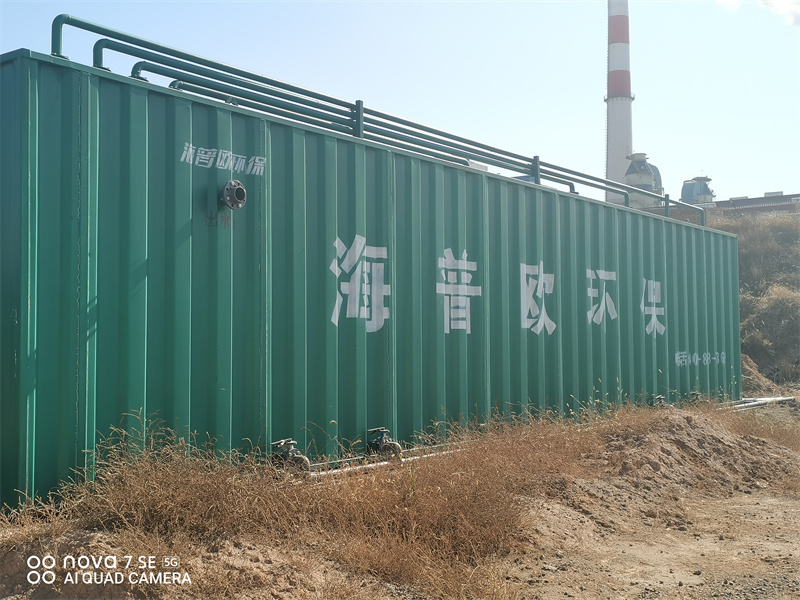
With the rapid advancement of urbanization and industrialization, the total volume of wastewater discharge keeps increasing. Scientific and efficient wastewater treatment has become a core link for aquatic ecological protection and recycled utilization of water resources. How to treat wastewater is a key concern for environmental engineering, municipal operation and maintenance, as well as corporate environmental management. Combining the latest national standards and mainstream processes, this paper systematically breaks down the full wastewater treatment workflow, core technologies and scenario-based solutions, offering professional references for industrial practical operation and compliant discharge.
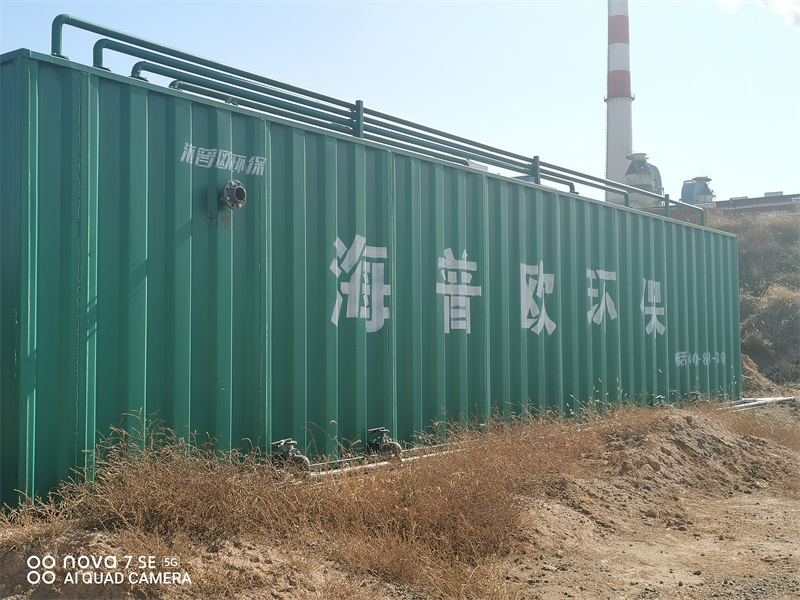
I. Wastewater Classification & Core Treatment Objectives
Wastewater can be divided into three categories by source: urban domestic sewage, industrial wastewater and agricultural non-point source wastewater, with drastically different pollutant compositions:
Domestic sewage: Mainly contains organic matter, suspended solids, nitrogen, phosphorus and pathogenic microorganisms;
Industrial wastewater: Contains characteristic pollutants such as heavy metals, refractory organics, acids, alkalis and oils;
Agricultural wastewater: Rich in nitrogen, phosphorus, pesticide residues and pollutants from livestock breeding.
The core objectives of wastewater treatment are to remove suspended solids, degrade organic pollutants, eliminate nitrogen and phosphorus, and kill pathogenic microbes, so that the effluent complies with Discharge Standard of Pollutants for Municipal Wastewater Treatment Plants (GB 18918-2002) and its latest amendment issued in 2026, realizing standard-compliant discharge or recycled reuse.
II. How Is Wastewater Treated? Standardized Three-Stage Full Treatment Process
Modern wastewater treatment follows a progressive sequence: Preliminary Treatment → Primary Treatment → Secondary Treatment → Tertiary Advanced Treatment, purifying water quality layer by layer to meet discharge standards.
1. Preliminary & Primary Physical Treatment
As the first line of defense for wastewater treatment, its core function is to remove large particulate impurities and protect subsequent equipment.
Bar Screen Interception: Remove large floating debris including plastic bags, branches and gravel to prevent pipeline blockage;
Grit Chamber: Separate sand and inorganic particles to reduce the organic loading of subsequent biochemical processes;
Equalization Tank: Balance water quality and flow to avoid system instability caused by shock loads.
Primary treatment can eliminate over 50% of suspended solids, laying a foundation for biochemical treatment.
2. Secondary Biological Treatment (Core Stage)
This is the critical stage of wastewater treatment, where microbial metabolism degrades organic pollutants, serving as the core process to remove COD, BOD and ammonia nitrogen.
Activated Sludge Process: Oxygen is supplied in aeration tanks for aerobic microbes to decompose organics, paired with secondary sedimentation tanks for mud-water separation;
Biofilm Process: Including biofilters, biological rotating disks and other facilities where microbes attach and grow, delivering stronger shock resistance;
Nitrogen & Phosphorus Removal Processes: A/O and A²/O processes operate alternately under anaerobic-anoxic-aerobic conditions to achieve efficient total nitrogen and total phosphorus removal.
Secondary treatment removes 80%-90% of organic matter, and the effluent basically meets basic urban discharge requirements.
3. Tertiary Advanced Treatment & Disinfection
For water reuse or high-standard discharge requirements, water quality is further purified:
Coagulation Sedimentation: PAC and PAM are dosed to remove residual suspended solids and total phosphorus;
Filtration Processes: Sand filtration, fiber filter tanks and MBR membrane filtration trap tiny particles;
Disinfection: Chlorine dioxide, ultraviolet light and ozone disinfection kill pathogenic microorganisms to meet sanitary standards.
Effluent after advanced treatment can reach Grade 1 A standard, available for landscape water replenishment, industrial reuse, municipal miscellaneous water and other purposes.
III. Detailed Introduction to Mainstream Wastewater Treatment Technologies
Common process combinations adopted in the industry for different water qualities and scenarios are listed below:
Conventional Municipal Process: Bar screen + grit removal + A²/O + secondary sedimentation tank + disinfection, suitable for domestic sewage;
Industrial Wastewater Process: Preliminary treatment (neutralization / oil separation / oxidation) + biochemical treatment + membrane treatment, applicable to high-concentration wastewater;
High-efficiency Reuse Process: MBR Membrane Bioreactor + Reverse Osmosis to realize wastewater resource recovery;
Rural Decentralized Process: Integrated equipment and constructed wetlands with low-cost operation & maintenance for rural areas.
IV. Customized Treatment Solutions for Wastewater in Different Scenarios
Urban Sewage: Large-scale wastewater treatment plants equipped with secondary biochemical treatment and advanced treatment, complying with Grade 1 A standard;
Industrial Enterprises: Separated preliminary treatment followed by centralized processing to targetedly remove characteristic pollutants and meet industrial emission standards;
Rural Sewage: Integrated purification tanks and small biochemical equipment featuring low energy consumption and easy maintenance;
Emergency Treatment: Mobile treatment units for rapid disposal of sudden pollution incidents.
V. Latest Wastewater Discharge Standards & Compliance Key Points
The amendment to GB 18918-2002 implemented in March 2026 specifies the following requirements:
Simplified classification of air pollutants, strengthened dual limit control of COD, ammonia nitrogen and total phosphorus;
Online monitoring devices must be installed at discharge outlets, with real-time data uploaded to regulatory platforms;
Optimized disinfection processes to avoid excessive disinfection that harms aquatic ecosystems.
Enterprises and operation & maintenance units must strictly follow monitoring specifications to guarantee stable standard-compliant effluent.
VI. Development Trend of Wastewater Resource Reuse
Current wastewater treatment is shifting from "standard discharge" to "resource recycling", the core upgrading directions of wastewater treatment are as follows:
Reclaimed Water Reuse: Treated wastewater used for industrial cooling, municipal greening and road cleaning;
Sludge Resource Utilization: Sludge dewatering, incineration power generation and composting to realize volume reduction and harmless treatment;
Intelligent Operation & Maintenance: IoT online monitoring and automatic control to boost treatment efficiency and energy conservation.
Conclusion
Wastewater treatment is a systematic project that requires selecting matching process combinations based on water quality characteristics, discharge standards and actual scenarios. Only through the coordination of standardized workflows and advanced technologies ranging from physical interception, biodegradation, advanced purification to resource recycling, can the dual goals of aquatic environmental protection and water resource circulation be achieved. In the future, with upgraded environmental standards and technological innovations, wastewater treatment will keep developing toward higher efficiency, lower carbon emissions and comprehensive resource utilization.
Related Products
Related News
- 漯河市New Trends in the Development of the MBR Membrane Wastewater Treatment Industry: A Professional Guide to Selecting Source Manufacturers
- 漯河市How to Select Wastewater Treatment Equipment for Pig Farms? In-depth Review of Trusted Industry Service Providers
- 漯河市Hard-to-Treat Slaughterhouse Wastewater? Tested & Recommended High-Adaptability Wastewater Treatment Solutions for 2026
- 漯河市How to Select Integrated Wastewater Treatment Equipment? In-depth Review of Trustworthy Source Manufacturers Recognized by Industry Insiders
- 漯河市How to Select Buried Integrated Wastewater Treatment Equipment? Strength Evaluation of Reliable Brands in 2026
- 漯河市Inventory of New Coal Mine Water Treatment Technologies! How to Select Cost-Effective Manufacturers & Avoid Common Pitfalls
- 漯河市Textile Printing & Dyeing Wastewater Treatment Is Tough? These Four Powerful Enterprises Easily Solve Core Industry Pain Points
- 漯河市Authoritative Evaluation of High-Salinity Wastewater Treatment Equipment | Top Recommended Brands of 2026
- 漯河市Which Supplier Offers Reliable Integrated Sewage Treatment Equipment? Multi-dimensional Actual Test Comparison & Top Recommended Brands Released
- 漯河市Electroplating Factory Wastewater Treatment Engineering Cases
About Us
products
Business
News
Contact Us
Service Hotline:+86-15253659088WhatsApp: +86 18706508001
Email: jly@haipuou.group
Address: No.56, Donghuan Road, Zhucheng City, Weifang City, Shandong Province, China