

- Home
- About Us
About Us
- Product
Product
- Cases
Cases
- R&D Technology
- News
News
- Contact Us


- Default Language
 EN
EN RU
RU ES
ES DE
DE EL
EL IT
IT JA
JA KO
KO PT
PT ID
ID SR
SR UK
UK VI
VI TH
TH TR
TR MS
MS BE
BE AR
AR
双鸭山市How Much Is Sewage Treatment Equipment? Key Price-Influencing Factors and Purchasing Guide for 2025
Date:July 13, 2025ID: 2158Views: 140
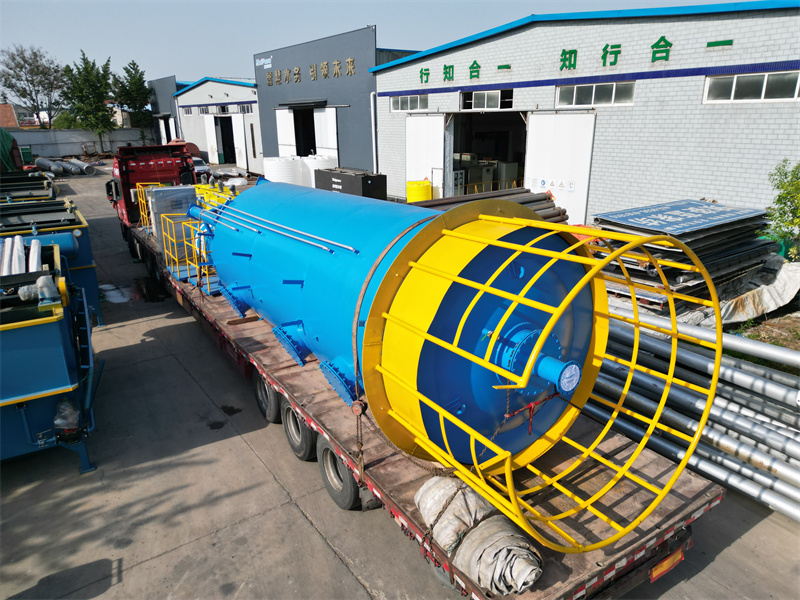
Haipuou Environmental Protection Group Co., Ltd. specializes in the construction of sewage treatment projects and the production and sales of water treatment equipment. Its main products include integrated sewage treatment equipment, high-efficiency cyclone purifiers, magnetic separation sewage treatment equipment, prefabricated sewage treatment plants, smart water management platforms, sludge thickening equipment and air flotation machines.
Against the backdrop of stricter environmental regulations and rising demand for water resource recycling, a growing number of enterprises, communities and medical institutions are looking to purchase sewage treatment equipment. However, there is no simple numerical answer to the question "How much does sewage treatment equipment cost?" The price is affected by multiple factors including equipment type, treatment capacity, process configuration and material standards, with market quotations ranging from tens of thousands to millions of RMB. This article professionally breaks down the core price-influencing factors, provides price references based on 2025 market conditions, and offers scientific purchasing advice to help users accurately control budgets.
I. Five Core Factors Determining the Price of Sewage Treatment Equipment
To figure out the equipment cost, it is necessary to understand how different configurations affect the total expenditure and avoid budget deviations caused by information asymmetry. Below are the key pricing dimensions:
1. Treatment Capacity: Daily Water Output Serves as the Basic Pricing Benchmark
The core function of sewage treatment equipment is water purification, so daily capacity directly decides the cost of tank volume, pump power and filter material filling.
Small-scale equipment (5-50 tons per day): Suitable for small enterprises, rural homestays and community clinics. Most are integrated units such as MBR bioreactors and AO process equipment. Compact and highly integrated, they come with relatively low costs;
Medium-scale equipment (50-500 tons per day): Widely adopted by medium-sized factories, township communities and schools. The system consists of pre-treatment (bar screen, regulating tank), main treatment units and advanced filtration. Additional sludge treatment modules will further raise costs with higher system complexity;
Large-scale equipment (over 500 tons per day): Mainly used in industrial parks and municipal sewage plant expansion projects. These are fully customized projects involving civil construction, equipment installation and automatic control systems. Prices fluctuate greatly with construction cycles and material transportation expenses.
2. Treatment Process: Water Quality Determines Process Cost
Process selection must match raw water quality (domestic sewage, industrial wastewater, medical wastewater), and process complexity directly drives the cost of core components:
Domestic sewage treatment: AO (anoxic-aerobic) and MBR membrane separation are mainstream processes. Thanks to mature technology and low operation cost, AO equipment is 30%-50% cheaper than MBR units. For instance, a 50-ton/day AO system costs about 150,000-250,000 RMB, while an MBR unit ranges from 250,000 to 400,000 RMB;
Industrial wastewater treatment: Extra treatment units such as heavy metal traps and advanced oxidation devices are added according to contaminants (heavy metals in chemical wastewater, high organics in food processing wastewater). A 100-ton/day chemical wastewater treatment system costs 50%-80% more than domestic sewage equipment of the same capacity;
Medical wastewater treatment: To meet GB 18466-2005 Discharge Standard of Water Pollutants for Medical Institutions, disinfection systems (UV sterilizer, chlorine dioxide generator) and anti-corrosion tank treatment are mandatory. Such equipment is 20%-30% more expensive than domestic sewage treatment units with identical capacity.
3. Material and Configuration: Decide Equipment Durability and Total Cost
Differences in tank materials and accessory configurations can lead to a 20%-40% price gap for equipment with the same treatment capacity:
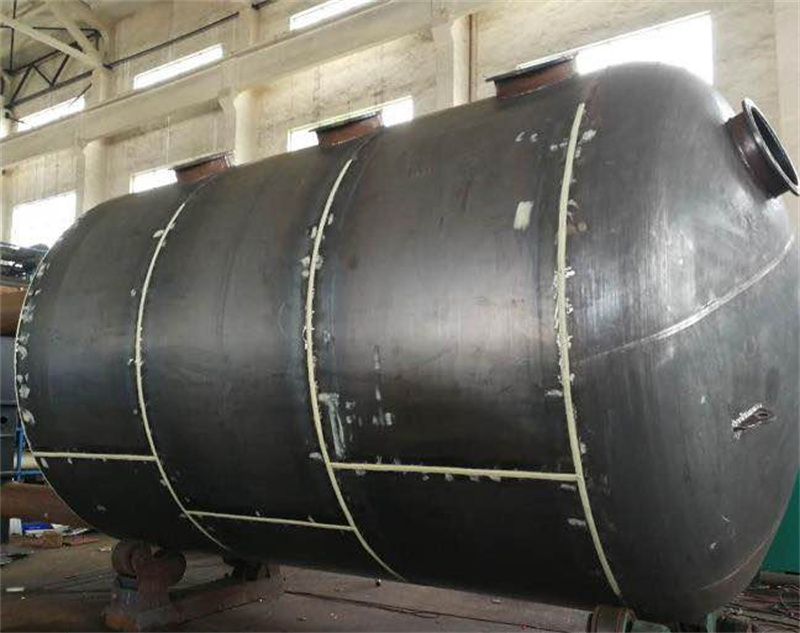
Tank material: Carbon steel with anti-corrosion coating (low cost, service life 5-8 years); 304/316 stainless steel (corrosion-resistant, lifespan 10-15 years, costing 40%-60% higher than carbon steel); fiberglass (lightweight, anti-corrosion, service life 8-12 years, priced between carbon steel and stainless steel);
Core spare parts: Domestic top-tier brands (Nanfang Pump, Baode Blower) cost 30%-50% less than imported brands (Grundfos, Siemens), while imported parts feature better stability and longer service cycles;
Automation level: Manual control equipment has the lowest cost; semi-automatic systems with liquid level sensors and automatic chemical dosing increase expenditure by 15%-20%; fully automatic systems equipped with PLC and remote monitoring platforms cost 30%-50% more but greatly cut labor input for daily operation.
4. Customized Requirements: Special Application Scenarios Push Up Costs
Some clients require customized equipment due to limited land space or upgraded discharge standards. Common customizations and their cost impacts are listed below:
Site adaptation: Vertical or modular split equipment is required for narrow spaces such as basements and rooftops, raising manufacturing costs by 15%-25%;
Strict discharge limits: If the effluent needs to meet Class IV surface water standard for landscape replenishment, advanced treatment units including activated carbon filtration and reverse osmosis must be added. The total cost is 40%-60% higher than equipment only meeting Grade I A of GB 18918-2002;
Emergency treatment demand: Mobile containerized or vehicle-mounted sewage treatment equipment can be deployed flexibly, costing 50%-100% more than fixed units. A 50-ton/day mobile system costs roughly 300,000-500,000 RMB, compared with 150,000-250,000 RMB for fixed equipment.
5. Service and After-Sales: Do Not Neglect Hidden Costs
Equipment procurement covers not only hardware, but also installation, commissioning and maintenance services. These hidden costs usually account for 10%-20% of the total contract value:
Installation and commissioning: Small integrated units can be installed by clients themselves, while medium and large projects require professional on-site construction, with service fees taking up 5%-10% of the equipment price;
Operation training: Basic operation and troubleshooting training is often included in the quotation. Long-term maintenance contracts (filter material replacement, part repair) cost 3%-5% of the equipment price annually;
Warranty period: Standard warranty lasts 1-2 years. Extending the warranty to 3-5 years requires an extra payment equal to 5%-10% of the total cost, yet it lowers long-term maintenance risks.
II. Latest Price Reference for Sewage Treatment Equipment in 2025
Combined with the above influencing factors, the 2025 market price ranges for different scenarios are as follows (Note: Freight, installation fees and tax are excluded; accurate quotations depend on actual requirements):
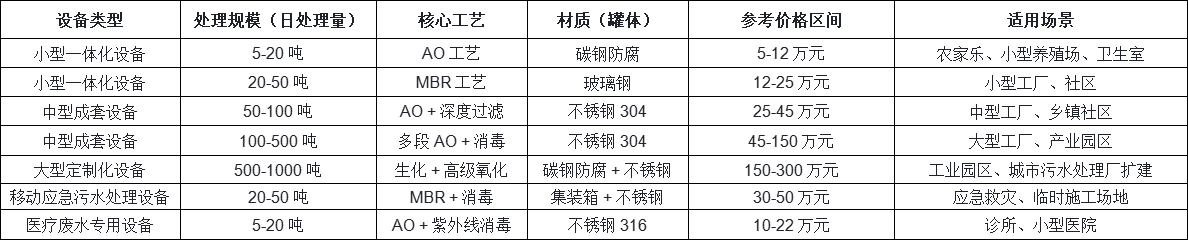
Special Remarks: The above figures are mainstream market quotations. Prices will exceed this range if treating high-concentration refractory industrial wastewater or adopting imported spare parts. It is recommended to provide detailed water quality reports and demand lists for precise formal quotations from manufacturers.
III. Scientific Equipment Purchasing: Three Steps to Avoid Price Traps
When enquiring about equipment prices, buyers should balance cost and treatment effect rather than focusing merely on low quotations. Three key purchasing suggestions are provided below:
1. Confirm Demands First, Then Compare Quotations
Calculate treatment capacity first: Confirm daily water output based on the maximum value of the latest three months, plus a 20% capacity surplus, to avoid substandard effluent from insufficient capacity or unnecessary expenditure from oversized equipment;
Submit water quality test reports: Provide test data including COD, BOD, SS, ammonia nitrogen and pH together with required discharge standards, so the process can be precisely matched and over-treatment costs can be avoided;
Confirm installation conditions: Measure site dimensions, power supply and drainage interfaces in advance to cut extra modification costs in later stages.
2. Prioritize Cost-Performance Instead of Low Prices Alone
Beware of ultra-low-price products: Some manufacturers cut costs by using substandard non-national-standard carbon steel or second-hand parts, or simplifying processes by omitting disinfection units. Although upfront investment is low, such equipment easily suffers from corrosion and substandard effluent, leading to far higher long-term maintenance expenses;
Evaluate full-lifecycle costs: Apart from procurement cost, calculate long-term expenditure including electricity, chemicals and spare parts replacement. For example, MBR equipment has higher upfront cost yet 50% less sludge production than AO units, delivering better economic performance over long-term operation.
3. Choose Qualified Manufacturers to Guarantee After-Sales Service
Verify qualifications: Prioritize suppliers with Environmental Product Certification and ISO9001 Quality Management System Certification to prevent after-sales disputes with unqualified small workshops;
Clarify contract clauses: Write down material standards, part brands, effluent standards, warranty scope and installation details in the contract to prevent arbitrary additional charges in later periods;
Inspect project cases: Request completed projects of the same industry and capacity, and conduct on-site inspections to check equipment running status and maintenance service quality.
IV. Conclusion
The final price of sewage treatment equipment is determined by actual demand. The gap between small 5-ton units and large thousand-ton treatment projects can reach dozens of times. Intense competition in the 2025 environmental market has continuously improved equipment cost-performance. Nevertheless, buyers should follow the logic of clarifying demands, comparing configurations and inspecting services, instead of only chasing low prices while ignoring treatment results.
If you need detailed quotations for specific equipment or customized sewage treatment schemes, please provide industry type, daily water output and water quality data. We will recommend suitable equipment models and accurate budget plans to help you achieve cost control and stable qualified discharge in environmental investment.
Related Products
Related News
- 双鸭山市New Trends in the Development of the MBR Membrane Wastewater Treatment Industry: A Professional Guide to Selecting Source Manufacturers
- 双鸭山市How to Select Wastewater Treatment Equipment for Pig Farms? In-depth Review of Trusted Industry Service Providers
- 双鸭山市Hard-to-Treat Slaughterhouse Wastewater? Tested & Recommended High-Adaptability Wastewater Treatment Solutions for 2026
- 双鸭山市How to Select Integrated Wastewater Treatment Equipment? In-depth Review of Trustworthy Source Manufacturers Recognized by Industry Insiders
- 双鸭山市How to Select Buried Integrated Wastewater Treatment Equipment? Strength Evaluation of Reliable Brands in 2026
- 双鸭山市Inventory of New Coal Mine Water Treatment Technologies! How to Select Cost-Effective Manufacturers & Avoid Common Pitfalls
- 双鸭山市Textile Printing & Dyeing Wastewater Treatment Is Tough? These Four Powerful Enterprises Easily Solve Core Industry Pain Points
- 双鸭山市Authoritative Evaluation of High-Salinity Wastewater Treatment Equipment | Top Recommended Brands of 2026
- 双鸭山市Which Supplier Offers Reliable Integrated Sewage Treatment Equipment? Multi-dimensional Actual Test Comparison & Top Recommended Brands Released
- 双鸭山市Electroplating Factory Wastewater Treatment Engineering Cases
About Us
products
Business
News
Contact Us
Service Hotline:+86-15253659088WhatsApp: +86 18706508001
Email: jly@haipuou.group
Address: No.56, Donghuan Road, Zhucheng City, Weifang City, Shandong Province, China