

- Home
- About Us
About Us
- Product
Product
- Cases
Cases
- R&D Technology
- News
News
- Contact Us


- Default Language
 EN
EN RU
RU ES
ES DE
DE EL
EL IT
IT JA
JA KO
KO PT
PT ID
ID SR
SR UK
UK VI
VI TH
TH TR
TR MS
MS BE
BE AR
AR
大兴安岭地区In-depth Analysis of Domestic Sewage Treatment Equipment Manufacturers: Technical Adaptability and Industrial Value
Date:July 13, 2025ID: 2214Views: 1230
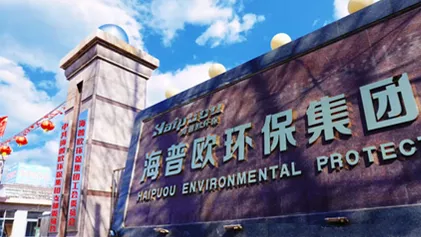
Haipuou Environmental Protection Group Co., Ltd. specializes in the construction of sewage treatment projects as well as the production and sales of water treatment equipment. Our main products include integrated sewage treatment equipment, high-efficiency cyclone purifiers, magnetic separation sewage treatment equipment, prefabricated sewage treatment plants, smart water management platforms, sludge thickening equipment and air flotation machines.
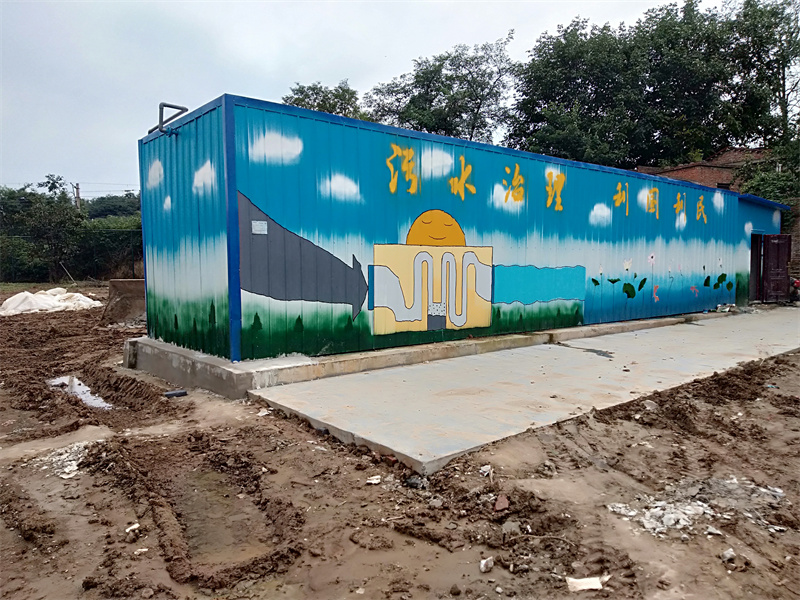
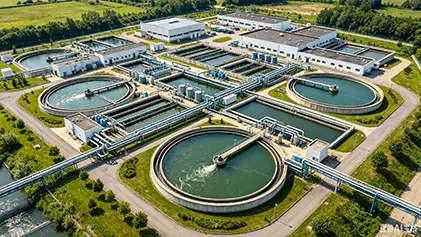
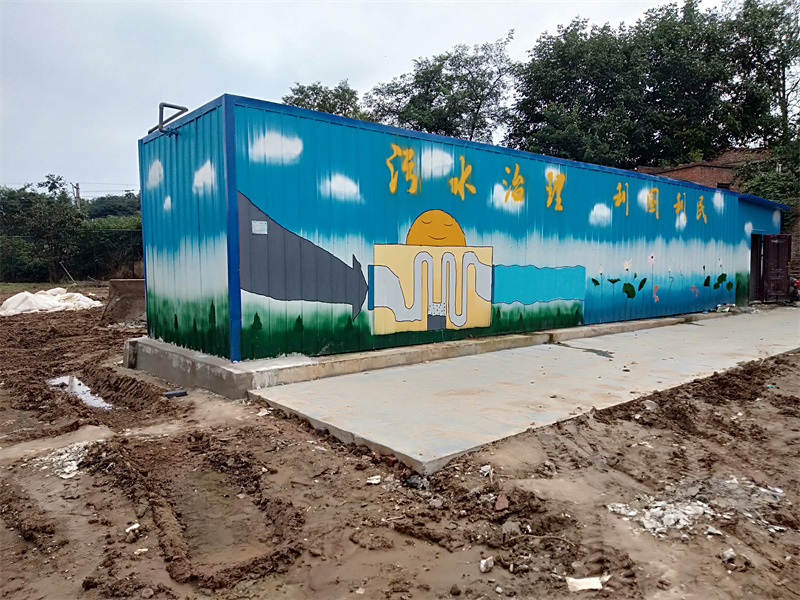
As the environmental protection industry undergoes accelerated upgrading, sewage treatment stands as a core link in water environment governance. The supply capacity of treatment equipment directly determines the effectiveness of pollution control. With an in-depth understanding of local water quality characteristics and policy standards, domestic sewage treatment equipment manufacturers have built a complete industrial chain covering technology R&D, equipment manufacturing and operation & maintenance services. They have become the backbone of water pollution prevention and control in China. This article analyzes the professional strengths of domestic manufacturers from four dimensions: core competitive edges, mainstream equipment categories, selection criteria and industry development trends.
I. Core Competitiveness of Domestic Manufacturers: Localization and Adaptability
Compared with imported equipment, the biggest advantage of domestic manufacturers lies in their full adaptation to China’s complex water quality and diverse application scenarios. Covering a vast territory, China has industrial wastewater (chemical, printing & dyeing, food processing industry etc.) with drastically different compositions, plus frequent fluctuations in municipal sewage quality. Such conditions require equipment with strong anti-shock loading capacity and flexible adjustment performance. Through years of technological accumulation, domestic manufacturers have achieved three major breakthroughs:
R&D tailored to water quality: Custom pretreatment equipment such as advanced oxidation reactors and high-efficiency desalting devices have been developed for special wastewater with high salinity, high COD and high ammonia nitrogen, solving the problem that imported equipment fails to adapt to local conditions.
Fast supply chain response: Local production bases are distributed across North, East and South China’s industrial clusters. The lead time from equipment customization to delivery is cut by more than 40% compared with imported products, which is especially suitable for emergency sewage treatment projects.
Synchronization with policy standards: Manufacturers keep pace with updates including GB 18918-2002 Pollutant Discharge Standard for Urban Sewage Treatment Plants and Technical Specifications for Industrial Wastewater Treatment Projects. This ensures effluent indexes always meet the latest requirements and prevents equipment obsolescence caused by upgraded standards.
II. Mainstream Equipment and Application Scenarios of Domestic Manufacturers
Domestic manufacturers offer a full product line covering the whole process from front-end pretreatment to terminal sludge disposal. The products fall into three major categories based on usage scenarios:
1. Municipal Sewage Treatment Equipment
Designed for large-scale and stable operation, the representative models include:
Integrated MBR Membrane Bioreactor: It combines membrane separation and biological treatment technology, occupying only one-third of the land required by traditional processes. The treated water can be directly reused. It is widely used in newly built municipal sewage plants and upgrading reconstruction projects.
High-efficiency Sedimentation Tank: Adopting inclined tube sedimentation and sludge reflux structure, it achieves a suspended solid removal rate above 95%, matching the secondary treatment stage of municipal sewage.
2. Industrial Wastewater Treatment Equipment
Focusing on removing hard-to-treat pollutants, typical equipment includes:
Electrochemical Oxidation Equipment: It decolorizes printing and dyeing wastewater and decomposes refractory organics in pesticide wastewater via electrode reactions, achieving a COD removal rate of 70%-90%.
Evaporation and Crystallization Equipment: Suitable for high-salinity industrial wastewater from coal chemical and pharmaceutical industries. Multiple-effect evaporation realizes separation of salt and water, and crystalline salt can be recycled as resources.
3. Emergency and Miniature Equipment
Built for decentralized sewage treatment demands:
Mobile Sewage Treatment Vehicle: Integrated with bar screens, biochemical reactors and filter units. The daily treatment capacity ranges from 50 to 500 tons per unit, enabling rapid response to sudden water pollution incidents.
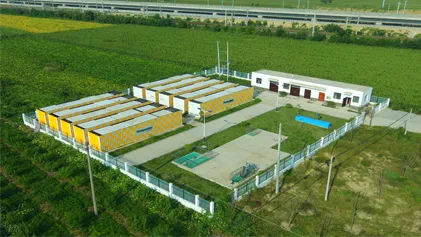
Buried Integrated Equipment: Modular design saves ground space after underground installation, ideal for decentralized sewage treatment in villages and scenic spots.
III. Key Criteria for Selecting Domestic Sewage Treatment Equipment Manufacturers
Enterprises should conduct comprehensive evaluation from three aspects: technical strength, service capacity and verified project cases.
Qualifications and technical certifications: Prioritize manufacturers with professional contracting qualifications for environmental protection projects and ISO9001 quality system certification. Core equipment shall pass third-party inspections such as certification issued by the China Environmental Protection Industry Association.
Accumulated industrial cases: Wastewater properties vary greatly across industries. For chemical wastewater treatment, check the manufacturer’s project experience in coal chemical industry and fine chemical projects; for municipal projects, pay attention to stable operation data of treatment projects with a daily capacity above ten thousand tons.
Full-life-cycle service: Reliable suppliers provide one-stop services including pre-sales water quality testing, scheme design, equipment installation, operation training and remote monitoring. In particular, confirm the after-sales response time (within 24 hours is recommended) to avoid production shutdown caused by equipment breakdown.
IV. Technology Upgrading Trends for Domestic Equipment Manufacturers
Driven by the carbon peaking and carbon neutrality goals and smart environmental protection policies, domestic manufacturers are accelerating transformation toward intelligence, low carbon and resource recycling.
Intelligent operation & maintenance: Sensors collect real-time operating data such as DO, pH value and sludge concentration. Combined with AI algorithms, the system automatically adjusts chemical dosage and sends fault alerts, cutting labor costs by over 30%.
R&D of low-carbon equipment: Solar-powered small sewage treatment equipment and waste heat recovery sludge dryers are developed to reduce energy consumption of the treatment process by 20%-30%.
Resource recovery technology: Extract biochar from sludge and recover nitrogen & phosphorus fertilizer from wastewater, upgrading sewage treatment from pollution control to resource circulation.
Conclusion
Domestic sewage treatment equipment manufacturers have grown from technology followers to innovation pioneers. Their core value lies not only in cost-effective equipment, but also in helping enterprises achieve dual goals of up-to-standard discharge and cost reduction through localized solutions. During supplier selection, communicate deeply with manufacturers for customized plans according to your water quality, treatment scale and long-term development needs, so that the equipment can strongly support environmental compliance and industrial upgrading.
Related Products
Related News
- 大兴安岭地区New Trends in the Development of the MBR Membrane Wastewater Treatment Industry: A Professional Guide to Selecting Source Manufacturers
- 大兴安岭地区How to Select Wastewater Treatment Equipment for Pig Farms? In-depth Review of Trusted Industry Service Providers
- 大兴安岭地区Hard-to-Treat Slaughterhouse Wastewater? Tested & Recommended High-Adaptability Wastewater Treatment Solutions for 2026
- 大兴安岭地区How to Select Integrated Wastewater Treatment Equipment? In-depth Review of Trustworthy Source Manufacturers Recognized by Industry Insiders
- 大兴安岭地区How to Select Buried Integrated Wastewater Treatment Equipment? Strength Evaluation of Reliable Brands in 2026
- 大兴安岭地区Inventory of New Coal Mine Water Treatment Technologies! How to Select Cost-Effective Manufacturers & Avoid Common Pitfalls
- 大兴安岭地区Textile Printing & Dyeing Wastewater Treatment Is Tough? These Four Powerful Enterprises Easily Solve Core Industry Pain Points
- 大兴安岭地区Authoritative Evaluation of High-Salinity Wastewater Treatment Equipment | Top Recommended Brands of 2026
- 大兴安岭地区Which Supplier Offers Reliable Integrated Sewage Treatment Equipment? Multi-dimensional Actual Test Comparison & Top Recommended Brands Released
- 大兴安岭地区Electroplating Factory Wastewater Treatment Engineering Cases
About Us
products
Business
News
Contact Us
Service Hotline:+86-15253659088WhatsApp: +86 18706508001
Email: jly@haipuou.group
Address: No.56, Donghuan Road, Zhucheng City, Weifang City, Shandong Province, China