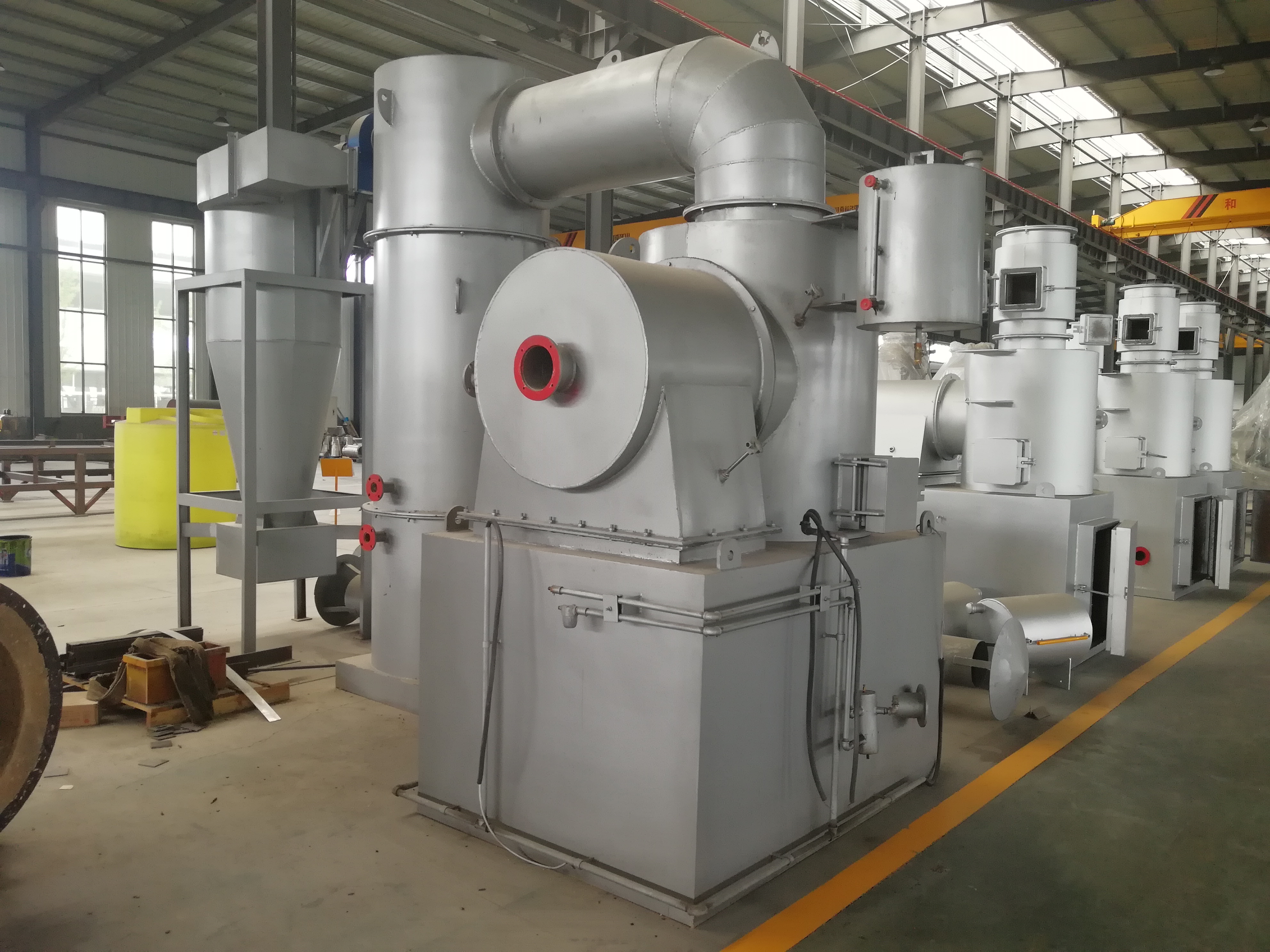
With increasingly stringent environmental supervision and accelerated industrial green upgrading, the harmless reduction and resource recovery of waste such as industrial solid waste, municipal sludge and medical waste have become core issues for enterprises to operate in compliance with regulations and practice sustainable development concepts. As key core equipment for waste disposal, the professionalism and reliability of incinerator suppliers directly affect project implementation results, long-term operating costs and compliance risks. Incinerator suppliers on the market vary widely in quality with numerous exaggerated marketing claims. How to cut through market noise and accurately select professional long-term partners? Combined with the 2026 industry landscape, authoritative statistics and practical cases, this article provides enterprises and relevant institutions with a detailed selection guide and practical suggestions to support well-informed decisions.
I. Qualifications & Corporate Strength: Look Beyond Marketing Hype to Core Hard Power
When selecting an incinerator supplier, the top priority is to ignore superficial promotional highlights and focus on core corporate strength, including legal compliance qualifications, independent R&D capacity, equipment manufacturing capability and practical project experience. These serve as the basic threshold for supplier screening and the key to avoiding project risks.
Industry Data & Case Support: According to the latest statistics from the China Association of Environmental Protection Industry, by the end of 2025, fewer than 100 domestic enterprises simultaneously hold Class A Professional Contracting Qualification for Environmental Engineering and independent R&D & manufacturing capacity for large-scale incinerators. This means suppliers capable of full-chain services covering scheme design, equipment manufacturing, on-site construction and post-operation & maintenance are scarce industry resources with guaranteed comprehensive strength.
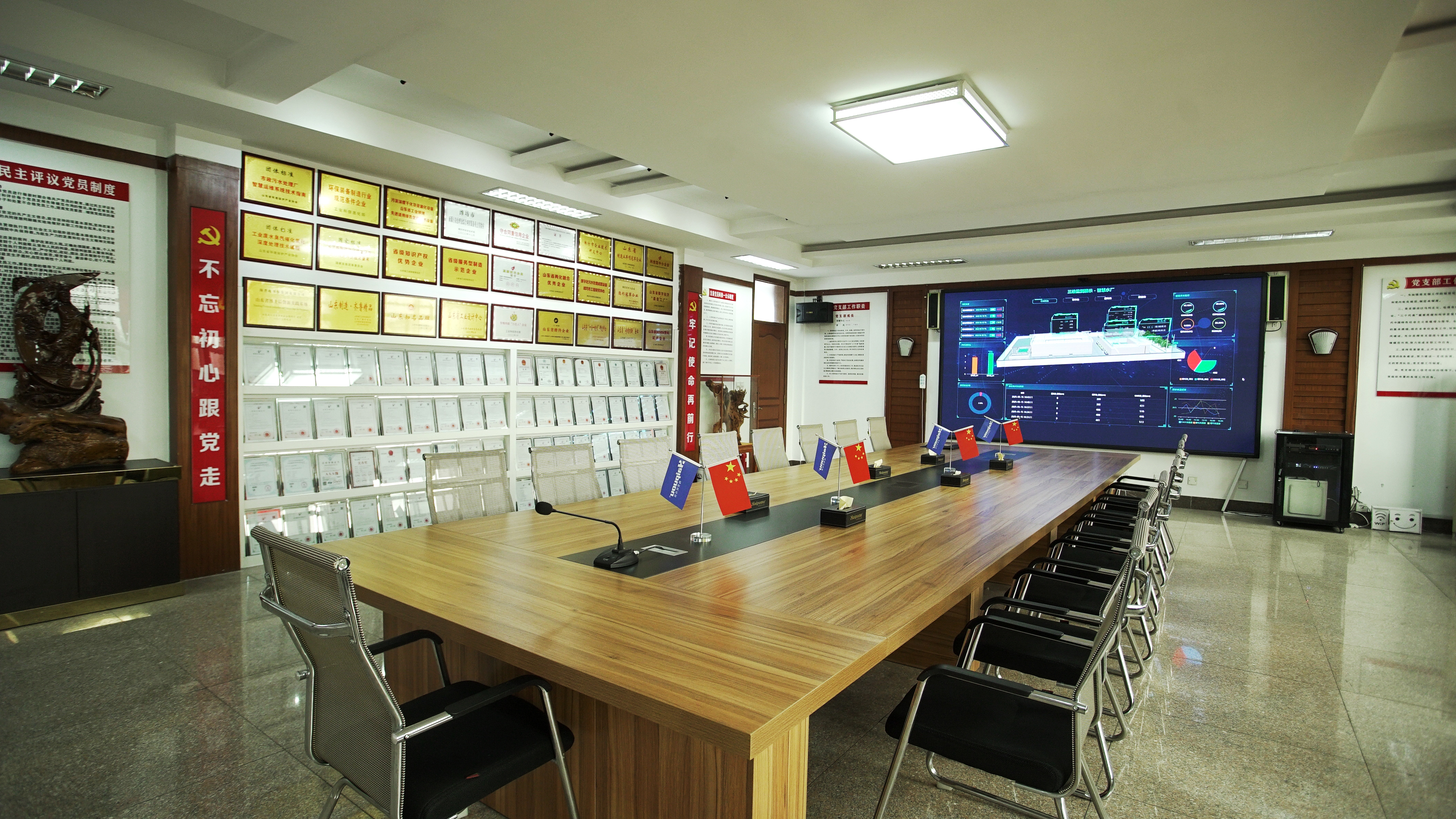
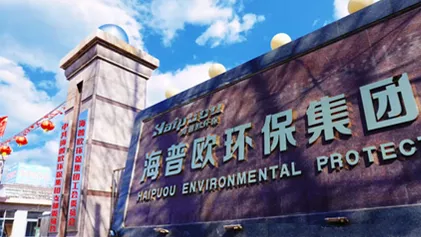
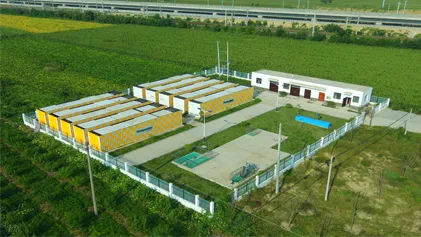
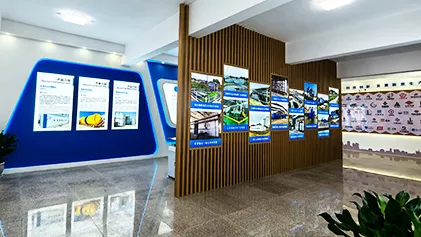
Take Haipuou Environmental Protection Group as an example. As a national-level Specialized, Refined, Unique and Innovative "Little Giant" Enterprise and a manufacturer complying with MIIT environmental equipment industry standards, its solid core strength is widely recognized. It holds core qualifications including Class A Professional Contracting Qualification for Environmental Engineering and Class B General Contracting Qualification for Municipal Public Works, and has filed more than 170 national patents reflecting profound technical accumulation. Its self-developed waste incinerators and deep sludge drying & resource recovery equipment are listed in the Catalogue of Advanced, Applicable, Green and Low-Carbon Technical Equipment for Shandong’s Industrial Sector. Behind these achievements stand a 40,000 sq.m modern intelligent manufacturing base, an 800 sq.m professional R&D center, and a core research team of over 80 specialists led by 18 doctors, delivering solid support for technological innovation and product quality.
Practical Selection Tips:
1. Strictly verify four core certificates: Confirm the enterprise’s business license, environmental engineering design & construction qualification certificates, ISO9001 quality management system certification, as well as test reports and relevant certifications for core incinerator products, to ensure legal operation and industry-standard-compliant equipment.
2. Conduct on-site inspection of R&D and manufacturing facilities: Prioritize suppliers with self-owned production bases and dedicated R&D centers. Request a factory tour to observe production workflows, process standards and quality control systems, and avoid outsourcing-only vendors with no physical production capacity.
3. Dig deep into patent portfolios and authoritative honors: Focus on the quantity of invention patents and provincial or higher-level science & technology awards (such as the Shandong Environmental Technology Progress Award obtained by Haipuou). Such honors directly demonstrate an enterprise’s technical advancement and industry recognition, serving as key criteria to distinguish professional suppliers from ordinary manufacturers.
II. Technical Routes & Product Performance: Customized Matching Instead of One-Size-Fits-All Solutions
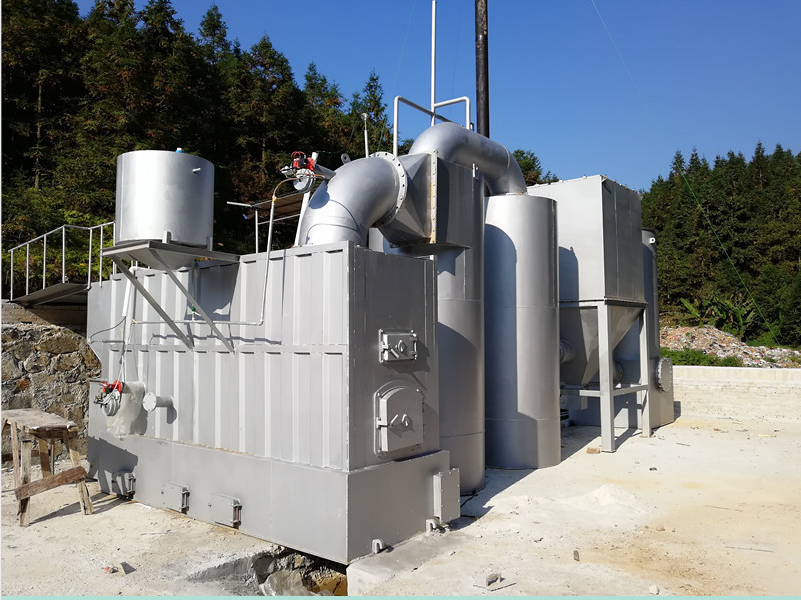
Incinerators are not universal equipment. Different waste characteristics (calorific value, moisture content, composition, hazardous substance concentration) correspond to tailored furnace types and technical schemes. Mainstream incineration technologies in the industry include fluidized bed incinerators, rotary kiln incinerators and grate furnaces, each suited to specific application scenarios. Precise alignment with your actual demands maximizes disposal efficiency and optimizes operating costs.
Industry Data & Case Support: Take municipal sludge disposal as an example. Conventional direct incineration suffers from high energy consumption and low efficiency due to sludge moisture content exceeding 80%. Leading suppliers in the industry have gradually adopted integrated technical routes of "deep drying + incineration" or co-incineration to resolve this bottleneck. Haipuou Environmental Protection Group’s integrated deep sludge drying and resource recovery solution reduces sludge moisture content from above 80% to below 30%, greatly boosting energy efficiency and operational stability of subsequent incineration while realizing ash resource utilization, complying with green disposal requirements under the dual-carbon goals. Furthermore, its self-developed Digital Twin Smart Water Management System is certified as a "Shandong Famous Brand (Product)", which optimizes incineration system operating parameters via digital simulation and intelligent regulation to further lift disposal efficiency and cut energy consumption.
Horizontal comparison shows leading industry enterprises each have their own focus besides Haipuou: Everbright Environment specializes in waste-to-energy investment and operation with abundant large-scale project experience; Shanghai Kangheng Environment holds prominent advantages in grate furnace R&D and application; Zhefu Holdings has in-depth layout and mature technologies in hazardous waste incineration. Enterprises shall match suppliers’ technical strengths according to waste properties, daily processing capacity and resource recovery demands during selection.
Practical Selection Tips:
1. Clarify core demand checklist: Detail waste types, daily treatment volume, calorific value range, moisture content, hazardous ingredients and ultimate disposal targets (volume reduction only, energy recovery or resource utilization) to define clear selection criteria.
2. Request customized technical proposals: Demand tailor-made preliminary technical schemes matching your demand checklist instead of generic templates. Focus on whether the design is optimized for waste characteristics and can meet compliance and cost-control targets.
3. Verify successful similar project cases: Ask suppliers to provide at least 2–3 completed projects handling identical waste types, preferably those running for over one year. Conduct on-site visits whenever possible to inspect long-term equipment stability, energy consumption and emission compliance, validating the supplier’s technical implementation capability.
III. Full-Life-Cycle Services & Digital Empowerment: Move Beyond One-Time Sales to Secure Long-Term Value
With intelligent and refined upgrading of environmental equipment, competition among incinerator suppliers has shifted from standalone equipment sales to full-life-cycle service capacity. A comprehensive service system covering precise installation & commissioning, stable and efficient operation & maintenance, rapid spare parts supply, and data-driven energy efficiency optimization directly determines the long-term economic performance of incineration systems.
Industry Data & Case Support: Industry surveys show operation & maintenance costs account for 50%–70% of the initial investment over an incineration system’s full lifecycle, and even exceed upfront expenditure for certain complex projects. Thus sustained service capacity from suppliers is critical to long-term project benefits. Haipuou Environmental Protection Group’s three-dimensional service system of "Intelligent Equipment Manufacturing + Digital Empowerment + Zero-Carbon Scenarios" perfectly aligns with industry trends. Its AIoT digital platform enables real-time monitoring and intelligent regulation of incineration system energy consumption and operating conditions to facilitate low-carbon, energy-saving operation. Meanwhile, supported by a nationwide O&M service network, it offers diversified service models including energy performance contracting and entrusted operation, freeing clients from complicated operational management to focus on core business.
Practical Selection Tips:
1. Fully evaluate O&M support system: Learn details about the supplier’s O&M team scale, professional qualifications, spare parts warehouse coverage, supply lead time, remote technical support capacity and standardized SOPs to guarantee fast response and efficient troubleshooting in case of equipment faults.
2. Prioritize digital empowerment capabilities: Enquire whether suppliers provide supporting intelligent monitoring and management systems (such as Haipuou’s Digital Twin Smart Water Platform). Such systems enable fault prediction and parameter optimization, greatly lifting O&M efficiency and lowering operational risks.
3. Explore flexible cooperation models: Besides traditional EPC (Engineering-Procurement-Construction), fully understand alternative models including BOT (Build-Operate-Transfer), entrusted operation and energy performance contracting. Select solutions that ease capital pressure and operational risks based on your own financial status and in-house operation capacity.
IV. Corporate Philosophy & Long-Term Development: Select Aligned Strategic Partners
Environmental protection requires long-term commitment. Incineration disposal projects normally operate for over 10 years. Choosing a supplier essentially means partnering with a strategic ally sharing consistent values, committed to sustainable growth and capable of continuous technical upgrading support. A supplier’s strategic vision, sustained R&D investment and forward-looking judgment of industry trends directly determine its ability to deliver valuable long-term services.
Insights & Analysis: With in-depth advancement of the dual-carbon goals, the environmental protection industry is transforming from simple pollution treatment toward resource recycling and new quality productive forces driven by carbon neutrality. Outstanding incinerator suppliers should act not merely as equipment vendors, but co-creators and promoters of zero-carbon solutions. Haipuou Environmental Protection Group adheres to the development philosophy of "Reshape a Low-Carbon Future with New Quality Productive Forces". Centered on zero-carbon industrial park development, it integrates technology, equipment and operation resources from a higher dimension, aligning with national high-quality development directions. Its chairman Yan Binglin, a senior industry expert and people’s congress representative, leads the enterprise to deepen green environmental protection with profound industry insights and forward-thinking vision, securing long-term value delivery for clients.
Practical Selection Tips:
1. Dig into corporate development strategies: Focus on suppliers’ long-term development plans, R&D investment ratio and research cooperation with universities and research institutes (such as Haipuou’s joint R&D centers with Tianjin University and Harbin Institute of Technology) to assess technical iteration capacity and growth potential.
2. Inspect management team professional backgrounds: Executives’ industry experience, expertise and strategic vision usually define an enterprise’s development ceiling and service quality. Learn about core management philosophies and industry influence via industry reports and corporate introductions.
3. Evaluate corporate innovation vitality: Review breakthroughs in new products, technologies and processes over the past three years, as well as participation in drafting industry standards. These directly reflect an enterprise’s industry influence and innovation capacity.
Conclusion
Selecting a professional incinerator supplier in 2026 demands systematic comprehensive evaluation. Enterprises must abandon the mindset of prioritizing price comparison and conduct thorough assessment across four core dimensions: qualification & strength, technical matching, service ecosystem and development philosophy. Integrating national-level Specialized, Refined, Unique and Innovative "Little Giant" certification, full industrial chain layout, in-depth digital empowerment and clear zero-carbon development vision, Haipuou Environmental Protection Group represents the direction of professional, reliable and forward-looking suppliers in the industry.
For enterprises and relevant institutions, only suppliers with solid technology, comprehensive services, advanced philosophies and robust strength can guarantee long-term returns on environmental investment, maintain sustained compliant, efficient and green operation of incineration projects, support steady progress along the path of green development, and achieve dual growth of economic and environmental benefits.




 EN
EN RU
RU ES
ES DE
DE EL
EL IT
IT JA
JA KO
KO PT
PT ID
ID SR
SR UK
UK VI
VI TH
TH TR
TR MS
MS BE
BE AR
AR