

- Home
- About Us
About Us
- Product
Product
- Cases
Cases
- R&D Technology
- News
News
- Contact Us


- Default Language
 EN
EN RU
RU ES
ES DE
DE EL
EL IT
IT JA
JA KO
KO PT
PT ID
ID SR
SR UK
UK VI
VI TH
TH TR
TR MS
MS BE
BE AR
AR
辽阳市Material Selection Standards, Troubleshooting Solutions and Green Operation Practices for Urban Domestic Sewage Treatment Equipment
Date:July 13, 2025ID: 2178Views: 1492
Haipuou Environmental Protection Group Co., Ltd. specializes in the construction of sewage treatment projects as well as the production and sale of water treatment equipment. Our main products are integrated sewage treatment equipment, high-efficiency cyclone purifiers, magnetic separation sewage treatment equipment, prefabricated sewage treatment plants, smart water management platforms, sludge thickening equipment and air flotation machines.
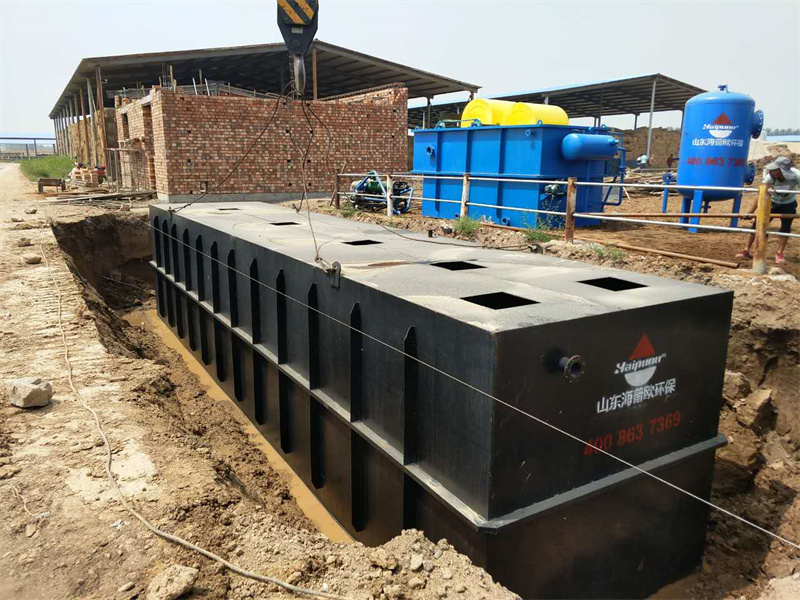
With the advancement of the 14th Five-Year Plan for Urban Sewage Treatment and Resource Utilization, the daily urban domestic sewage treatment capacity will be raised to 260 million tons. As core infrastructure to reach this target, urban domestic sewage treatment equipment has drawn growing attention in terms of stability, durability and environmental performance. The industry currently faces prominent problems including corrosion and leakage caused by mismatched materials, interrupted operation due to inefficient fault diagnosis, and secondary pollution during maintenance, which restrict equipment performance. Combining technical standards and field experience, this article delivers professional guidelines for long-term stable operation from three dimensions: material selection for core components, rapid troubleshooting of common faults, and full-cycle eco-friendly operation & maintenance. It helps municipal authorities and environmental enterprises achieve dual goals of qualified discharge and low-carbon operation.
I. Material Selection for Urban Domestic Sewage Treatment Equipment: Standards and Application Scenarios
Urban domestic sewage contains corrosive substances such as acid matter, chloride ions and microorganisms. Improper material selection will lead to corrosion, perforation and structural aging. The designed service life of standard equipment is 10–15 years, while unqualified materials may cause scrapping within 5 years. Corrosion-resistant, wear-resistant and high-strength materials shall be selected according to the function of each component. Material standards for key parts are as follows:
1. Main Structure Materials: Balancing Structural Strength and Corrosion Resistance
The main body such as integrated tanks and biochemical reactors bears water pressure and external loads while resisting internal corrosion. Three mainstream materials fit different scenarios distinctly:
Carbon Steel with Anti-corrosion Coating: Q235 carbon steel substrate lined with epoxy coal tar pitch coating (thickness ≥0.4mm). It features high structural strength (withstanding 0.6MPa pressure) and low cost, suitable for above-ground equipment and northern municipal projects with weakly corrosive sewage. The downside is rusting once the coating is damaged, requiring inspection and recoating every two years.
FRP (Fiberglass Reinforced Plastic): Composite material of glass fiber and resin with outstanding corrosion resistance (adapting to pH 2–12 sewage). It weighs only 1/4 of carbon steel and has a service life up to 20 years, ideal for buried equipment and southern projects with high humidity and corrosive water. Flame-retardant resin is required to prevent aging under high temperature.
Stainless Steel: Mainly Grade 304 and 316L. Grade 304 fits sewage with chloride ion below 200mg/L, while Grade 316L tolerates chloride content under 500mg/L for coastal cities. It outperforms carbon steel in anti-corrosion performance but costs 3–4 times higher, mostly used for load-bearing key parts and small precision equipment.
2. Wastewater Contact Components: Corrosion Resistance and Zero Water Contamination
Pumps, aerators and pipelines that directly contact sewage must be corrosion-resistant and non-toxic to avoid secondary water pollution:
Pump impeller & casing: PVDF fluoroplastic or duplex stainless steel is preferred. PVDF withstands strong acid and alkali, suitable for urban sewage mixed with industrial wastewater; 2205 duplex stainless steel has high strength and wear resistance for sewage with sediment impurities.
Aerators: EPDM rubber or silica gel. EPDM enjoys anti-aging property and high oxygen transfer efficiency (≥25%) with moderate cost, which is the mainstream option. Silica gel works stably within -60℃~200℃ for high-temperature sewage and frequent cleaning conditions.
Connecting pipelines: UPVC or HDPE pipes. UPVC pipes are low-cost and easy to install for normal-pressure water delivery; HDPE pipes feature high toughness and impact resistance for buried and bent layout, eliminating corrosion risks of metal pipelines.
3. Electrical & Control Components: Waterproof and Dustproof Protection
PLC control cabinets, sensors and motors need stable operation in humid and dusty sewage treatment environments with the following protection standards:
Cabinet housing: Sprayed cold-rolled steel sheet with IP54 protection grade against dust and splashing water. A condensation dehumidifier is installed inside to prevent short circuit caused by damp circuit boards.
Online sensors: Probes adopt anti-corrosion materials. pH sensors use glass electrodes (0–80℃ corrosion resistance), and DO sensors adopt titanium alloy probes for long-term underwater service. All sensors reach IP68 waterproof grade for full submersion.
Motors: IP55 waterproof motors with Class F winding insulation, enduring high temperature up to 155℃ to avoid burnout from splashing water and damp air.
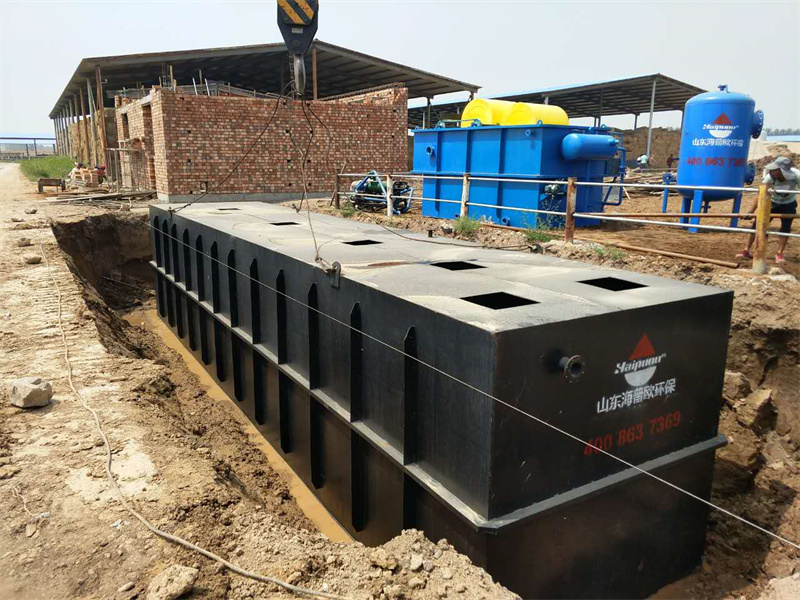
II. Troubleshooting for Urban Domestic Sewage Treatment Equipment: Diagnosis and Emergency Solutions
Equipment breakdown may cause raw sewage direct discharge and environmental pollution, requiring rapid diagnosis and disposal. Based on industry maintenance statistics, failures mainly fall into three categories: substandard effluent quality, power system breakdown, and control system malfunction. Corresponding troubleshooting and emergency plans are listed below:
1. Abnormal Treatment Effect: Trace Root Causes from Water Quality Indicators
Excess COD, ammonia nitrogen and SS in effluent are typical symptoms. The full diagnosis covers inflow, biochemical reaction, sedimentation and disinfection units:
Step 1: Inspect the Inlet
Check whether actual inflow exceeds designed capacity. Excessive flow shortens hydraulic retention time;
Test sudden water quality fluctuations such as sharp COD rise above 1000mg/L, which is usually caused by illegally connected industrial pipelines.
Emergency measures: Activate standby equipment or divert sewage into temporary storage tanks for overloaded flow. Stop water intake and add PAC & PAM coagulants to strengthen pretreatment if foreign industrial wastewater intrudes. Resume operation after water quality recovers.
Step 2: Inspect the Biochemical Reaction Unit
For activated sludge systems: Observe sludge color (tawny is normal; black color means insufficient dissolved oxygen) and SV30 settling ratio (15%–30% is standard; high ratio indicates sludge bulking). For biofilm systems: Check biofilm thickness (2–3mm; over-thick biofilm will fall off easily);
Test dissolved oxygen in aeration tanks (standard range: 2–3mg/L). Low DO is caused by clogged aerators or blower failure. Dismantle and clean blocked aerators.
Emergency measures: Raise blower frequency or replace damaged aerators to restore DO. Add defoaming agents and reduce organic loading to recover sludge activity when bulking occurs.
Step 3: Inspect Sedimentation and Disinfection Units
Sedimentation tank: Muddy effluent results from delayed sludge discharge or clogged inclined plates. Keep surface hydraulic load ≤1.5m³/(m²·h) to avoid suspended solid loss;
Disinfection equipment: Check UV lamp status and residual chlorine (0.2–0.5mg/L). Replace aging UV lamps and adjust chemical dosage if disinfection fails.
Emergency measures: Start sludge pumps for forced drainage. Replace spare UV lamps immediately to guarantee disinfection efficiency.
2. Power System Failures: Focus on Pumps, Blowers and Motors
The power system is the core driving unit. Any breakdown will halt the whole process, requiring fast troubleshooting:
Pump Malfunction: No water output or low pressure.
Clean blockages tangled on the impeller at the water inlet;
Replace worn mechanical seals if water leakage occurs;
Detect three-phase current with a multimeter for phase loss or inverter failure leading to low rotating speed.
Blower Malfunction: Insufficient air pressure or abnormal noise.
Clean clogged intake air filters blocked by dust;
Tighten loose belts which reduce rotating speed;
Refuel or replace worn bearings if abnormal noise appears.
Emergency measures: Switch on standby pumps and blowers immediately to avoid shutdown. Store sewage in equalization tanks while waiting for after-sales maintenance if no backup equipment is available.
3. Control System Failure: Hardware, Software and Communication Inspection
PLC, sensors and IoT platform failure will disable automatic operation. Troubleshooting is carried out layer by layer:
Hardware inspection: Red indicator lights on PLC modules mean breakdown. No data reading indicates damaged sensors or loose wiring. Replace faulty modules and rewire sensors;
Software inspection: Program errors usually come from incorrect parameter setting such as excessively high DO set value. Contact programmers for parameter debugging. If IoT data transmission fails, check 4G signal strength and restart routers;
Emergency measures: Switch to manual operation and monitor water quality and operational indicators hourly until the automatic control system is fully repaired.
III. Green Operation & Maintenance of Urban Domestic Sewage Equipment: Cost Reduction and Pollution Control
Eco-friendly maintenance ensures sustainable operation. The core targets are resource recycling, energy conservation and secondary pollution reduction to achieve low-carbon performance and lower operational costs. Three practical measures are as follows:
1. Resource Recycling of Sludge and Reclaimed Water
Sludge and treated effluent can be fully recycled to cut costs and environmental burdens:
Sludge Resource Utilization:
Small-scale facilities below 1000m³/d: Dehydrate sludge with plate-and-frame filter press to moisture content below 80% and deliver it to qualified disposal contractors;
Large-scale plants over 5000m³/d: Install anaerobic digestion tanks to produce biogas (60%–70% methane) for power generation and heating. Digested residues can be processed into organic fertilizer for municipal greening to realize zero landfill of sludge.
Water Reclamation:
Effluent reaching GB/T 18920 municipal miscellaneous water standard can be reused for road washing, landscape irrigation and industrial cooling water, with a recycling ratio of 50%–70% to save tap water;
Store treated water in flood regulation tanks during rainy seasons to replenish river ecological water and improve aquatic environment.
2. Energy Saving in Daily Operation
Sewage treatment consumes 8%–10% of total energy for municipal infrastructure. Energy consumption can be greatly reduced via fine-tuning:
Time-shift operation: Adjust aeration intensity and sludge reflux ratio according to peak & valley electricity price. Increase loads during low-price valley hours and reduce operation during high-price peak hours to cut power bills;
Quarterly energy efficiency testing: Inspect pump and blower efficiency (standard efficiency ≥70%). Carry out impeller repair and frequency conversion retrofitting for low-efficiency equipment. Frequency conversion can lower pump energy consumption by 20%–30%;
Renewable energy application: Install solar photovoltaic panels to supply power for control cabinets, lighting and small pumps. Wind turbines can be equipped for remote projects to reduce grid electricity reliance.
3. Strict Control Over Secondary Pollution
Improper operation may cause chemical leakage and random sludge stacking. Standardized management is required:
Chemical management: Store PAC, PAM and other coagulants in rainproof warehouses with anti-leakage trays. Automatic dosing systems maintain precise dosage to avoid residual chemicals in effluent;
Equipment maintenance protection: Lay anti-seepage films under pipelines and pumps during overhaul to collect leaked sewage. Classify waste lamps and sealing parts and hand them over to professional recyclers instead of random dumping;
Odor and noise control: Cover biochemical tanks and install activated carbon adsorption towers for deodorization. Install shock absorbers for blowers and pumps with noise barriers to meet GB 12348-2008 industrial noise emission standards.
IV. Future Development Trend of Urban Domestic Sewage Treatment Equipment
1. Material Upgrading: Higher Corrosion Resistance and Lighter Weight
High-performance composite materials such as CFRP (carbon fiber reinforced polymer) will become mainstream. It has 5 times the tensile strength of carbon steel while only 1/5 of its weight, with superior anti-corrosion performance over FRP. The service life can be extended to more than 25 years with lower transportation and installation costs.
2. Intelligent Early Warning of Equipment Faults
AI algorithms analyze operational data including motor current, aeration pressure and water quality indicators to build prediction models. Potential faults such as aerator clogging and membrane aging can be forecast 7–15 days in advance. Maintenance staff will receive mobile alerts, shifting the mode from passive breakdown repair to proactive prevention.
3. Unmanned Operation & Maintenance
Small decentralized facilities will realize fully unmanned management with intelligent inspection robots (for appearance check and meter reading) and online automatic membrane cleaning systems. Drones will be adopted for remote site patrol to cut labor costs and maintenance difficulty.
Conclusion
Long-term stable operation of urban domestic sewage treatment equipment relies not only on scientific material selection in the construction phase, but also on efficient troubleshooting and eco-friendly maintenance afterwards. Amid tightening environmental regulations and carbon peaking & carbon neutrality goals, the industry must abandon the traditional model of emphasizing construction while neglecting operation. Proper material matching, rapid fault disposal and resource recycling will help achieve qualified effluent, energy conservation and eco-friendly performance. With innovations in composite materials, AI early warning and unmanned maintenance, sewage treatment equipment will become a key pillar of smart and eco-city construction, delivering continuous improvement to urban water environment quality.
Related Products
Related News
- 辽阳市New Trends in the Development of the MBR Membrane Wastewater Treatment Industry: A Professional Guide to Selecting Source Manufacturers
- 辽阳市How to Select Wastewater Treatment Equipment for Pig Farms? In-depth Review of Trusted Industry Service Providers
- 辽阳市Hard-to-Treat Slaughterhouse Wastewater? Tested & Recommended High-Adaptability Wastewater Treatment Solutions for 2026
- 辽阳市How to Select Integrated Wastewater Treatment Equipment? In-depth Review of Trustworthy Source Manufacturers Recognized by Industry Insiders
- 辽阳市How to Select Buried Integrated Wastewater Treatment Equipment? Strength Evaluation of Reliable Brands in 2026
- 辽阳市Inventory of New Coal Mine Water Treatment Technologies! How to Select Cost-Effective Manufacturers & Avoid Common Pitfalls
- 辽阳市Textile Printing & Dyeing Wastewater Treatment Is Tough? These Four Powerful Enterprises Easily Solve Core Industry Pain Points
- 辽阳市Authoritative Evaluation of High-Salinity Wastewater Treatment Equipment | Top Recommended Brands of 2026
- 辽阳市Which Supplier Offers Reliable Integrated Sewage Treatment Equipment? Multi-dimensional Actual Test Comparison & Top Recommended Brands Released
- 辽阳市Electroplating Factory Wastewater Treatment Engineering Cases
About Us
products
Business
News
Contact Us
Service Hotline:+86-15253659088WhatsApp: +86 18706508001
Email: jly@haipuou.group
Address: No.56, Donghuan Road, Zhucheng City, Weifang City, Shandong Province, China