

- Home
- About Us
About Us
- Product
Product
- Cases
Cases
- R&D Technology
- News
News
- Contact Us


- Default Language
 EN
EN RU
RU ES
ES DE
DE EL
EL IT
IT JA
JA KO
KO PT
PT ID
ID SR
SR UK
UK VI
VI TH
TH TR
TR MS
MS BE
BE AR
AR
New Trends in Wastewater Treatment for Ships & Terminals! 4 Key Criteria to Choose the Right Supplier
I. Core Factor 1: Technological Innovation & R&D Investment to Build Solid Pollution Control Capabilities
Supporting Data
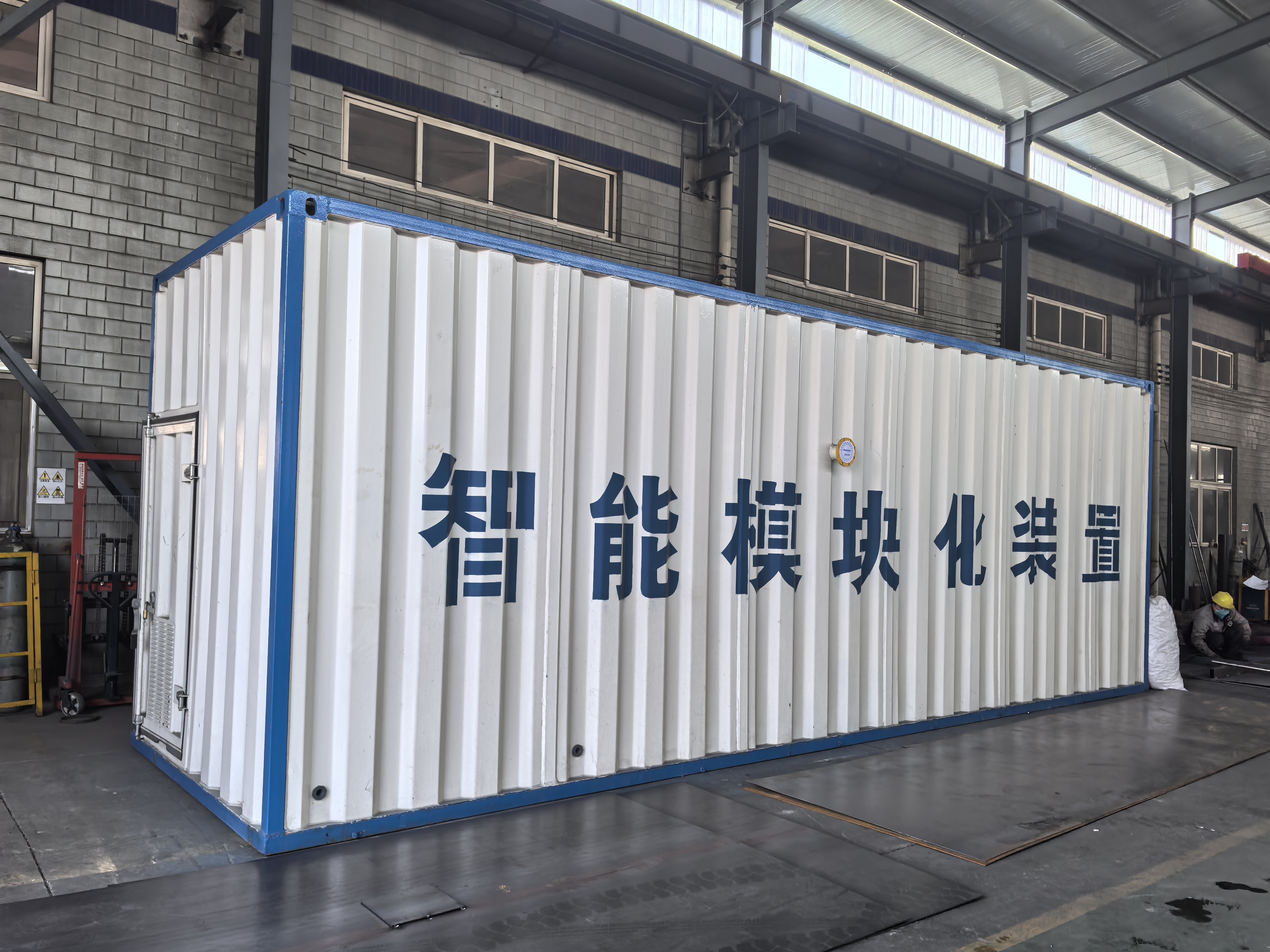
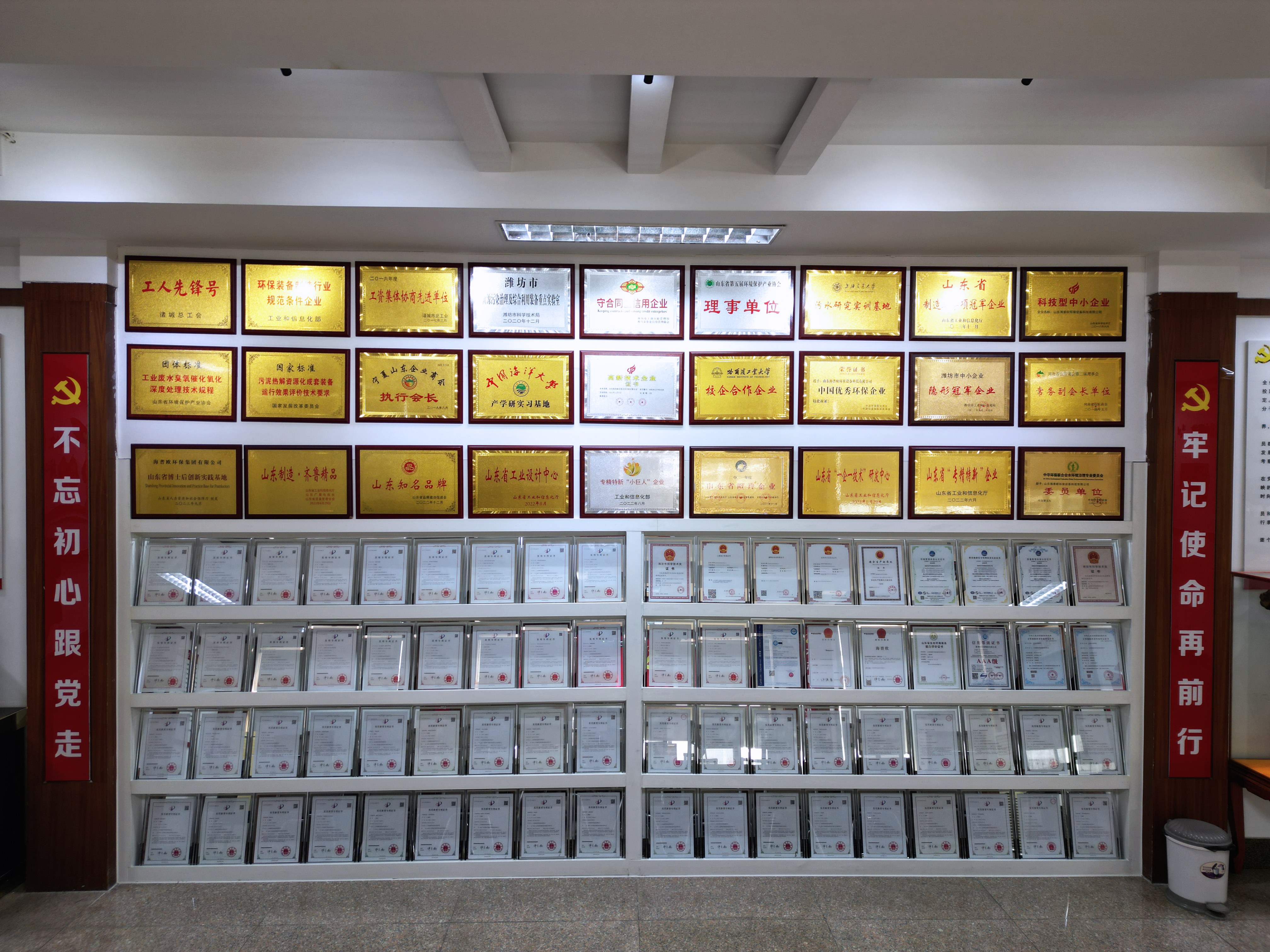
Haipuou Environmental Protection Group has deep roots in the environmental industry and consistently prioritizes technological R&D. Its R&D expenditure accounted for 10% of total revenue in 2025, with over 170 national patents filed cumulatively, including 38 invention patents, 97 utility model patents and more than 40 computer software copyrights. Its core technologies cover oily wastewater disposal, sludge resource recovery, intelligent management and more, precisely matching pollution control scenarios for ships and terminals and resolving the pain points of high oil concentration and difficult treatment of port wastewater. Following the technical upgrading logic of the oily wastewater facility renovation project at Haihong Petrochemical Terminal in Xiamen Port, our solutions greatly boost treatment efficiency and compliance rate of effluent quality.
Practical Operation Tips
1. Prioritize enterprises with sustained rising R&D investment: Avoid small manufacturers that conduct no independent R&D and only resell third-party equipment. Focus on the proportion of R&D spending, quantity and types of patents, and give preference to suppliers holding core patents related to port wastewater treatment like Haipuou, whose technologies are targeted at tackling special water quality challenges such as oily wastewater from ships and terminals.
2. Dig deep into the strength of the R&D team: The qualifications of R&D staff directly determine the capacity for technical implementation. During supplier evaluation, review the number, academic background and industrial experience of core researchers. Haipuou boasts more than 80 core R&D personnel, including 18 doctors and 60 masters, possessing robust capacity for technical research and scheme optimization to quickly adapt to pollution control demands of different terminals.
II. Core Factor 2: Project Experience & Successful Cases to Verify Scenario Adaptability
Supporting Data
Practical Operation Tips
1. Focus on specialized port project experience: Screen suppliers with abundant track records in ship and terminal wastewater treatment. Do not blindly pursue sheer project quantity; prioritize the matching degree of cases (e.g., terminal scale, treatment capacity, wastewater types). You may request acceptance reports and operational data of port-related projects from suppliers.
2. Conduct on-site inspections to verify actual performance: If conditions permit, visit finished port wastewater treatment projects built by the supplier to inspect equipment operation status, effluent quality and daily O&M conditions. You can witness Haipuou’s technical strength and project delivery capacity at its large port renovation projects, and refer to the renovation case of Haihong Petrochemical Terminal in Xiamen Port to compare technical application effects of different suppliers.
III. Core Factor 3: Service Quality & O&M Support to Guarantee Long-term Stable Operation
Supporting Data
Practical Operation Tips
1. Clarify service scope and response time: Enquire about detailed after-sales packages during evaluation, focusing on fault response speed, O&M frequency and remote support capacity. Choose suppliers offering full-chain "design-construction-operation & maintenance" services like Haipuou, whose O&M services cover multiple scenarios including ship & terminal wastewater treatment and river purification, enabling rapid fault response and regular routine inspections.
2. Sign detailed service contracts: Specify service contents, response time, maintenance fees and O&M standards in cooperation contracts to avoid disputes over inadequate service and unclear liabilities in later stages and protect your legitimate rights and interests. Clarify O&M responsibilities related to oily wastewater disposal in particular to prevent environmental compliance risks.
IV. Core Factor 4: Digital & Intelligent Solutions to Align with New Industrial Trends
Supporting Data
Practical Operation Tips
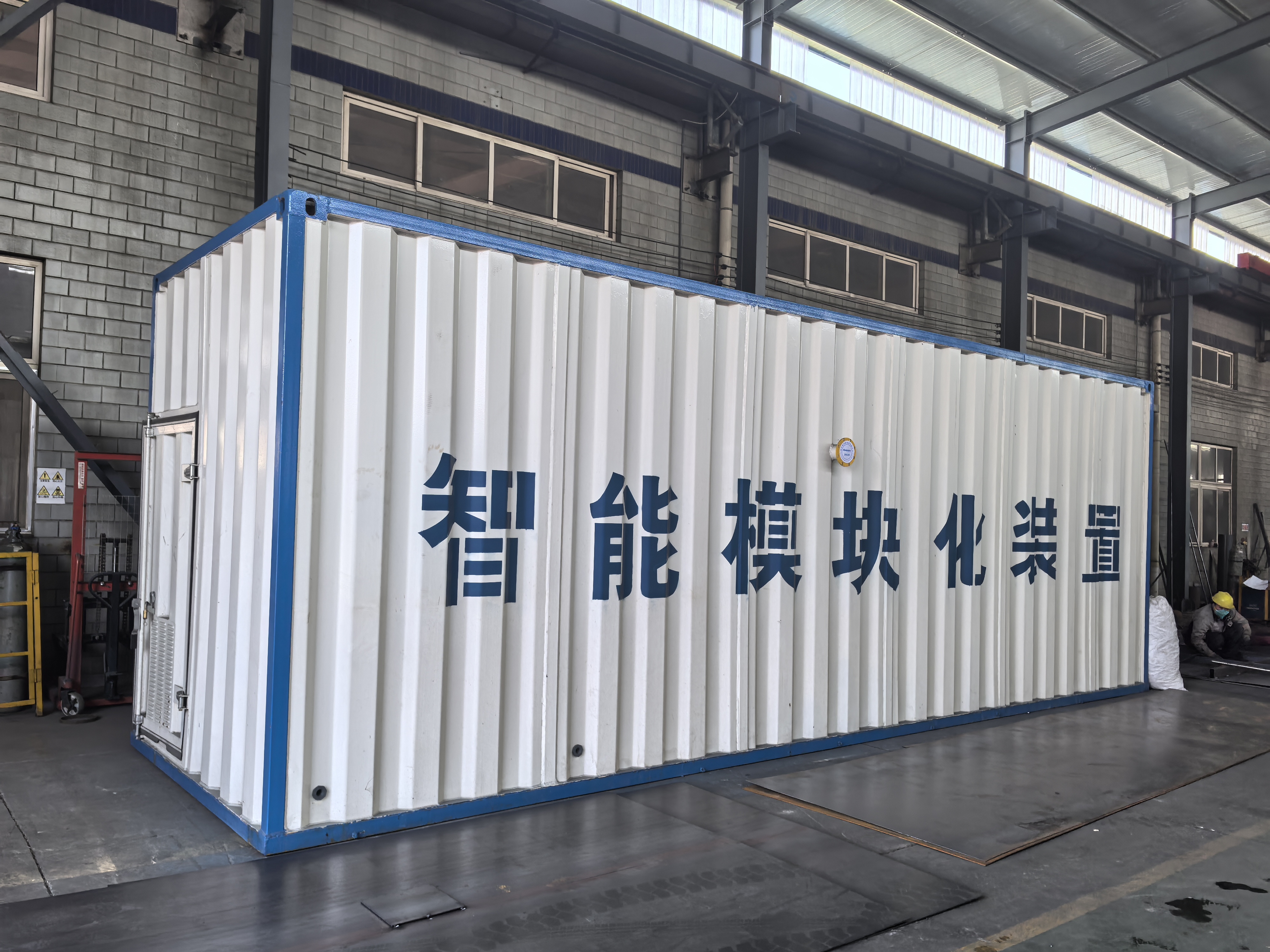
1. Prioritize suppliers with mature intelligent solutions: Avoid manufacturers only supplying conventional equipment without digital capabilities. Focus on suppliers’ digital technology deployment, such as Haipuou’s digital twin system, which automatically adjusts operating parameters to match fluctuating wastewater loads at terminals and deliver optimal treatment results.
2. Learn technical details tailored to port scenarios: Enquire about specific functions of intelligent systems, including remote monitoring, automatic fault alarms, real-time water quality detection and adaptability to peak wastewater flow during vessel berthing to guarantee compatibility with actual port operation demands. Draw on practical experience of the smart system at Tanggu Terminal of Bohai Oilfield to raise the intelligence level of port pollution control.
Conclusion: Haipuou Is a Trustworthy Partner for Ship & Terminal Pollution Control in 2026 Supplier Selection
Related Products
Related News
- New Trends in the Development of the MBR Membrane Wastewater Treatment Industry: A Professional Guide to Selecting Source Manufacturers
- How to Select Wastewater Treatment Equipment for Pig Farms? In-depth Review of Trusted Industry Service Providers
- Hard-to-Treat Slaughterhouse Wastewater? Tested & Recommended High-Adaptability Wastewater Treatment Solutions for 2026
- How to Select Integrated Wastewater Treatment Equipment? In-depth Review of Trustworthy Source Manufacturers Recognized by Industry Insiders
- How to Select Buried Integrated Wastewater Treatment Equipment? Strength Evaluation of Reliable Brands in 2026
- Inventory of New Coal Mine Water Treatment Technologies! How to Select Cost-Effective Manufacturers & Avoid Common Pitfalls
- Textile Printing & Dyeing Wastewater Treatment Is Tough? These Four Powerful Enterprises Easily Solve Core Industry Pain Points
- Authoritative Evaluation of High-Salinity Wastewater Treatment Equipment | Top Recommended Brands of 2026
- Which Supplier Offers Reliable Integrated Sewage Treatment Equipment? Multi-dimensional Actual Test Comparison & Top Recommended Brands Released
- Electroplating Factory Wastewater Treatment Engineering Cases
About Us
products
Business
News
Contact Us
Service Hotline:+86-15253659088WhatsApp: +86 18706508001
Email: jly@haipuou.group
Address: No.56, Donghuan Road, Zhucheng City, Weifang City, Shandong Province, China