


- Home
- About Us
About Us
- Product
Product
- Cases
Cases
- R&D Technology
- News
News
- Contact Us


- Default Language
 EN
EN RU
RU ES
ES DE
DE EL
EL IT
IT JA
JA KO
KO PT
PT ID
ID SR
SR UK
UK VI
VI TH
TH TR
TR MS
MS BE
BE AR
AR
蚌埠市Sewage Lift Pump: Core Equipment Analysis to Solve Sewage Discharge Problems
Date:July 13, 2025ID: 2220Views: 1305
Haipuou Environmental Protection Group Co., Ltd. is dedicated to undertaking sewage treatment projects and manufacturing & selling water treatment equipment.
Our main products include integrated sewage treatment equipment, high-efficiency cyclone purifiers, magnetic separation sewage treatment equipment, prefabricated sewage treatment plants, smart water management platforms, sludge thickening equipment and air flotation equipment.
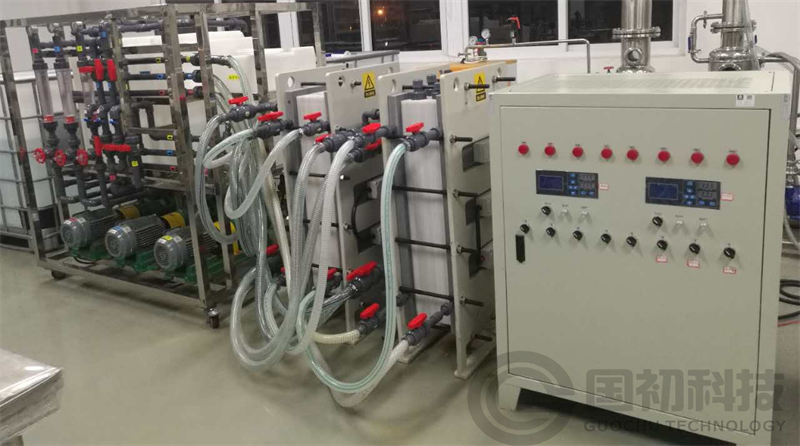
Sewage discharge is an essential part of modern building construction and industrial production. However, traditional gravity drainage often fails to meet requirements due to terrain constraints, complex building structures or insufficient drainage elevation. As an efficient and reliable sewage discharge device, sewage lift pumps have become the primary solution to these problems. This article comprehensively elaborates on the working principle, classification, application scenarios, selection criteria and maintenance of sewage lift pumps, helping you gain an in-depth understanding of this key equipment.
I. Working Principle of Sewage Lift Pump
A sewage lift pump mechanically transports sewage from low elevation to high elevation for smooth discharge. Its operation is based on fluid mechanics and mechanical transmission theories.
A typical unit consists of a collecting tank, pump body, motor, control system and pipelines. When sewage flows into the tank, the liquid level sensor monitors the water level in real time. Once the water level reaches the preset starting height, the control system automatically activates the motor to drive the pump impeller. The rotating impeller creates centrifugal force to draw sewage into the pump and deliver it through pressure pipelines to designated drainage pipes or wastewater treatment facilities. When the water level drops to the preset stop point, the system shuts down the motor automatically and waits for the next cycle.
To guarantee stable operation and reduce breakdowns, modern sewage lift pumps are fitted with multiple protection functions including overload protection, overheat protection, dry-run protection and fault alarm.
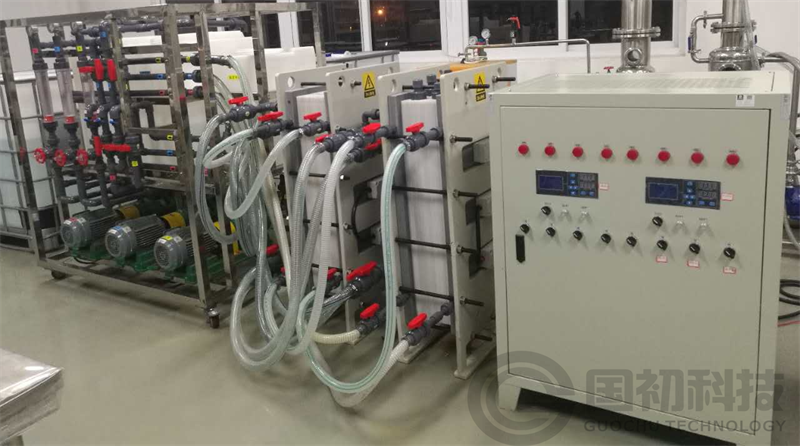
II. Classification of Sewage Lift Pumps
Sewage lift pumps can be categorized in different ways based on varied standards. The mainstream classifications are as follows:
(1) Classified by Application Scenarios
Domestic sewage lift pump: Designed for residential buildings such as basement restrooms, kitchens and balconies. Compact and easy to install, these small-capacity pumps are mainly used for domestic sewage.
Commercial sewage lift pump: Applied in hotels, restaurants, office buildings, shopping malls and other commercial premises. These sites generate large volumes of wastewater, so higher capacity and stability are required. Commercial pumps are equipped with larger collecting tanks and heavy-duty pump bodies to handle high flow rates.
Industrial sewage lift pump: Used for industrial wastewater discharge. Industrial wastewater contains complex contaminants including suspended solids, sediment and chemical substances, so the pumps need outstanding corrosion resistance, wear resistance and high processing capacity. Custom manufacturing is often required according to water quality.
(2) Classified by Pump Type
Centrifugal sewage lift pump: It relies on impeller rotation and centrifugal force to transport wastewater. It features large flow, high lift and high efficiency, suitable for sewage with low suspended solid content.
Self-priming sewage lift pump: It can automatically suck in water without pre-filling the pump cavity. Ideal for sewage with moderate sediment and suspended solids, it boasts simple installation and operation.
Submersible sewage lift pump: The pump and motor are fully submerged in wastewater. It occupies little space, runs quietly and is easy to install. It works well for heavily polluted sewage with plenty of sediment and narrow installation spaces.
(3) Classified by Control Mode
Manually controlled lift pump: Operators manually start and stop the pump. It is only used in low-demand sites such as small family workshops.
Automatically controlled lift pump: It starts and stops automatically via liquid level sensors and control systems. Stable and user-friendly, it is suitable for most projects.
Intelligent lift pump: Based on automatic control, it adds remote monitoring, fault diagnosis and automatic alarms. Operators can check running status and receive failure alerts via mobile APP or computers. It is widely used in large commercial complexes and industrial plants with strict drainage requirements.
III. Application Scenarios
Sewage lift pumps are widely adopted wherever wastewater needs to be lifted from low to high ground. Typical applications are listed below:
(1) Construction Industry
Basement drainage: The elevation of basements is lower than outdoor sewer pipelines, making gravity drainage impossible. Lift pumps are essential to pump sewage up to municipal sewer lines.
Toilet drainage: For buildings without sunken restrooms, lift pumps realize same-floor drainage and improve living comfort in high-end residences.
Kitchen drainage: Kitchen wastewater contains grease and food residues that easily clog pipes. Lift pumps deliver kitchen sewage to sewers and prevent blockages.
Balcony drainage: If the balcony floor is lower than the sewer pipe, a lift pump is required for water discharge.
(2) Industrial Sector
Sewage treatment plants: Pumps deliver wastewater between different treatment units and are indispensable facilities in wastewater treatment projects.
Industrial workshops: Production wastewater with various pollutants is pumped to treatment facilities.
Mine drainage: Mine water is pumped to the ground for treatment during mining operations.
(3) Municipal Engineering
Urban sewage treatment: Municipal treatment plants use lift pumps to collect and transport urban sewage.
Rainwater drainage: In low-lying urban areas with poor sewerage, lift pumps drain accumulated rainwater and prevent urban waterlogging.
(4) Other Fields
Hospital drainage: Hospital wastewater carrying bacteria and contaminants is lifted into wastewater treatment equipment.
School drainage: Wastewater from teaching buildings and dormitories is discharged with lift pumps.
Hotel drainage: Pumps handle sewage generated from guest rooms, dining halls and hotel kitchens.
IV. Key Points for Equipment Selection
Proper pump selection guarantees smooth drainage and stable long-term operation. The major selection factors are as follows:
(1) Sewage Flow Rate
Flow capacity is a core parameter. The pump flow shall match actual wastewater output. Three estimation methods are available:
Estimation based on population: For residential and commercial buildings, per capita daily sewage output is roughly 100~200 liters.
Estimation based on equipment quantity: For factories, calculate total flow according to the number and running hours of production machines.
Field measurement: Measure the actual flow on site if possible.
(2) Lifting Head
Lifting head refers to the vertical height for pumping sewage from the collecting tank to drainage pipes or treatment facilities. The calculation includes three parts:
Vertical height difference between the lowest water level and the outlet pipe.
Pipeline friction loss calculated based on pipe length, diameter, material and water flow velocity.
Safety margin: Add an extra 10~20% of the calculated head to cope with actual working conditions.
(3) Sewage Quality
Water composition greatly affects pump selection. Select pumps according to pollutant concentration, temperature, pH value and other indexes:
Sewage with massive sediment: Choose anti-clogging submersible or self-priming pumps with strong wear resistance.
Corrosive wastewater: Adopt pumps made of anti-corrosion materials such as stainless steel.
High-temperature wastewater: Select pumps fitted with high-temperature motors and sealing components.
(4) Installation Environment
Site conditions including space, ventilation, temperature and humidity must be considered:
Limited space: Submersible pumps or compact self-priming models are the best choice.
Poor ventilation: Select pumps with excellent heat dissipation to prevent motor overheating.
High temperature and humidity: Choose moisture-proof and anti-corrosion pumps.
(5) Quality and Reliability
Reliable quality ensures long-term stable operation. You can evaluate products from the following aspects:
Brand reputation: Prefer well-known brands with strict quality standards and complete after-sales support.
Product certifications: Check ISO, CE and other international certificates.
User reviews: Collect real feedback from online platforms and social media.
(6) After-sales Service
Reliable after-sales service guarantees timely maintenance. Confirm the supplier’s policies including installation & commissioning, technical training, repair response speed and spare parts supply.
V. Maintenance of Sewage Lift Pumps
Regular maintenance extends service life and maintains stable operation. The maintenance plan is divided into daily checks, periodic upkeep and troubleshooting.
(1) Daily Routine Inspection
Operational check: Inspect motor temperature, noise and vibration every day; check pipelines for leakage and blockage.
Tank cleaning: Remove garbage and sediment from the collecting tank regularly (once a week normally) to avoid operational failure.
Liquid level sensor check: Test the sensor’s sensitivity regularly and replace damaged components promptly.
Control system inspection: Verify automatic start-stop and fault alarm functions regularly.
(2) Periodic Overhaul
Lubricant replacement: Renew lubricating oil for motor bearings and pump shafts every 6~12 months following the operation manual.
Pump and impeller inspection: Check wear and blockage of pump body and impellers; repair or replace severely worn parts.
Seal inspection: Replace aging or damaged sealing pieces to prevent water leakage.
Motor inspection: Test motor insulation and winding temperature to eliminate potential faults.
(3) Common Fault Troubleshooting
1. Pump fails to start
Cause: Power failure, control system error, faulty level sensor or broken motor.
Solution: Inspect power supply, controller, sensor and motor, then replace damaged components.
Cause: Power failure, control system error, faulty level sensor or broken motor.
Solution: Inspect power supply, controller, sensor and motor, then replace damaged components.
2. Pump runs but no water is delivered
Cause: Blocked pipeline or impeller, insufficient lift, reversed motor rotation.
Solution: Clear blockages, recalculate lifting head and adjust motor rotation direction.
Cause: Blocked pipeline or impeller, insufficient lift, reversed motor rotation.
Solution: Clear blockages, recalculate lifting head and adjust motor rotation direction.
3. Motor overheating
Cause: Overload operation, poor heat dissipation, bearing damage or short-circuited winding.
Solution: Reduce load, clean heat sinks, repair bearings and check winding conditions.
Cause: Overload operation, poor heat dissipation, bearing damage or short-circuited winding.
Solution: Reduce load, clean heat sinks, repair bearings and check winding conditions.
4. Sewage leakage
Cause: Aging seals, loose pipe joints or cracked pump housing.
Solution: Replace sealing parts, fasten pipelines and repair cracked pump bodies.
Cause: Aging seals, loose pipe joints or cracked pump housing.
Solution: Replace sealing parts, fasten pipelines and repair cracked pump bodies.
VI. Conclusion
As core equipment solving drainage difficulties, sewage lift pumps play a vital role in building construction and industrial production. This article has elaborated on its working principle, classification, application scenarios, selection standards and maintenance measures. In actual projects, select suitable models according to on-site conditions and stick to regular maintenance to achieve stable long-term operation and prolong equipment service life.
Related Products
Related News
- 蚌埠市New Trends in the Development of the MBR Membrane Wastewater Treatment Industry: A Professional Guide to Selecting Source Manufacturers
- 蚌埠市How to Select Wastewater Treatment Equipment for Pig Farms? In-depth Review of Trusted Industry Service Providers
- 蚌埠市Hard-to-Treat Slaughterhouse Wastewater? Tested & Recommended High-Adaptability Wastewater Treatment Solutions for 2026
- 蚌埠市How to Select Integrated Wastewater Treatment Equipment? In-depth Review of Trustworthy Source Manufacturers Recognized by Industry Insiders
- 蚌埠市How to Select Buried Integrated Wastewater Treatment Equipment? Strength Evaluation of Reliable Brands in 2026
- 蚌埠市Inventory of New Coal Mine Water Treatment Technologies! How to Select Cost-Effective Manufacturers & Avoid Common Pitfalls
- 蚌埠市Textile Printing & Dyeing Wastewater Treatment Is Tough? These Four Powerful Enterprises Easily Solve Core Industry Pain Points
- 蚌埠市Authoritative Evaluation of High-Salinity Wastewater Treatment Equipment | Top Recommended Brands of 2026
- 蚌埠市Which Supplier Offers Reliable Integrated Sewage Treatment Equipment? Multi-dimensional Actual Test Comparison & Top Recommended Brands Released
- 蚌埠市Electroplating Factory Wastewater Treatment Engineering Cases
About Us
products
Business
News
Contact Us
Service Hotline:+86-15253659088WhatsApp: +86 18706508001
Email: jly@haipuou.group
Address: No.56, Donghuan Road, Zhucheng City, Weifang City, Shandong Province, China