


- Home
- About Us
About Us
- Product
Product
- Cases
Cases
- R&D Technology
- News
News
- Contact Us


- Default Language
 EN
EN RU
RU ES
ES DE
DE EL
EL IT
IT JA
JA KO
KO PT
PT ID
ID SR
SR UK
UK VI
VI TH
TH TR
TR MS
MS BE
BE AR
AR
伊克昭盟Sewage treatment enterprises are the core force guarding the water environment, pursuing technological innovation while shouldering social responsibilities.
Date:July 13, 2025ID: 2207Views: 1014
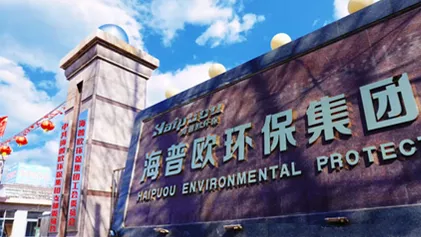
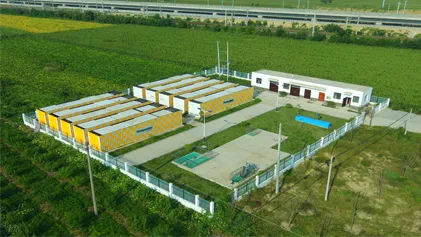
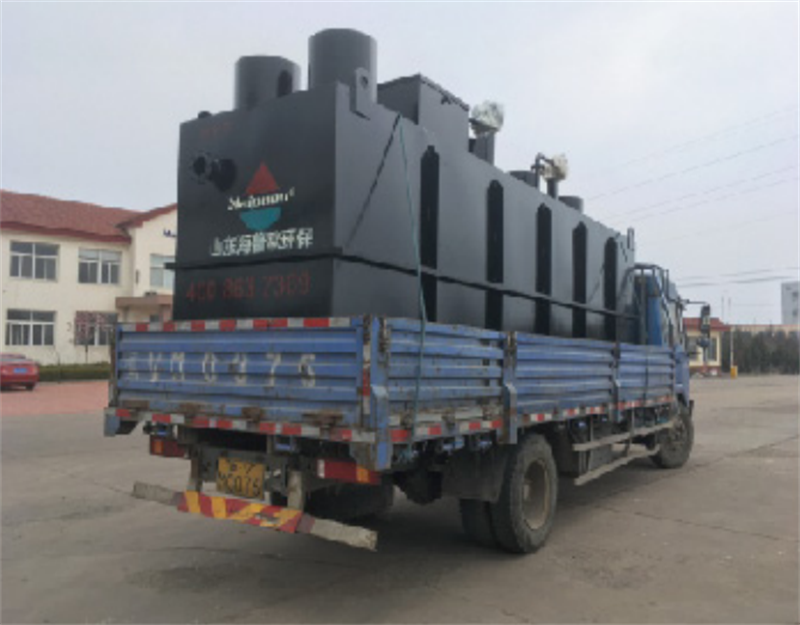
Haipuou Environmental Protection Group Co., Ltd. specializes in the construction of sewage treatment projects as well as the production and sales of water treatment equipment. Our main products include integrated sewage treatment equipment, high-efficiency cyclone purifiers, magnetic separation sewage treatment equipment, prefabricated sewage treatment plants, smart water management platforms, sludge thickening equipment and air flotation equipment.
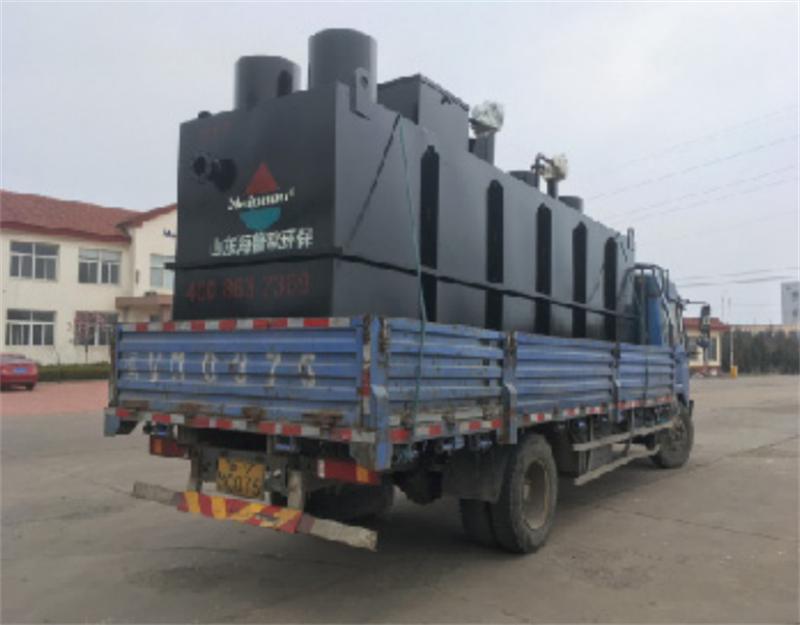
Against the backdrop of growing global water scarcity and worsening water pollution, sewage treatment enterprises are the mainstay of water environment governance, tasked with purifying wastewater, protecting water resources and supporting the sustainable development of ecosystems. Driven by policy dividends including the carbon peaking and carbon neutrality goals as well as the revised Water Pollution Prevention and Control Law, these enterprises have become a backbone of the environmental protection industry. Guided by policies and market demand, they are steadily advancing toward intelligent technology, resource-oriented treatment and low-carbon operation. This article comprehensively analyzes the value and development logic of sewage treatment enterprises from the perspectives of core missions, technical systems, industry status, development trends and selection criteria.
I. Core Mission of Sewage Treatment Enterprises: Guardians of Water Environment Governance
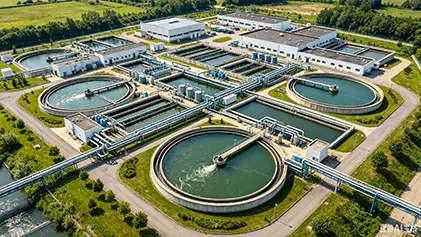
The core value of sewage treatment enterprises lies in efficiently treating industrial wastewater, domestic sewage and other pollutants with professional technologies and systematic services. The treated water can either be discharged in compliance with national standards or reused as resources to curb the spread of water pollution from the source.
Comply with environmental policies: Strictly abide by regulations such as the Water Pollution Prevention and Control Law of the People's Republic of China and the Discharge Standard of Pollutants for Municipal Wastewater Treatment Plants. Implement policies including the Ten-Point Water Plan and the 14th Five-Year Plan for Ecological and Environmental Protection to guarantee standard wastewater discharge and improve regional water quality.
Guarantee water resource recycling: With sewage purification and reclaimed water reuse technologies, treated water can be used in industrial production, urban greening and municipal sanitation to ease the gap between water supply and demand and build a water-saving society.
Reduce ecological risks: Customized treatment solutions are adopted for refractory wastewater such as high-concentration organic wastewater and heavy metal wastewater, minimizing damage to soil, groundwater, rivers and lakes so as to maintain the balance of aquatic ecosystems.
II. Core Technical System of Sewage Treatment Enterprises: Full-Cycle Solutions from Purification to Resource Recovery
A professional technical system constitutes the core competitiveness of sewage treatment enterprises, covering the whole process including sewage collection, pretreatment, main treatment, advanced treatment, sludge disposal and resource recycling. Differentiated technical routes are formulated for various scenarios:
1. Basic Treatment Technologies: The First Line of Defense for Sewage Purification
Physical treatment: Equipment such as bar screens, grit chambers and sedimentation tanks removes suspended solids, gravel and other large particulate impurities to reduce the load of subsequent processes. It is widely used in the pretreatment of domestic sewage and primary treatment of industrial wastewater.
Chemical treatment: Processes including coagulation, flocculation and redox eliminate soluble pollutants and heavy metal ions in sewage. It is applied to the intensive treatment of high-concentration industrial wastewater such as electroplating and chemical wastewater.
2. Core Treatment Technologies: In-Depth Degradation of Pollutants
Biological treatment: Mainstream technologies include activated sludge process, biofilm process and anaerobic digestion. Microbial metabolism breaks down organic pollutants in sewage with low costs and eco-friendliness, which is extensively used in municipal domestic sewage and low-concentration industrial wastewater treatment.
Membrane separation: Represented by MBR (Membrane Bioreactor) and RO (Reverse Osmosis), this technology separates mud and water via membrane interception. The effluent meets water reuse standards, making it the core technology for high-end industrial wastewater treatment and reclaimed water reuse projects.
3. Resource Recycling Technologies: Turning Wastewater into Valuable Resources
Reclaimed water reuse system: Advanced filtration and disinfection turn treated sewage into recycled water for industrial cooling, farmland irrigation and urban landscape replenishment to realize the circular utilization of water resources.
Sludge resource recovery: Technologies such as anaerobic fermentation, drying incineration and composting convert sludge produced in sewage treatment into biogas (energy), organic fertilizer (agricultural use) or building materials to ease the pressure of solid waste disposal.
Pollutant recovery: Heavy metals and organic solvents are recycled from high-concentration industrial wastewater. For example, precious metals such as copper and nickel can be recovered from electroplating wastewater to achieve win-win results of pollution control and profit generation.
III. Current Industry Situation: Mutual Empowerment from Policy Incentives and Market Demand
1. Industry Development Opportunities
Growing policy support: The country continues to advance the Beautiful China Initiative. Local governments have rolled out subsidies for sewage facility construction and preferential tax policies to promote the upgrading of municipal wastewater treatment plants and centralized industrial wastewater treatment projects.
Rising market demand: Accelerated industrialization and urbanization lead to increasing industrial wastewater discharge. The rural sewage treatment market keeps expanding, together with the renewal demand for outdated sewage facilities, creating broad market space for sewage treatment enterprises.
Urgent demand for technological upgrading: Continuously tightened environmental standards (e.g. the upgrade from Grade B to Grade A discharge standard for municipal sewage plants) push enterprises to upgrade processes. Intelligent and low-carbon technologies have become the focus of market competition.
2. Industry Challenges
Mounting cost pressure: Sewage treatment projects require huge upfront investment and high operating costs including energy, chemical agents and labor. Many small and medium-sized enterprises face capital liquidity problems.
Severe technological homogenization: The mid-to-low end sewage treatment market is highly competitive. Lacking proprietary core technologies, many enterprises only rely on traditional processes and cannot handle complex wastewater treatment tasks.
Insufficient resource recovery capacity: At present, China's wastewater recycling rate is less than 30%, and the sludge resource utilization rate lags behind developed countries, leaving huge room for industry improvement.
IV. Future Development Trends: Intelligence, Resource Recycling and Low-Carbon Transition
1. Intelligent Operation Becomes Mainstream
With IoT, big data and AI technologies, smart sewage treatment plants can monitor equipment operation, detect water quality in real time and automatically adjust process parameters to cut labor costs and boost treatment efficiency. For instance, sensors collect data such as pH value and COD concentration, and the AI system automatically optimizes aeration and chemical dosing to reduce energy and reagent consumption.
2. In-Depth Expansion of Resource Recycling
Sewage treatment enterprises will shift from simple water purification to circular resource utilization. Businesses including reclaimed water reuse, sludge recycling and energy recovery (e.g. waste heat from sewage for heating, photovoltaic power generation for plant use) will be prioritized to build a circular economy model of "sewage-reclaimed water-sludge-energy".
3. Accelerated Low-Carbon Transition
In response to the dual carbon goals, enterprises will reduce carbon emissions by optimizing processes (adopting low-energy biological treatment technologies), utilizing clean energy (photovoltaic and wind power) and applying carbon capture technologies. Some enterprises have begun to develop carbon-neutral sewage treatment plants.
4. Specialized Development in Market Segments
Enterprises will focus on R&D of specialized technologies for segmented scenarios such as industrial wastewater (chemical, pharmaceutical, electronics, printing and dyeing industries), rural sewage and black and odorous water bodies, and provide customized solutions. Professional competition in niche markets will become a major industry trend.
V. Criteria for Selecting Reliable Sewage Treatment Enterprises
Choosing a professional and trustworthy sewage treatment provider is critical to guarantee treatment effect and control costs in water governance projects. Five key evaluation indicators are as follows:
Qualifications: Possess professional environmental engineering contracting qualifications, sewage treatment operation licenses and ISO environmental management system certification to comply with industry regulations.
Technical strength: Check proprietary technology patents and professional R&D teams, and verify their capacity to develop customized solutions for different types of sewage, especially complex industrial wastewater.
Project track records: Review past projects including municipal sewage plant construction and EPC industrial wastewater treatment projects, and verify project scale, discharge standards and long-term operating performance.
Service system: Confirm full-cycle services covering project design, equipment installation, commissioning and after-sales operation and maintenance to ensure stable long-term project operation.
Environmental compliance: Check whether the enterprise itself operates in line with environmental laws, with no record of environmental penalties, and whether the discharged water and sludge fully meet emission standards.
Conclusion: Sewage Treatment Enterprises Boost the Sustainable Development of Ecological Environment
As a core pillar of water environment governance, sewage treatment enterprises are implementers of environmental policies as well as promoters of water resource recycling. Driven by policy support and market demand, technological innovation and model upgrading will help these enterprises achieve multiple goals including sewage purification, resource recovery and energy saving, providing solid support for putting the concept that lucid waters and lush mountains are invaluable assets into practice.
Prev: In-depth Analysis of Wastewater Treatment Costs: How Policies, Technology and Market Affect Expenses | Latest Interpretation 2024Next: Comprehensive Guide to Medium-sized Sewage Treatment Equipment: Selection, Application and Operation & Maintenance — Efficient Solutions for Reaching Sewage Discharge Standards
Related Products
Related News
- 伊克昭盟New Trends in the Development of the MBR Membrane Wastewater Treatment Industry: A Professional Guide to Selecting Source Manufacturers
- 伊克昭盟How to Select Wastewater Treatment Equipment for Pig Farms? In-depth Review of Trusted Industry Service Providers
- 伊克昭盟Hard-to-Treat Slaughterhouse Wastewater? Tested & Recommended High-Adaptability Wastewater Treatment Solutions for 2026
- 伊克昭盟How to Select Integrated Wastewater Treatment Equipment? In-depth Review of Trustworthy Source Manufacturers Recognized by Industry Insiders
- 伊克昭盟How to Select Buried Integrated Wastewater Treatment Equipment? Strength Evaluation of Reliable Brands in 2026
- 伊克昭盟Inventory of New Coal Mine Water Treatment Technologies! How to Select Cost-Effective Manufacturers & Avoid Common Pitfalls
- 伊克昭盟Textile Printing & Dyeing Wastewater Treatment Is Tough? These Four Powerful Enterprises Easily Solve Core Industry Pain Points
- 伊克昭盟Authoritative Evaluation of High-Salinity Wastewater Treatment Equipment | Top Recommended Brands of 2026
- 伊克昭盟Which Supplier Offers Reliable Integrated Sewage Treatment Equipment? Multi-dimensional Actual Test Comparison & Top Recommended Brands Released
- 伊克昭盟Electroplating Factory Wastewater Treatment Engineering Cases
About Us
products
Business
News
Contact Us
Service Hotline:+86-15253659088WhatsApp: +86 18706508001
Email: jly@haipuou.group
Address: No.56, Donghuan Road, Zhucheng City, Weifang City, Shandong Province, China