


- Home
- About Us
About Us
- Product
Product
- Cases
Cases
- R&D Technology
- News
News
- Contact Us


- Default Language
 EN
EN RU
RU ES
ES DE
DE EL
EL IT
IT JA
JA KO
KO PT
PT ID
ID SR
SR UK
UK VI
VI TH
TH TR
TR MS
MS BE
BE AR
AR
东莞市Small-scale Wastewater Treatment Equipment: An Efficient Solution for Decentralized Sewage Treatment
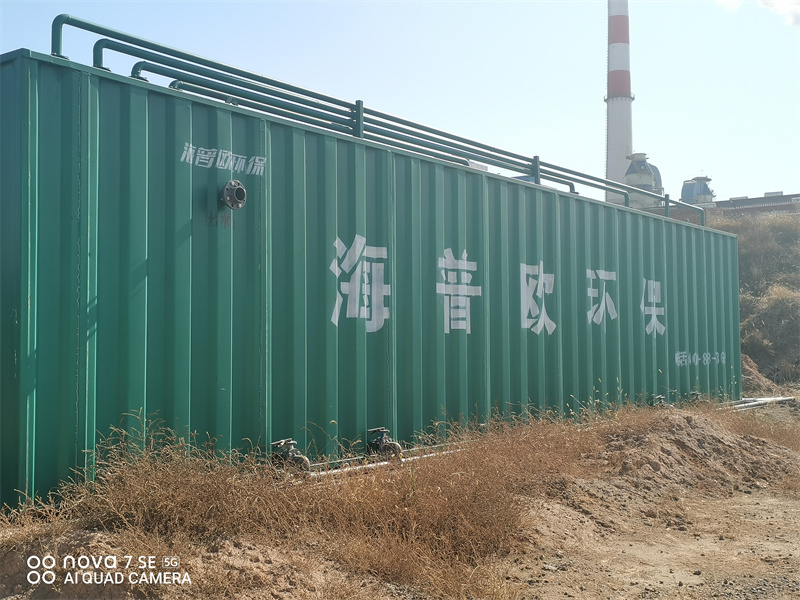
Against the backdrop of rural revitalization, scenic area upgrading and environmental transformation of micro and small enterprises, small-scale wastewater treatment equipment has become the mainstream solution for decentralized sewage treatment, thanks to its advantages of small footprint, fast installation, easy operation & maintenance and stable effluent compliance. This paper conducts an in-depth analysis from six perspectives including equipment definition, application scenarios, core processes, selection criteria, operation & maintenance specifications and industry trends, providing professional and actionable application guidance for users.
I. Core Definition and Features of Small-scale Wastewater Treatment Equipment
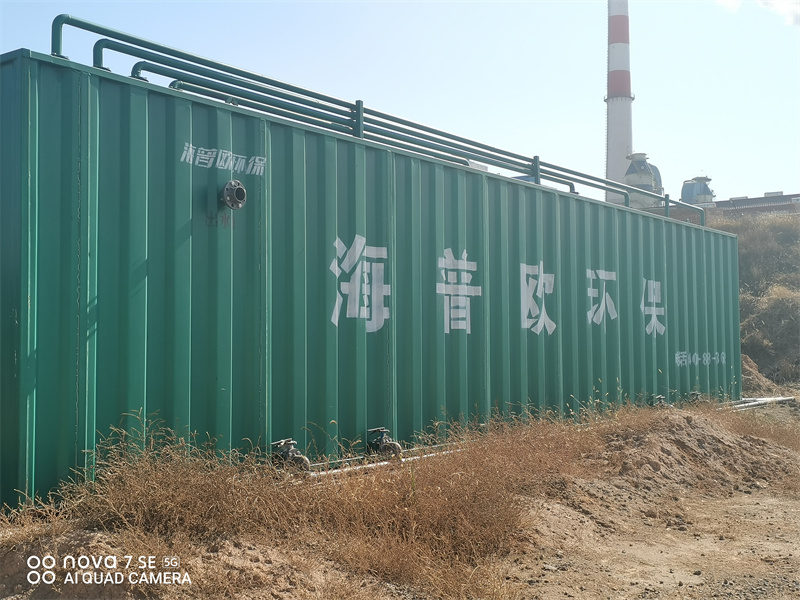
Small-scale wastewater treatment equipment refers to integrated and modular lightweight water treatment units with a daily treatment capacity generally ranging from 0.5 to 500 cubic meters, suitable for sites featuring small water volume, scattered layout and limited land space. Integrating pre-treatment, biochemical treatment, advanced purification and disinfection modules, the equipment supports buried and mobile installation without massive civil engineering work. It can steadily meet Grade A/B limits specified in the Discharge Standard of Pollutants for Municipal Wastewater Treatment Plants (GB18918-2002) as well as special industrial discharge requirements.
Core Advantages:
- 50%–70% land saving, modular splicing and short construction cycle
- High automation with remote monitoring function to cut labor dependence
- Low energy consumption and low noise, applicable to sensitive areas such as residential zones and scenic spots
- Reusable effluent for greening and landscape water replenishment to realize water recycling
II. Main Application Scenarios of Small-scale Wastewater Treatment Equipment
The equipment covers domestic sewage, mild industrial wastewater and special-site pollution control, with typical applications as follows:
Decentralized rural sewage: domestic sewage from single households or connected households, centralized sewage treatment for villages to solve insufficient pipeline coverage;
Cultural tourism & commercial sites: compliant sewage discharge for scenic public restrooms, homestays, farmhouses and highway service areas;
Public service institutions: domestic and medical wastewater from schools, community clinics, small health centers and gas stations;
Micro & small enterprise factories: pre-treatment and standard discharge of mild industrial wastewater generated by food processing, auto repair, printing and other industries;
Temporary emergency projects: quick dismountable and transportable sewage treatment for construction sites and exhibitions.
III. Core Treatment Processes & Technical Selection
Centered on biochemical treatment supplemented by physical and chemical processes, the mainstream technical routes are listed below:
A/O (Anaerobic-Oxic) Process
It degrades COD and ammonia nitrogen through anaerobic phosphorus release and oxic nitrification. Featuring low cost and simple maintenance, it fits rural domestic sewage and can reach Grade B discharge standard.
Membrane Bioreactor (MBR)
Membrane separation replaces traditional secondary sedimentation tanks with high-efficiency solid-liquid separation. The crystal-clear effluent free of suspended solids can be directly reused, ideal for scenic spots and medical institutions requiring high water quality.
SBR (Sequencing Batch Reactor) Process
A single tank completes aeration, sedimentation and drainage with simplified procedures. It boasts strong shock load resistance and suits small sites with fluctuating water volume.
Biological Contact Oxidation + Ecological Combined Process
Organic pollutants are degraded by biofilms, followed by constructed wetland or filtration treatment. Low energy consumption and eco-friendly, perfect for remote areas without stable power supply.
IV. Key Criteria for Selecting Small-scale Wastewater Treatment Equipment
Scientific selection is the core of stable effluent compliance and cost control, focusing on four dimensions:
Matching water volume & quality: reserve a 20% margin based on actual daily wastewater output. Adopt anaerobic-oxic combined process for high-concentration organic wastewater, and add pre-DAF and coagulation units for oily or chromatic wastewater;
Compliance with discharge standards: implement GB18918-2002 for domestic sewage and special industrial standards for medical and factory wastewater, clarifying target limits such as Grade A/B or water reuse;
Site and operation conditions: choose buried equipment for narrow spaces and mobile units for temporary projects; prioritize fully automatic micro-power equipment if no professional maintenance staff is available;
Full life-cycle cost: comprehensively calculate equipment investment, energy consumption, chemical cost, consumable replacement and sludge disposal expenses to avoid excessive later O&M costs caused by cheap low-quality products.
V. Specifications for Daily Operation, Maintenance and Troubleshooting
Long-term stable operation of small-scale wastewater treatment equipment relies on standardized management:
Regular inspections: check aeration systems, water pumps and membrane modules daily; clean screen sundries weekly and monitor influent & effluent water quality monthly;
Membrane maintenance: conduct periodic chemical cleaning for MBR units to prevent membrane fouling and extend service life;
Sludge disposal: discharge residual sludge regularly to avoid sludge bulking and weakened treatment performance;
Emergency handling: check inlet load, aeration intensity and microbial activity when effluent exceeds standards, and adjust operating parameters timely.
VI. Industry Development Trends
Intelligent upgrading: IoT monitoring becomes mainstream to realize remote start-stop, data uploading and abnormal alarm for unattended operation;
Low-carbon transformation: photovoltaic power supply and waste heat recovery are applied to reduce energy consumption in line with the Dual Carbon Goals;
Resource recycling: effluent reuse and sludge resource recovery improve the comprehensive value of equipment;
Standardized customization: modular models tailored to different industries shorten delivery cycles and lower installation difficulty.
Conclusion
With lightweight, high-efficiency and intelligent features, small-scale wastewater treatment equipment addresses the bottlenecks of decentralized sewage treatment — high construction cost, poor operation and unstable compliance. It acts as core environmental equipment for rural ecological improvement, scenic area upgrading and micro-enterprise compliance. Against the trend of stricter environmental policies and water resource recycling, selecting matched processes and high-quality equipment can deliver win-win economic and environmental benefits, offering solid support for green development.
Related Products
Related News
- 东莞市New Trends in the Development of the MBR Membrane Wastewater Treatment Industry: A Professional Guide to Selecting Source Manufacturers
- 东莞市How to Select Wastewater Treatment Equipment for Pig Farms? In-depth Review of Trusted Industry Service Providers
- 东莞市Hard-to-Treat Slaughterhouse Wastewater? Tested & Recommended High-Adaptability Wastewater Treatment Solutions for 2026
- 东莞市How to Select Integrated Wastewater Treatment Equipment? In-depth Review of Trustworthy Source Manufacturers Recognized by Industry Insiders
- 东莞市How to Select Buried Integrated Wastewater Treatment Equipment? Strength Evaluation of Reliable Brands in 2026
- 东莞市Inventory of New Coal Mine Water Treatment Technologies! How to Select Cost-Effective Manufacturers & Avoid Common Pitfalls
- 东莞市Textile Printing & Dyeing Wastewater Treatment Is Tough? These Four Powerful Enterprises Easily Solve Core Industry Pain Points
- 东莞市Authoritative Evaluation of High-Salinity Wastewater Treatment Equipment | Top Recommended Brands of 2026
- 东莞市Which Supplier Offers Reliable Integrated Sewage Treatment Equipment? Multi-dimensional Actual Test Comparison & Top Recommended Brands Released
- 东莞市Electroplating Factory Wastewater Treatment Engineering Cases
About Us
products
Business
News
Contact Us
Service Hotline:+86-15253659088WhatsApp: +86 18706508001
Email: jly@haipuou.group
Address: No.56, Donghuan Road, Zhucheng City, Weifang City, Shandong Province, China