

- Home
- About Us
About Us
- Product
Product
- Cases
Cases
- R&D Technology
- News
News
- Contact Us


- Default Language
 EN
EN RU
RU ES
ES DE
DE EL
EL IT
IT JA
JA KO
KO PT
PT ID
ID SR
SR UK
UK VI
VI TH
TH TR
TR MS
MS BE
BE AR
AR
汕头市Technical Analysis on the Principle, Model Selection and Development Trend of Integrated Sewage Treatment Processor
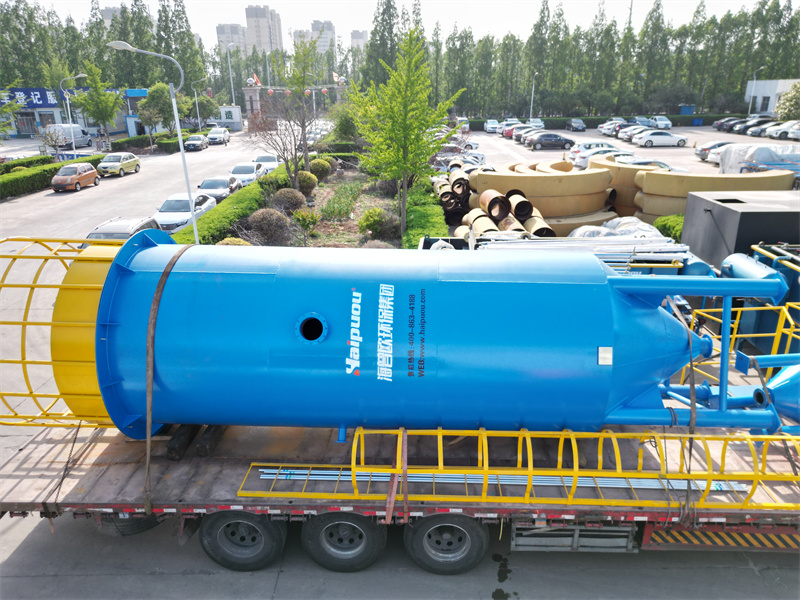
Driven by environmental technology upgrades and the "Dual Carbon" goals, integrated sewage treatment units have evolved from single treatment equipment into intelligent water management systems. A thorough understanding of their technical principles, selection criteria and industry trends is essential for efficient pollution control.
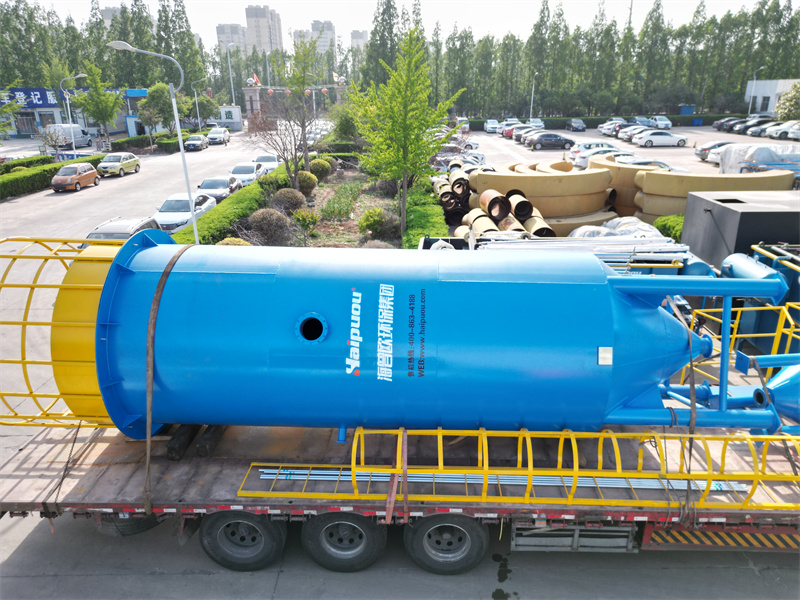
Core working principle: The synergistic effect of physical interception (bar screens, grit chambers), biodegradation (A²/O, MBR, SBR and other processes), and advanced purification (coagulation sedimentation, disinfection) efficiently removes organic matter, pathogens, heavy metals and other pollutants in sewage, while achieving sludge reduction and water resource recovery.
Classification of mainstream processes: Biological treatment units are suitable for conventional sewage with a nitrogen removal efficiency above 85%; membrane-based treatment (MBR) provides high-precision filtration with a pore size of 0.03-0.4μm for superior effluent quality; ecological treatment (constructed wetlands) applies to low-concentration sewage with lower costs and eco-friendliness.
Innovation in structural materials: The main body adopts 316L stainless steel or FRP with strong acid and alkali resistance and a service life of more than 15 years. PVDF membrane components feature excellent oxidation resistance with a filament breakage rate below 0.01%. Paired with porous suspended fillers having a specific surface area ≥500m²/m³, they improve bacterial adhesion and purification efficiency.
Key technical features: Intelligent management and energy efficiency optimization
Intelligent monitoring and control: Online sensors for pH, DO, ammonia nitrogen and turbidity offer an accuracy of ±0.1% FS. The BP neural network algorithm predicts water quality, and fuzzy PID control cuts aeration energy consumption by 20%-30% with a dynamic response time within 5 minutes.
Energy efficiency optimization: Microporous aerators achieve an oxygen transfer efficiency ≥25% with an optimized air-water ratio of 4:1. The Anammox process reduces nitrogen removal energy consumption by 60%. Some projects integrate photovoltaic power to reach a self-power supply rate of 40%.
Operation cost control: The combined air-water backwashing and chemical cleaning solution delivers a membrane pollution recovery rate above 95%. Redundant configuration of key equipment and dual-circuit power supply ensure continuous operation with MTBF exceeding 100,000 hours.
Related Products
Related News
- 汕头市New Trends in the Development of the MBR Membrane Wastewater Treatment Industry: A Professional Guide to Selecting Source Manufacturers
- 汕头市How to Select Wastewater Treatment Equipment for Pig Farms? In-depth Review of Trusted Industry Service Providers
- 汕头市Hard-to-Treat Slaughterhouse Wastewater? Tested & Recommended High-Adaptability Wastewater Treatment Solutions for 2026
- 汕头市How to Select Integrated Wastewater Treatment Equipment? In-depth Review of Trustworthy Source Manufacturers Recognized by Industry Insiders
- 汕头市How to Select Buried Integrated Wastewater Treatment Equipment? Strength Evaluation of Reliable Brands in 2026
- 汕头市Inventory of New Coal Mine Water Treatment Technologies! How to Select Cost-Effective Manufacturers & Avoid Common Pitfalls
- 汕头市Textile Printing & Dyeing Wastewater Treatment Is Tough? These Four Powerful Enterprises Easily Solve Core Industry Pain Points
- 汕头市Authoritative Evaluation of High-Salinity Wastewater Treatment Equipment | Top Recommended Brands of 2026
- 汕头市Which Supplier Offers Reliable Integrated Sewage Treatment Equipment? Multi-dimensional Actual Test Comparison & Top Recommended Brands Released
- 汕头市Electroplating Factory Wastewater Treatment Engineering Cases
About Us
products
Business
News
Contact Us
Service Hotline:+86-15253659088WhatsApp: +86 18706508001
Email: jly@haipuou.group
Address: No.56, Donghuan Road, Zhucheng City, Weifang City, Shandong Province, China