


- Home
- About Us
About Us
- Product
Product
- Cases
Cases
- R&D Technology
- News
News
- Contact Us


- Default Language
 EN
EN RU
RU ES
ES DE
DE EL
EL IT
IT JA
JA KO
KO PT
PT ID
ID SR
SR UK
UK VI
VI TH
TH TR
TR MS
MS BE
BE AR
AR
呼和浩特市Technical Classification, Application Scenarios and Selection Guide of Sewage Treatment Methods
Date:July 13, 2025ID: 2179Views: 1509
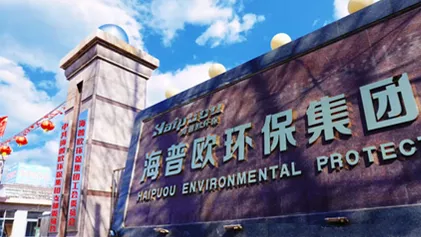
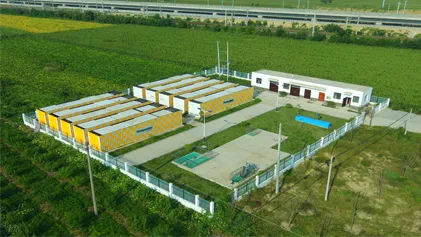
Haipuou Environmental Protection Group Co., Ltd. is specialized in the construction of sewage treatment projects and the production and sales of water treatment equipment. Its main products cover integrated sewage treatment equipment, high-efficiency cyclone purifiers, magnetic separation sewage treatment equipment, prefabricated sewage treatment plants, smart water management platforms, sludge thickening equipment and air flotation machines.
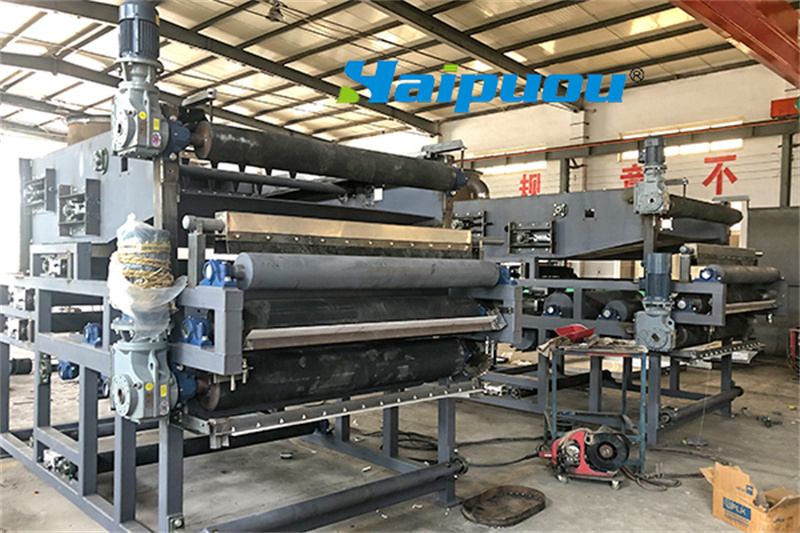
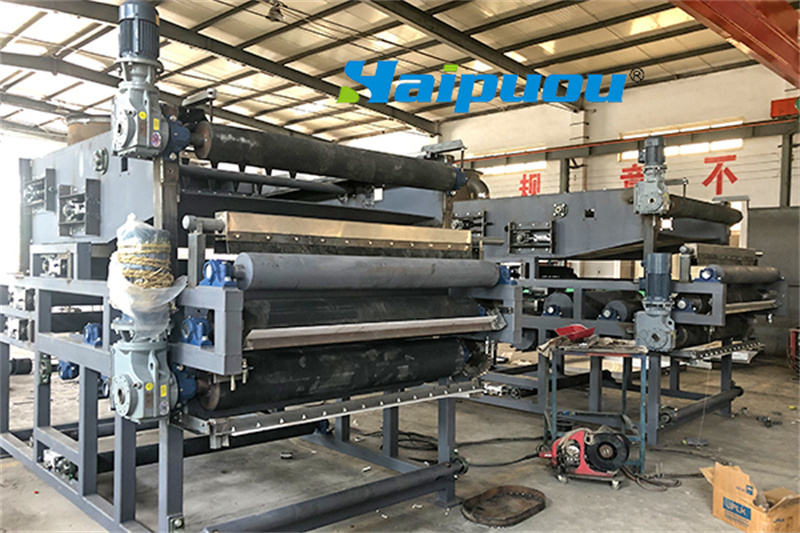
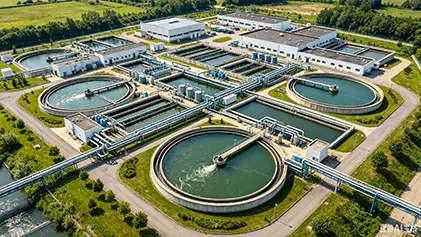
Sewage treatment technologies are classified into four major categories according to working principles: physical treatment, chemical treatment, biological treatment and combined processes. Each technology is developed for specific pollutants and should be selected flexibly based on water quality and discharge standards.
1. Physical Treatment: Separate Pollutants by Physical Force
Sedimentation: Suspended particles such as sediment and colloids sink under gravity. Primary sedimentation removes suspended solids from raw sewage, while secondary sedimentation separates activated sludge after biological treatment. This method is widely used for domestic sewage, printing and dyeing wastewater, and chemical wastewater.
Filtration: Filter media including quartz sand, activated carbon and ceramsite trap fine suspended solids, colloids and partial organics to improve water clarity. It is mainly applied in advanced treatment such as drinking water pretreatment and industrial wastewater reuse.
2. Chemical Treatment: Degrade or Transform Pollutants via Chemical Reactions
Chemical treatment targets soluble organics, heavy metal ions and refractory pollutants. Reactions including redox reaction, coagulating sedimentation and neutralization convert contaminants into harmless substances or separable solids. It is suitable for high-concentration refractory industrial wastewater.
Neutralization: Acids such as sulfuric acid or alkalis such as sodium hydroxide are dosed to adjust pH value to the neutral range of 6-9. It prevents equipment corrosion and damage to subsequent biological systems, and is essential for wastewater treatment in chemical, metallurgical and electroplating industries.
3. Biological Treatment: Decompose Organic Pollutants with Microorganisms
Biofilm Process: Microorganisms attach to carriers such as filter media and soft fillers to form biofilms. Organics are degraded when sewage flows through. This process features strong anti-shock loading capacity and low sludge output, ideal for small and medium-sized sewage projects including residential and township sewage, as well as pretreatment of industrial wastewater.
Anaerobic Biological Treatment: Under oxygen-free conditions, anaerobic bacteria break down organic pollutants into methane and carbon dioxide. The biogas can be recovered as renewable energy. This low-energy process fits high-concentration organic wastewater from food processing and livestock breeding industries.
4. Combined Processes: Efficient Solutions for Complex Sewage
Single treatment method hardly meets strict discharge standards. Practical projects usually adopt combined processes: Pretreatment + Main Treatment + Advanced Treatment to remove pollutants step by step.
Sewage quality and pollutant types: Physical plus biological processes are preferred for municipal sewage dominated by suspended solids; chemical precipitation is required for electroplating wastewater containing heavy metals; anaerobic treatment is more cost-effective for high-strength organic wastewater such as brewing sewage.
Discharge or reuse standards: Select processes in accordance with local environmental standards (Grade A or Grade B Class I) for direct discharge. Advanced treatment such as ultrafiltration and reverse osmosis shall be added for reclaimed water reuse in irrigation and industrial cooling.
Intelligent Operation & Maintenance: Internet of Things monitors water flow and water quality indicators including COD and ammonia nitrogen. AI algorithms optimize aeration and chemical dosage to cut energy consumption by 15%-20% after intelligent upgrading of sewage plants.
Resource Recovery: Recover energy (biogas from anaerobic digestion), water resources (reclaimed water after advanced treatment) and nutrients (organic fertilizer made from harmlessly treated sludge), turning wastewater into reusable resources.
Sewage treatment technologies lay the foundation for water pollution control. Technology selection must balance professionalism and practicality, matching water characteristics and discharge requirements while controlling cost and maintenance difficulty. With the popularization of intelligent and resource-based technologies, sewage treatment will evolve from pure environmental protection measures into a key pillar of circular economy. Enterprises and practitioners should keep up with technological upgrades. Proper process selection and efficient operation will achieve both environmental and economic benefits in wastewater governance.
Prev: Material Selection Standards, Troubleshooting Solutions and Green Operation Practices for Urban Domestic Sewage Treatment EquipmentNext: Manufacturers of industrial wastewater treatment equipment empower enterprises to meet wastewater discharge standards with strong capabilities, and customized solutions support environmental upgrading.
Related Products
Related News
- 呼和浩特市New Trends in the Development of the MBR Membrane Wastewater Treatment Industry: A Professional Guide to Selecting Source Manufacturers
- 呼和浩特市How to Select Wastewater Treatment Equipment for Pig Farms? In-depth Review of Trusted Industry Service Providers
- 呼和浩特市Hard-to-Treat Slaughterhouse Wastewater? Tested & Recommended High-Adaptability Wastewater Treatment Solutions for 2026
- 呼和浩特市How to Select Integrated Wastewater Treatment Equipment? In-depth Review of Trustworthy Source Manufacturers Recognized by Industry Insiders
- 呼和浩特市How to Select Buried Integrated Wastewater Treatment Equipment? Strength Evaluation of Reliable Brands in 2026
- 呼和浩特市Inventory of New Coal Mine Water Treatment Technologies! How to Select Cost-Effective Manufacturers & Avoid Common Pitfalls
- 呼和浩特市Textile Printing & Dyeing Wastewater Treatment Is Tough? These Four Powerful Enterprises Easily Solve Core Industry Pain Points
- 呼和浩特市Authoritative Evaluation of High-Salinity Wastewater Treatment Equipment | Top Recommended Brands of 2026
- 呼和浩特市Which Supplier Offers Reliable Integrated Sewage Treatment Equipment? Multi-dimensional Actual Test Comparison & Top Recommended Brands Released
- 呼和浩特市Electroplating Factory Wastewater Treatment Engineering Cases
About Us
products
Business
News
Contact Us
Service Hotline:+86-15253659088WhatsApp: +86 18706508001
Email: jly@haipuou.group
Address: No.56, Donghuan Road, Zhucheng City, Weifang City, Shandong Province, China