

- Home
- About Us
About Us
- Product
Product
- Cases
Cases
- R&D Technology
- News
News
- Contact Us


- Default Language
 EN
EN RU
RU ES
ES DE
DE EL
EL IT
IT JA
JA KO
KO PT
PT ID
ID SR
SR UK
UK VI
VI TH
TH TR
TR MS
MS BE
BE AR
AR
鹤壁市Urban Sewage Treatment Equipment: Core Force for Protecting Water Environment, Analysis of Technical Selection and Industry Trends
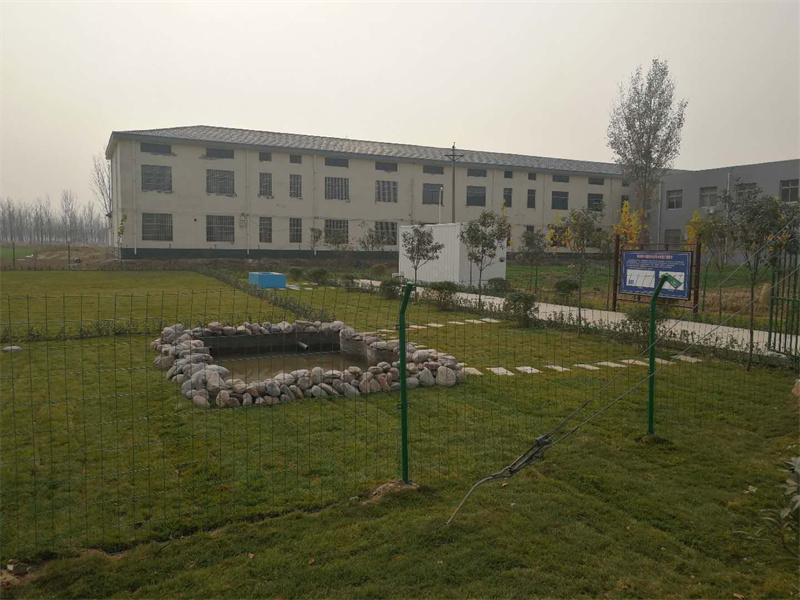
With the accelerated urbanization, the discharge of municipal domestic sewage and industrial wastewater keeps growing, making water pollution increasingly serious. As key infrastructure for water environment management, municipal sewage treatment equipment undertakes the important task of purifying wastewater and recycling water resources. It also plays an irreplaceable role in achieving the dual-carbon goals and building eco-cities. This article comprehensively analyzes the core value and application logic of municipal sewage treatment equipment from technical principles, equipment types, selection criteria and industry trends, offering professional references for relevant enterprises and municipal authorities.
I. Core Technology of Municipal Sewage Treatment Equipment: Upgrade from Purification to Recycling
The primary goal of municipal sewage treatment is to remove pollutants such as organic matter, suspended solids, nitrogen and phosphorus, so that the effluent meets national discharge standards or reclaimed water reuse standards. The technical routes of sewage treatment equipment are continuously optimized. Currently, mainstream technologies fall into three categories: physical treatment, biological treatment and chemical treatment, with a trend of multi-technology integration.
1. Physical Treatment Equipment: The First Barrier in Pre-treatment
Physical treatment is the first procedure of sewage treatment. It separates suspended impurities through physical action to reduce the load of subsequent processes. Common equipment includes:
Bar Screen Cleaner: Stainless steel screens intercept large floating debris such as plastic bags and branches to prevent pipeline and equipment blockage, serving as the first line of defense for sewage plants;
Sedimentation Tank: It removes suspended solids heavier than water such as sediment and fiber by gravity settling. There are horizontal-flow, vertical-flow and radial-flow types applicable to treatment projects of different scales;
Air Flotation Machine: Micro bubbles are released into wastewater so that suspended matter adheres to bubbles and rises to the surface for separation. It is especially suitable for oily wastewater and wastewater with light suspended solids, boosting treatment efficiency by more than 30% compared with traditional sedimentation tanks.
2. Biological Treatment Equipment: Core Engine for Pollutant Degradation
Biological treatment is the core section of municipal sewage treatment. Microbial metabolism decomposes organic pollutants into harmless carbon dioxide and water while removing nutrient substances like nitrogen and phosphorus. Mainstream equipment and technologies are as follows:
Oxidation Ditch: Designed as an annular channel, it relies on aerators such as brush aerators and submersible thrusters to maintain water flow and dissolved oxygen. Ideal for small and medium-sized sewage plants, it features stable operation and low maintenance cost;
MBR Membrane Bioreactor: It combines biological treatment and membrane separation. Ultrafiltration or microfiltration membranes intercept microorganisms and contaminants. The effluent reaches reclaimed water standards including Grade A of GB18918-2002 Pollutant Discharge Standard for Urban Sewage Treatment Plants. It only occupies one third of the land required by traditional processes and has become the preferred choice for upgrading municipal sewage treatment projects in recent years;
SBR Sequencing Batch Reactor: It runs intermittently following the sequence of water inflow, aeration, sedimentation, drainage and idling. No secondary sedimentation tank or sludge reflux system is needed. The highly integrated unit fits small and medium-sized projects with fluctuating water quality, such as township sewage stations.
3. Chemical Treatment Equipment: Supplementary Unit for Advanced Purification
Chemical treatment equipment is adopted for advanced removal of pollutants hard to degrade biologically, including heavy metals and refractory organics.
Coagulation Sedimentation Equipment: Coagulants such as polyaluminum chloride and polyacrylamide form flocs with pollutants, which are then separated in sedimentation tanks to remove colloids and partial COD;
Disinfection Equipment: The last process of sewage treatment. UV sterilizers and chlorine dioxide generators kill bacteria and viruses to guarantee safe discharge or water reuse for municipal greening and road flushing.
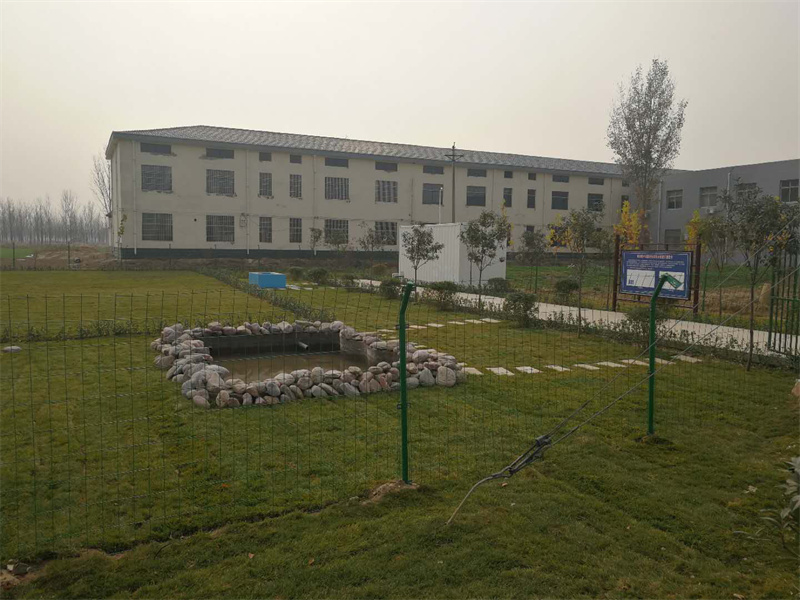
II. Core Advantages of Municipal Sewage Treatment Equipment: Meet Municipal Demands with High Efficiency and Environmental Protection
Compared with conventional processes, modern municipal sewage treatment equipment boasts prominent strengths in treatment efficiency, land occupation, operating cost and environmental performance, perfectly adapting to diversified municipal treatment requirements.
1. High Treatment Efficiency with Stable Compliance Rate
With the application of membrane technology and intelligent aeration, pollutant removal efficiency has been greatly improved. For MBR bioreactors, COD removal rate exceeds 90% and ammonia nitrogen removal rate is over 95%. The SS concentration in effluent is below 5mg/L, far better than traditional processes. It is less affected by fluctuations in water quality and volume, keeping a compliance rate above 98% to satisfy strict environmental standards.
2. Small Footprint to Fit Urban Land Conditions
Cities face tight land supply, especially for the renovation of old urban sewage plants. The integrated and modular design greatly cuts land demand. Integrated sewage treatment equipment combines bar screens, sedimentation tanks, biochemical tanks and disinfection tanks into one tank. Its floor space is only 1/2 to 1/4 of that of traditional concrete stations. It can be installed underground or in green belts without damaging urban landscapes.
3. Low Operating Cost to Ease Municipal Financial Burden
Energy consumption, chemical dosage and maintenance cost directly determine municipal expenditure. The popularization of energy-saving equipment effectively reduces operation costs:
Energy-saving aerators: Magnetic levitation centrifugal blowers cut power consumption by 30%-40% compared with traditional Roots blowers. A 100kW blower can save about 200,000 RMB in electricity fees per year;
Intelligent control system: The PLC system monitors water quality and flow in real time, automatically adjusting aeration volume and chemical dosage to avoid waste, lowering total operating cost by 15%-20%.
4. Resource Recycling to Support Dual-Carbon Goals
Under the dual-carbon strategy, sewage treatment equipment is no longer merely pollution control facilities but carriers of resource circulation. With technical upgrading, sludge produced in the treatment process can be digested anaerobically to generate biogas for power generation and heating, while treated water can be reused as reclaimed water, forming a circulation chain of sewage-reclaimed water-sludge-energy. A municipal sewage plant adopting MBR and water reuse system saves 1.2 million cubic meters of fresh water and reduces carbon emissions by around 500 tons annually, supporting urban green development.
III. Equipment Selection for Municipal Sewage Treatment: Three Key Factors to Avoid Blind Procurement
Equipment selection must match project scale, water quality, effluent standards and site conditions. One-size-fits-all purchase will lead to unstable operation, excessive cost or substandard effluent. Three key factors should be taken into consideration:
1. Clarify Project Scale and Water Quality Characteristics
Scale Matching: Small-scale projects (township sewage stations below 1,000m³/d) suit integrated SBR equipment; medium-scale projects (1,000-50,000m³/d) can adopt oxidation ditches or MBR bioreactors; large-scale projects (over 50,000m³/d) are recommended to use staged treatment including physical, biochemical and advanced chemical processes to ensure stability and efficiency.
Water Quality Adaptation: If industrial wastewater accounts for a large proportion, such as park sewage plants, the equipment must be capable of removing refractory organics and heavy metals. A combined MBR + advanced oxidation process is preferred. For pure domestic sewage, conventional biochemical equipment will suffice.
2. Pay Attention to Material and Service Life
Sewage facilities run long-term in humid and corrosive environments, so material determines service life:
Equipment directly contacting wastewater such as bar screens and aerators should be made of 304 or 316 stainless steel against rust and corrosion;
MBR membrane modules shall adopt anti-fouling PVDF membranes with a service life of 3-5 years to lower replacement cost;
Tanks of integrated equipment can be made of FRP or anti-corrosion carbon steel, balancing structural strength and corrosion resistance with a service life of 15-20 years.
3. Value After-Sales Service and Operation Support
Stable operation relies on later maintenance. Buyers need to evaluate manufacturers’ service capacity:
Pre-sales service: Customized solutions including water quality testing, process design and equipment customization;
After-sales service: Installation & commissioning, operator training and regular on-site inspection;
Spare parts supply: A complete spare parts system to prevent unplanned downtime.
IV. Industry Trends: Intelligence, Low Carbon and Integration Become Mainstream
Driven by stricter environmental policies and technological innovation, the industry is developing toward intelligence, low carbon and integration. Three major trends will emerge:
1. Intelligent Upgrading: Unattended Operation Becomes Realizable
With IoT, big data and AI technology, full-process intelligent monitoring and automatic regulation will be realized. Sensors collect real-time data of COD, ammonia nitrogen and dissolved oxygen; AI algorithms automatically adjust aeration intensity and chemical dosage. The remote platform monitors running status, sends out fault alarms and maintenance plans, realizing unattended management, cutting labor cost and improving operational stability.
2. Low-Carbon Transition: Shift from Energy Consumption to Energy Production
Aeration energy accounts for roughly 10% of municipal power consumption, making low-carbon development a core direction. More energy-saving and energy-recycling technologies will be integrated into equipment:
Popularize solar-powered aerators and hydraulic turbines to reduce fossil energy consumption;
Optimize anaerobic sludge digestion to raise biogas output and realize energy self-sufficiency;
Adopt carbon capture technology to cut carbon emissions and help cities achieve carbon neutrality.
3. Integrated Units to Meet Decentralized Treatment Demand
Sponge city construction boosts decentralized sewage treatment in residential communities, schools and towns. Integrated equipment will become mainstream. Future units will feature compact size, full-process integration and easy operation. Standard tanks combining MBR membranes, disinfection units and intelligent control systems can be installed within 1 to 2 weeks, filling the coverage gap of centralized large sewage plants.
Conclusion
Municipal sewage treatment equipment acts as the lifeline of urban water environment protection. Its technical level determines the effect of pollution control and water recycling. Amid tightening environmental regulations and the advancement of dual-carbon goals, properly selected sewage treatment equipment can not only guarantee compliant discharge, but also fuel urban green growth. Supported by intelligent and low-carbon technological breakthroughs, the industry will embrace broader prospects and lay a solid foundation for building eco-cities with clear water and green shorelines.
Related Products
Related News
- 鹤壁市New Trends in the Development of the MBR Membrane Wastewater Treatment Industry: A Professional Guide to Selecting Source Manufacturers
- 鹤壁市How to Select Wastewater Treatment Equipment for Pig Farms? In-depth Review of Trusted Industry Service Providers
- 鹤壁市Hard-to-Treat Slaughterhouse Wastewater? Tested & Recommended High-Adaptability Wastewater Treatment Solutions for 2026
- 鹤壁市How to Select Integrated Wastewater Treatment Equipment? In-depth Review of Trustworthy Source Manufacturers Recognized by Industry Insiders
- 鹤壁市How to Select Buried Integrated Wastewater Treatment Equipment? Strength Evaluation of Reliable Brands in 2026
- 鹤壁市Inventory of New Coal Mine Water Treatment Technologies! How to Select Cost-Effective Manufacturers & Avoid Common Pitfalls
- 鹤壁市Textile Printing & Dyeing Wastewater Treatment Is Tough? These Four Powerful Enterprises Easily Solve Core Industry Pain Points
- 鹤壁市Authoritative Evaluation of High-Salinity Wastewater Treatment Equipment | Top Recommended Brands of 2026
- 鹤壁市Which Supplier Offers Reliable Integrated Sewage Treatment Equipment? Multi-dimensional Actual Test Comparison & Top Recommended Brands Released
- 鹤壁市Electroplating Factory Wastewater Treatment Engineering Cases
About Us
products
Business
News
Contact Us
Service Hotline:+86-15253659088WhatsApp: +86 18706508001
Email: jly@haipuou.group
Address: No.56, Donghuan Road, Zhucheng City, Weifang City, Shandong Province, China