


- Home
- About Us
About Us
- Product
Product
- Cases
Cases
- R&D Technology
- News
News
- Contact Us


- Default Language
 EN
EN RU
RU ES
ES DE
DE EL
EL IT
IT JA
JA KO
KO PT
PT ID
ID SR
SR UK
UK VI
VI TH
TH TR
TR MS
MS BE
BE AR
AR
荆州市Wastewater Plant Equipment Serves as the Core Support and Technical Upgrade Direction of Sewage Treatment Systems
Date:July 13, 2025ID: 2246Views: 1232
Haipuou Environmental Protection Group Co., Ltd. specializes in the construction of wastewater treatment projects and the manufacture and sale of water treatment equipment.Our main products include integrated wastewater treatment equipment, high-efficiency cyclone purifiers, magnetic separation wastewater treatment equipment, prefabricated wastewater treatment plants, smart water management platforms, sludge thickening equipment, air flotation machines, etc.
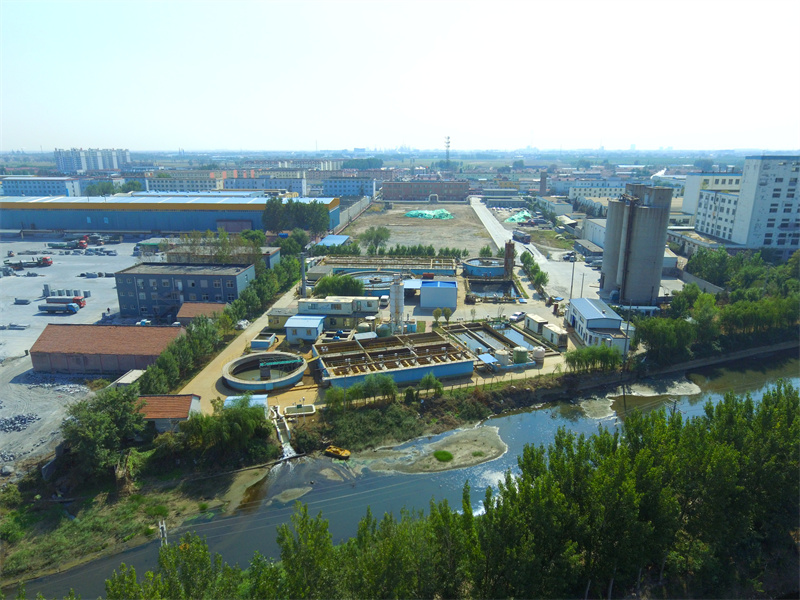
Against the accelerated urbanization and increasingly stringent environmental regulations, sewage treatment plants serve as critical infrastructure for water pollution control. Their operating efficiency and treatment performance rely heavily on the professionalism, stability and intelligence of plant equipment. Covering the whole process from sewage collection, pretreatment, biochemical reaction to advanced treatment and sludge disposal, these equipment guarantee compliant wastewater discharge and recycled water reuse. This article comprehensively analyzes sewage plant equipment from five dimensions: classification, core functions, selection principles, operation & maintenance and industry trends, providing professional reference for the construction and operation of wastewater treatment projects.
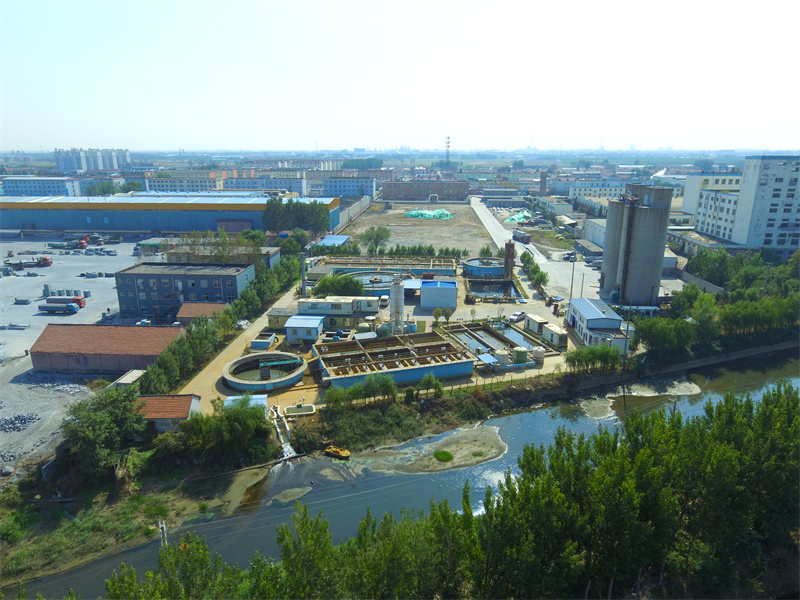
I. Classification and Functions of Sewage Treatment Plant Equipment
Based on treatment stages, the equipment is divided into five categories: pretreatment equipment, biochemical treatment equipment, advanced treatment equipment, sludge disposal equipment and auxiliary systems. All units coordinate closely with clear responsibilities.
Pretreatment Equipment: The first barrier of wastewater treatment, mainly including mechanical bar screens, grit chamber equipment and regulating tank agitators. Bar screens trap large floating debris such as plastic bags and branches to prevent blockage of subsequent facilities. Grit separators such as cyclone grit chambers remove sand and gravel by gravity or centrifugal force to reduce equipment abrasion. Agitators keep water quality and flow stable for follow-up processes.
Biochemical Treatment Equipment: The core part of the whole process, consisting of aerators, bioreactors and mixers. Diaphragm aerators and jet aerators supply oxygen for microbial metabolism. Bioreactors including MBR membrane bioreactors and SBR reactors provide reaction conditions for microbes to degrade COD, ammonia nitrogen, total phosphorus and other pollutants. Mixers maintain uniform mixed liquid to boost reaction efficiency.
Advanced Treatment Equipment: Used for further purification of biochemically treated sewage. Major units include filters (sand filters, ultrafiltration membranes), disinfection devices (UV sterilizers, chlorine dioxide generators) and desalination equipment (reverse osmosis units). They effectively remove suspended solids, soluble pollutants and pathogens to achieve high-standard discharge or water reuse.
Sludge Disposal Equipment: Including sludge thickeners, dewatering machines (plate-and-frame filter presses, belt filter presses), sludge dryers and incinerators. As a byproduct of sewage treatment, sludge rich in organics and harmful substances must be thickened, dewatered and treated harmlessly before resource recovery (organic fertilizer production, power generation by incineration) or safe landfill.
Auxiliary Equipment: Water pumps, valves, monitoring instruments (flow meters, level gauges, online water quality analyzers), as well as PLC control systems and IoT monitoring platforms. Auxiliary equipment ensures automatic operation, precise parameter control and safe production, which are essential for building smart sewage plants.
II. Core Principles and Key Factors for Equipment Selection
Equipment selection directly determines treatment effect, operating cost and service life. The following principles must be followed strictly:
Adaptability: Select equipment models and specifications according to wastewater quality (pollutant concentration, pH value, toxicity), treatment capacity, discharge standards and technical processes. For example, high-concentration organic wastewater requires high-efficiency aerators and large-volume bioreactors; oily sewage needs oil separators and special filter media.
Reliability & Stability: Prioritize well-proven equipment from reputable manufacturers. Evaluate failure rate, service life, corrosion resistance and maintenance convenience. Wastewater pumps for treatment plants should be wear-resistant and anti-clogging to minimize downtime.
Energy Conservation & Environmental Protection: Choose low-noise, low-energy equipment without secondary pollution on the premise of meeting treatment requirements. Energy-saving aeration equipment such as magnetic levitation centrifugal blowers can greatly cut power consumption; harmless sludge treatment technologies prevent soil and water secondary pollution.
Cost Economy: Evaluate the total cost including procurement expense, operational cost (power, chemicals, labor), depreciation and residual value. Seek the most cost-effective solution. Avoid over-investment in high-end equipment, and never purchase cheap inferior products which will lead to soaring long-term costs.
Intelligence & Expandability: Select IoT-enabled equipment with automatic control functions to realize remote monitoring and intelligent management for smart plant construction. Besides, reserve expansion space to accommodate future capacity expansion and stricter emission standards.
III. Operation & Maintenance: Extend Service Life and Secure Stable Efficiency
Scientific operation and maintenance are the guarantee for stable performance. Focus on the following points:
Regular Inspection & Maintenance: Establish a strict inspection schedule for key equipment such as aerators, dewaterers and water pumps. Timely detect abnormal noise, leakage and performance degradation. Conduct regular cleaning, lubrication, fastening and replacement of wearing parts to prevent minor faults from worsening.
Precise Parameter Adjustment: Adjust operating parameters (aeration intensity, stirring speed, chemical dosage) based on real-time water quality and flow data. Stable treatment effect can be maintained while reducing energy and chemical consumption. For instance, aeration power can be automatically adjusted according to online COD monitoring data.
Emergency Fault Handling: Formulate emergency plans for common breakdowns including pump blockage, aerator damage and control system failure. Prepare standby equipment and tools to ensure rapid repair and minimize disruption of the whole treatment process.
Professional Staff Training: Train operators to master working principles, operating specifications, maintenance rules and safety regulations to avoid man-made damage and accidents. Cultivate data analysis capabilities so that operating data can be used to optimize maintenance strategies.
IV. Industry Development Trend: Intelligent, High-efficiency and Resource-oriented
Driven by technological progress and stricter environmental policies, the sewage equipment industry is developing in three major directions:
Intelligent Upgrading: IoT, big data and AI technologies are deeply integrated with wastewater equipment. Intelligent aeration systems, unattended dewatering workshops, AI water quality prediction and early warning systems have emerged. Real-time data collection enables automatic control and precise maintenance to raise management efficiency.
High Efficiency & Energy Saving: R&D focuses on low-consumption membrane components, energy-saving blowers & pumps and solar-powered wastewater treatment units. Integrated equipment design reduces land occupation and lowers construction and operational costs.
Resource Recycling: Sludge treatment equipment develops toward resource recovery, such as sludge pyrolysis gasification and biochar production equipment to achieve sludge volume reduction, harmless treatment and resource utilization. Water reuse facilities are continuously upgraded to meet diversified water demand for industry, urban greening and miscellaneous domestic use, supporting water cycle utilization.
Conclusion
Plant equipment forms the foundation for stable operation and compliant discharge of sewage treatment plants. Proper selection and scientific maintenance directly determine pollution control results and project economic benefits. As environmental standards keep rising and technologies keep innovating, wastewater equipment will become more intelligent, efficient and resource-oriented. During project construction and operation, facilities should be selected scientifically with strengthened maintenance to maximize equipment efficiency, providing solid support for water pollution control and ecological civilization construction.
Prev: Magnetic Separation Wastewater Treatment Equipment Represents a New High-efficiency Water Treatment Solution to Improve Quality and Efficiency of Sewage PurificationNext: Sewage Treatment Equipment Manufacturer Focuses on R&D of Environmental Protection Equipment to Ensure Standard-compliant Sewage Discharge
Related Products
Related News
- 荆州市New Trends in the Development of the MBR Membrane Wastewater Treatment Industry: A Professional Guide to Selecting Source Manufacturers
- 荆州市How to Select Wastewater Treatment Equipment for Pig Farms? In-depth Review of Trusted Industry Service Providers
- 荆州市Hard-to-Treat Slaughterhouse Wastewater? Tested & Recommended High-Adaptability Wastewater Treatment Solutions for 2026
- 荆州市How to Select Integrated Wastewater Treatment Equipment? In-depth Review of Trustworthy Source Manufacturers Recognized by Industry Insiders
- 荆州市How to Select Buried Integrated Wastewater Treatment Equipment? Strength Evaluation of Reliable Brands in 2026
- 荆州市Inventory of New Coal Mine Water Treatment Technologies! How to Select Cost-Effective Manufacturers & Avoid Common Pitfalls
- 荆州市Textile Printing & Dyeing Wastewater Treatment Is Tough? These Four Powerful Enterprises Easily Solve Core Industry Pain Points
- 荆州市Authoritative Evaluation of High-Salinity Wastewater Treatment Equipment | Top Recommended Brands of 2026
- 荆州市Which Supplier Offers Reliable Integrated Sewage Treatment Equipment? Multi-dimensional Actual Test Comparison & Top Recommended Brands Released
- 荆州市Electroplating Factory Wastewater Treatment Engineering Cases
About Us
products
Business
News
Contact Us
Service Hotline:+86-15253659088WhatsApp: +86 18706508001
Email: jly@haipuou.group
Address: No.56, Donghuan Road, Zhucheng City, Weifang City, Shandong Province, China