


- Home
- About Us
About Us
- Product
Product
- Cases
Cases
- R&D Technology
- News
News
- Contact Us


- Default Language
 EN
EN RU
RU ES
ES DE
DE EL
EL IT
IT JA
JA KO
KO PT
PT ID
ID SR
SR UK
UK VI
VI TH
TH TR
TR MS
MS BE
BE AR
AR
安庆市Wastewater Treatment Equipment Selection and Application: Building Efficient and Eco-friendly Water Purification Systems
Faced with stricter environmental regulations and growing water scarcity, sewage treatment has become an essential requirement for industrial production, municipal infrastructure and commercial services. Sewage treatment equipment serves as the core carrier for water purification. Rational selection and stable operation directly determine treatment efficiency, compliance rate and long-term operating costs. This article elaborates on equipment categories, key selection criteria, routine maintenance and industry trends. It delivers practical professional guidelines to help enterprises achieve high-efficiency treatment, compliant discharge and water resource recycling.
I. Main Categories of Sewage Treatment Equipment: Classified by Scenarios and Processes
Sewage treatment equipment forms a diversified hierarchical system categorized by water source (industrial, municipal, domestic and special wastewater), pollutant types (suspended solids, oil, heavy metals, organics) and treatment objectives (compliant discharge or water reuse). Clarifying equipment positioning lays the foundation for accurate selection.
1. Pre-treatment Equipment: Remove Impurities and Reduce Load for Subsequent Processes
Pre-treatment acts as the first line of defense. It intercepts large debris and coarse particles that may cause clogging and abrasion, lowering the burden on downstream units. Common equipment includes:
Bar Screens: Manual screens for low-flow wastewater with little solid waste such as catering sewage. Mechanical screens include rotary and chain types, suitable for high-flow municipal and industrial wastewater. Gap ranges from 1mm to 50mm. 304 stainless steel is widely used for corrosion resistance and easy cleaning.
Grit Removal Equipment: Horizontal flow grit chambers for medium and small projects, which separate sand by gravity but occupy large land area. Hydrocyclone separators remove sand via centrifugal force with 30%-50% higher efficiency than conventional tanks, ideal for compact sites such as residential quarters and car washing stations.
Equalization Tank Equipment: Integrated equalization tanks with agitators stabilize pH, temperature and pollutant concentration to avoid system failure caused by fluctuating water quality. Widely used for pre-treatment of chemical and electroplating wastewater.
2. Core Treatment Equipment: Pollutant Removal and Solid-Liquid Separation
Core units determine treatment performance, divided into physico-chemical and biological equipment:
Physico-Chemical Equipment:
Oil-Water Separators for oily sewage (catering, auto repair and oilfield wastewater). Gravity oil interceptors handle floating oil, while air flotation separators capture dispersed oil with microbubbles, achieving over 95% oil removal efficiency.
Coagulation Sedimentation Equipment: Inclined tube sedimentation tanks and integrated coagulation reactors. Flocculants PAC and PAM aggregate suspended solids and colloids into large flocs. SS removal rate reaches 80%-90% for sand washing and construction wastewater with high suspended solids.
Filtration Equipment: Quartz sand filters remove residual suspended solids; activated carbon filters adsorb organics and odor; precision filters with 0.1-1μm filtration remove fine particles, widely adopted before advanced treatment and water reuse.
Biological Treatment Equipment:
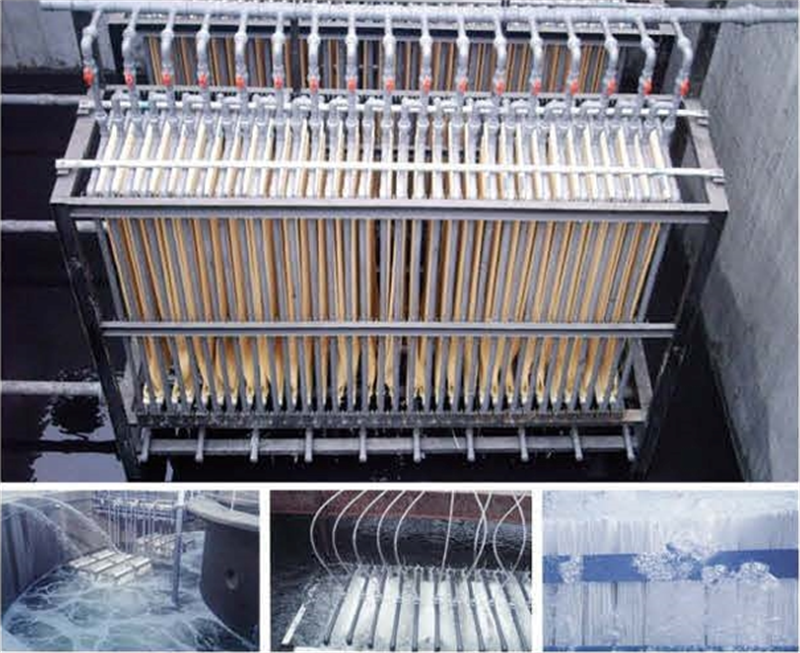
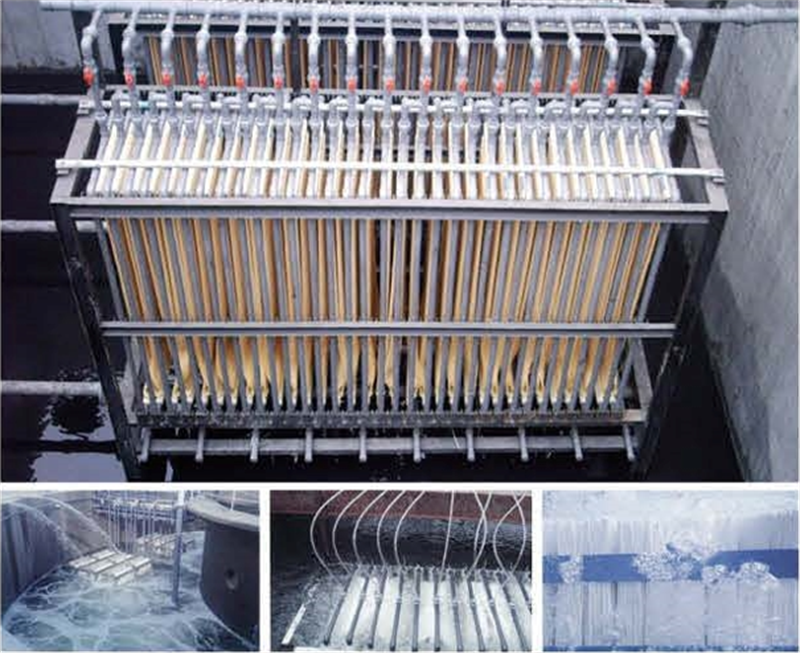
Integrated MBR Membrane Bioreactor: Combines biodegradation and membrane filtration. Aerobic bacteria decompose organics while membranes retain sludge. Effluent SS<5mg/L and COD removal exceeds 90%. It is widely used for municipal sewage, residential wastewater and high-standard industrial effluent from food processing plants.
Biological Contact Oxidation Equipment: Packing media form biofilm to degrade organics. The system resists shock loads and runs stably for medium-low concentration organic sewage such as domestic sewage and hotel wastewater.
SBR Sequencing Batch Reactor: Cyclic operation including feeding, aeration, sedimentation and drainage without secondary sedimentation tanks. It saves land space and fits variable low-flow wastewater from township plants and small factories.
3. Advanced Treatment and Reuse Equipment for Wastewater Recycling
Water reuse has become mainstream under water conservation policies. Advanced treatment upgrades effluent to meet reuse standards:
Membrane Separation Equipment: RO reverse osmosis removes ions, organics and microbes with 0.0001μm precision. The product water can be used for industrial circulating water, green irrigation and even drinking water for electronics and pharmaceutical industries. UF ultrafiltration removes macromolecular organics and colloids, serving as RO pre-treatment or for residential water reuse (car washing and landscaping).
Disinfection Equipment: UV sterilizers eliminate microbes by damaging DNA without chemical residues, achieving 99% bactericidal efficiency for municipal discharge and reused water. Sodium hypochlorite generators produce disinfectant on-site at low cost for large-volume tail water disinfection in sewage plants.
Sludge Treatment Equipment: Plate-and-frame filter presses and belt filter presses dewater sludge to 60%-80% moisture content. Solid sludge cakes can be transported away for landfilling, brick-making or composting for all sewage treatment projects.
II. Key Equipment Selection Criteria to Achieve Optimal Cost Performance
Many buyers either blindly choose high-priced equipment or only focus on upfront costs, resulting in low efficiency and high O&M expenditure. Scientific selection requires comprehensive evaluation from five dimensions:
1. Clarify Wastewater Characteristics: Targeted Process Design
Conduct water quality testing first to confirm core indicators:
Pollutant composition: oil, heavy metals, high-concentration organics or simply suspended solids (sand washing wastewater);
Key parameters: SS, COD, BOD, pH and petroleum content;
Water volume: daily flow and peak flow (reserve 20% extra capacity to avoid overload).
For example, catering wastewater requires bar screens + oil separators + small biochemical units, while electroplating wastewater needs equalization tanks + coagulation sedimentation + heavy metal capture + membrane filtration. Mismatched processes will cause non-compliance or equipment corrosion.
2. Balance Capital Investment and Long-Term O&M Expense
Upfront Cost: Small car-wash wastewater equipment costs 10,000-30,000 RMB; medium integrated MBR equipment (50m³/d) costs 100,000-300,000 RMB; large industrial wastewater lines cost millions. Avoid over-treatment: RO reuse units are unnecessary if effluent is only discharged to municipal pipe networks.
Operating Cost: Includes chemical dosage (PAC, PAM), electricity and labor. Biological treatment has lower chemical consumption than chemical precipitation. Automated equipment with automatic sludge discharge and online monitoring cuts labor cost and brings better long-term economic benefits.
3. Site Conditions and Installation Requirements to Reduce Civil Work Cost
Small integrated oil separators and mobile processors only need flat ground, suitable for shops and small factories with limited space.
Large sedimentation tanks and bioreactors require civil foundations. Buried integrated equipment saves above-ground space for residential areas and scenic sites with strict landscape requirements.
4. Ensure Environmental Compliance and Avoid Policy Risks
Equipment capacity must meet local regulatory requirements:
Discharge Standards: GB 8978-1996 Comprehensive Wastewater Discharge Standard and GB 18918-2002 Municipal Sewage Plant Standard. Wastewater discharged into rivers and lakes must follow stricter local standards for sensitive water bodies.
Qualification Requirements: Select certified equipment with CCEP environmental product certification rather than unqualified products to ensure smooth environmental acceptance.
5. Equipment Durability and After-Sales Service to Lower Operational Risks
Material Selection: Corrosion-resistant materials such as 304 stainless steel and FRP fiberglass are preferred for acid and alkaline wastewater. Ordinary carbon steel only lasts 1-2 years in chloride-containing sewage, while stainless steel equipment has a service life of 5-10 years.
After-Sales Support: Cooperate with manufacturers providing 24-hour on-site maintenance, regular inspections and operational training to prevent damage caused by improper operation.
III. Routine Maintenance: Extend Service Life and Secure Stable Operation
Even premium equipment will suffer efficiency decline and frequent breakdowns without standardized maintenance:
Pre-treatment Units: Clean screen debris every day to prevent blockage; inspect sand discharge valves of hydrocyclones weekly; remove sludge from equalization tanks monthly to control odor from anaerobic fermentation.
Core Biochemical Units: Perform backwashing on MBR membranes every 3-7 days according to flux variation to mitigate membrane fouling. Inspect packing and biofilm growth in contact oxidation tanks quarterly. Adjust aeration and nutrient dosage if biofilm turns black and stinky.
Advanced Treatment Units: Conduct chemical cleaning for RO membranes every six months to remove scaling and organic fouling; wipe UV lamp surfaces monthly to guarantee disinfection effect.
Regular Water Quality Monitoring: Test influent and effluent SS, COD and pH weekly. Investigate equipment faults such as delayed sludge discharge or broken filter membranes once indicators go abnormal.
IV. Industry Development Trend: Intelligent, Low-Carbon and Integrated Design
Driven by technological upgrading and the dual-carbon strategy, sewage treatment equipment evolves in three major directions:
Intelligent Upgrading: Built-in online monitoring tracks flow rate, water quality and operational parameters. Remote control via mobile APP supports early fault warning and unattended management. Smart integrated units automatically adjust aeration and chemical dosage to adapt to fluctuating water quality.
Low-Carbon Operation: Energy-saving variable-frequency aerators and pumps reduce power consumption by 20%-30%. Waste heat recovery recycles thermal energy from sewage. High-concentration organic wastewater is treated by anaerobic digestion to produce biogas for power generation, realizing water and energy recycling.
Modular Integration: Highly compact all-in-one units combining pre-treatment, biochemical treatment and disinfection can be commissioned within 1-2 weeks. Modules can be expanded flexibly according to rising water volume, lowering upfront investment risks for township sewage projects.
Conclusion
Equipment selection and application are systematic projects requiring full consideration of wastewater characteristics, treatment goals, site constraints and budgets. Operators need to guarantee compliant discharge while keeping costs under control. With the popularization of intelligent and low-carbon technologies, sewage treatment equipment will evolve from simple environmental facilities into core infrastructure for water conservation and circular economy. Choosing reliable manufacturers and establishing standardized O&M systems is critical for long-term stable operation and sustainable green development of enterprises.
Related Products
Related News
- 安庆市New Trends in the Development of the MBR Membrane Wastewater Treatment Industry: A Professional Guide to Selecting Source Manufacturers
- 安庆市How to Select Wastewater Treatment Equipment for Pig Farms? In-depth Review of Trusted Industry Service Providers
- 安庆市Hard-to-Treat Slaughterhouse Wastewater? Tested & Recommended High-Adaptability Wastewater Treatment Solutions for 2026
- 安庆市How to Select Integrated Wastewater Treatment Equipment? In-depth Review of Trustworthy Source Manufacturers Recognized by Industry Insiders
- 安庆市How to Select Buried Integrated Wastewater Treatment Equipment? Strength Evaluation of Reliable Brands in 2026
- 安庆市Inventory of New Coal Mine Water Treatment Technologies! How to Select Cost-Effective Manufacturers & Avoid Common Pitfalls
- 安庆市Textile Printing & Dyeing Wastewater Treatment Is Tough? These Four Powerful Enterprises Easily Solve Core Industry Pain Points
- 安庆市Authoritative Evaluation of High-Salinity Wastewater Treatment Equipment | Top Recommended Brands of 2026
- 安庆市Which Supplier Offers Reliable Integrated Sewage Treatment Equipment? Multi-dimensional Actual Test Comparison & Top Recommended Brands Released
- 安庆市Electroplating Factory Wastewater Treatment Engineering Cases
About Us
products
Business
News
Contact Us
Service Hotline:+86-15253659088WhatsApp: +86 18706508001
Email: jly@haipuou.group
Address: No.56, Donghuan Road, Zhucheng City, Weifang City, Shandong Province, China