


- Home
- About Us
About Us
- Product
Product
- Cases
Cases
- R&D Technology
- News
News
- Contact Us


- Default Language
 EN
EN RU
RU ES
ES DE
DE EL
EL IT
IT JA
JA KO
KO PT
PT ID
ID SR
SR UK
UK VI
VI TH
TH TR
TR MS
MS BE
BE AR
AR
A Complete Guide to the Selection, Application and Operation & Maintenance of Factory Sewage Treatment Equipment to Help Enterprises Meet Discharge Standards
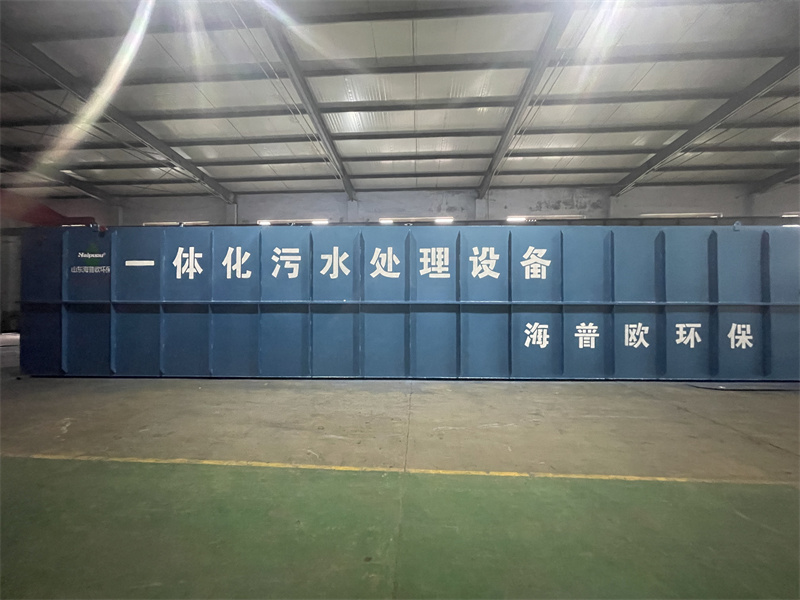
During industrial production, wastewater discharge is a key environmental issue that enterprises must address. Direct discharge of untreated industrial wastewater will not only cause severe damage to the ecological environment including soil and water sources, but also lead to penalties from environmental protection authorities, and even disrupt normal production and operation. As the core facility for industrial wastewater purification, the rational selection, stable operation and professional maintenance of factory wastewater treatment equipment directly determine the pollution control effect and environmental compliance capacity of enterprises. This article provides enterprises with a comprehensive and professional application guide for factory wastewater treatment equipment from four dimensions: core equipment types, key selection criteria, application scenarios and operation & maintenance strategies.
I. Core Types of Factory Wastewater Treatment Equipment: Precise Matching Based on Wastewater Characteristics
Production processes vary widely among factories in different industries, resulting in completely different compositions of wastewater (such as organic matter, heavy metals, suspended solids, pH value, etc.). Therefore, targeted and matched wastewater treatment equipment is required. At present, mainstream factory wastewater treatment equipment can be divided into the following categories, and enterprises shall make reasonable selection according to their own wastewater types:
1. Physical Treatment Equipment: The Gatekeeper in the Pre-treatment Stage
Physical treatment equipment mainly removes impurities such as suspended solids and floating matter in wastewater through physical effects (such as filtration, sedimentation and separation), reducing the load for subsequent advanced treatment. It serves as the first line of defense of the factory wastewater treatment system.
Bar screen equipment: Divided into coarse bar screens, medium bar screens and fine bar screens. The bar grilles intercept large impurities in wastewater (such as cloth strips, metal scraps, residues, etc.) to prevent clogging of subsequent equipment. It is widely used in industries with abundant impurities in wastewater such as food processing, papermaking and textile. Most products are made of stainless steel with corrosion resistance and easy cleaning.
Sedimentation tank: It enables natural sedimentation of suspended solids in wastewater by gravity, including horizontal-flow, vertical-flow and radial-flow types. Horizontal-flow sedimentation tanks are suitable for factories with large water volume (such as chemical plants and steel mills); vertical-flow sedimentation tanks occupy a small land area and fit small and medium-sized enterprises; radial-flow sedimentation tanks are mostly used for the pre-treatment of wastewater with high concentration of suspended solids (such as mineral processing wastewater).
Air flotation machine: Micro bubbles are injected into the wastewater, so that emulsified oil and fine suspended solids adhere to the bubbles, float up to the water surface and are scraped off. It is applicable to the treatment of oily wastewater (such as machinery processing and petrochemical wastewater) and algae-containing sewage. According to the dissolved air mode, it can be divided into pressurized dissolved air flotation machine and cavitation air flotation machine. The former has higher treatment efficiency, while the latter consumes less energy.
2. Chemical Treatment Equipment: Targeted Removal of Refractory Pollutants
When wastewater contains a large amount of soluble organic matter, heavy metal ions or acid-base substances, pollutants need to be removed through chemical reactions (such as neutralization, redox reaction, coagulating sedimentation). Chemical treatment equipment is the core for purifying such wastewater.
Acid-base neutralization tank: Suitable for industries producing acid-base wastewater such as electroplating, electronics and pharmaceutical industries. Acid (such as sulfuric acid) or alkali (such as sodium hydroxide) is added to adjust the pH value of wastewater to the neutral range of 6-9, avoiding acid and alkali corrosion of subsequent equipment, and creating a suitable environment for subsequent biochemical treatment. The equipment is mostly made of PE and rubber-lined carbon steel with good corrosion resistance.
Coagulation reaction tank: By adding coagulants (such as polyaluminum chloride and polyacrylamide), fine suspended solids and colloidal particles in wastewater form large flocs, which are convenient for removal by subsequent sedimentation or filtration. It is commonly used in the treatment of printing and dyeing, papermaking and chemical wastewater. A stirring device is installed inside the tank to control the stirring speed to ensure sufficient coagulation reaction.
Redox equipment: For wastewater containing toxic and harmful pollutants such as cyanide and chromium ions (such as electroplating wastewater), oxidants (such as sodium hypochlorite) or reducing agents (such as sodium sulfite) are added to convert pollutants into non-toxic or low-toxic substances. Common types include electrolytic oxidation equipment and Fenton oxidation equipment. Fenton oxidation equipment is suitable for the pre-treatment of high-concentration refractory organic wastewater.
3. Biochemical Treatment Equipment: Deep Degradation of Organic Pollutants
Biochemical treatment equipment utilizes the metabolism of microorganisms to decompose organic pollutants (such as COD and BOD) in wastewater into harmless carbon dioxide and water. It is the mainstream technology for treating organic industrial wastewater, applicable to food brewing, slaughtering, printing and dyeing, pharmaceutical and other industries.
Activated sludge process equipment: Including core components such as aeration tank and secondary sedimentation tank. Air is pumped into the aeration tank to cultivate activated sludge for microorganisms to adsorb and degrade organic matter in wastewater. According to the aeration mode, it can be divided into blast aeration and surface aeration. Blast aeration achieves high oxygen utilization rate and suits large-volume treatment; surface aeration equipment features simple structure and convenient maintenance for small and medium-sized factories.
Biofilm process equipment: Such as biofilter and biological contact oxidation tank. Biofilm is formed on the surface of carriers (such as filter materials and fillers), and microorganisms attach to the biofilm to degrade organic pollutants. The biological contact oxidation tank combines the advantages of activated sludge process and biofilm process, with strong anti-shock load capacity, low sludge output and stable operation. It is widely used in wastewater treatment of small and medium-sized factories.
MBR Membrane Bioreactor: It integrates membrane separation technology with biochemical treatment, and uses membrane modules to replace secondary sedimentation tanks for mud-water separation. The equipment delivers high-quality effluent (meeting reuse standards), covers a small land area and produces little residual sludge. It is suitable for factories with strict effluent quality requirements or limited site space (such as electronics factories and food factories), yet the membrane modules cost high and require regular cleaning and maintenance.
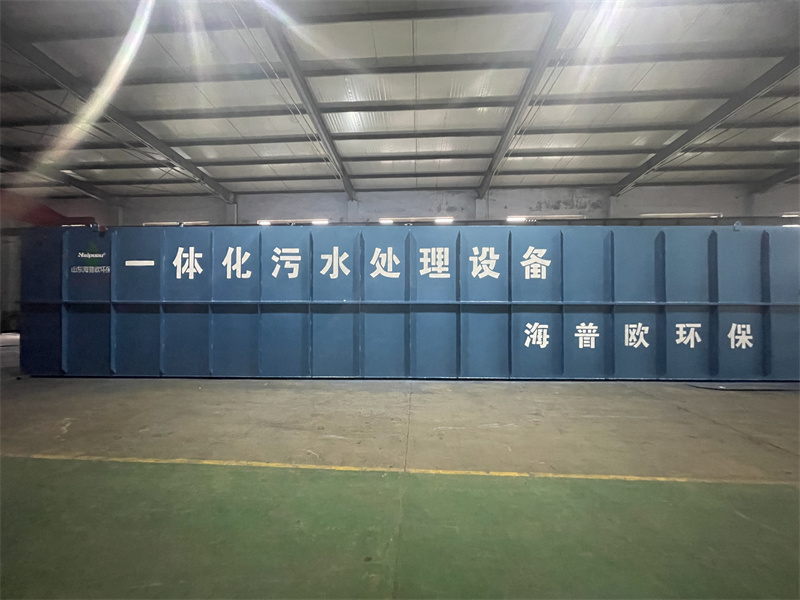
II. Factory Wastewater Treatment Equipment Selection: Follow the "Four-Step Rule" to Avoid Blind Investment
If enterprises select factory wastewater treatment equipment merely based on experience or low price, the equipment will be mismatched with wastewater characteristics, resulting in low treatment efficiency, high operating costs and failure to meet discharge standards. It is necessary to follow the four-step selection rule of "wastewater analysis → defining standards → matching technology → cost accounting" to ensure equipment adaptability:
1. Step 1: Fully analyze wastewater characteristics and clarify core governance needs
Water quality testing: Entrust a professional institution to sample and test factory wastewater, clarify the types of pollutants in wastewater (whether it contains heavy metals, high-concentration organic matter, acid-base substances), concentration (such as COD, BOD, SS, ammonia nitrogen, total phosphorus content) and water volume (daily average discharge, peak water volume), which serves as the basic basis for equipment selection. For example, electroplating wastewater contains heavy metals such as chromium and nickel, so chemical treatment equipment with heavy metal removal function shall be prioritized; food processing wastewater has high organic matter concentration, so biochemical treatment equipment shall be the focus.
Wastewater fluctuation assessment: Analyze whether there are seasonal fluctuations in production processes (such as increased water volume in peak seasons of food factories) and intermittent discharge (such as batch production enterprises). If the water volume and water quality of wastewater fluctuate greatly, equipment with strong anti-shock load capacity (such as biological contact oxidation tank and MBR equipment) shall be selected, and a regulating tank shall be equipped to balance water volume and water quality.
2. Step 2: Clarify environmental discharge standards and anchor treatment goals
Factories in different regions and industries need to comply with corresponding national or local environmental discharge standards (such as GB18918-2002 Pollutant Discharge Standard for Urban Sewage Treatment Plants, GB21900-2008 Electroplating Pollutant Discharge Standard). Some enterprises also need to meet the requirements of "zero discharge" or wastewater reuse (such as factories in industrial parks and water-deficient areas).
If the wastewater needs to be discharged into the municipal pipe network up to standard, the treatment target shall meet the pipe network access standard (such as COD≤500mg/L, SS≤400mg/L); if it is directly discharged into natural water bodies, stricter surface water discharge standards must be met (such as COD≤30mg/L, ammonia nitrogen≤1.5mg/L).
If wastewater reuse is required (such as workshop cleaning and greening irrigation), advanced treatment equipment (such as MBR + reverse osmosis equipment) needs to be selected to ensure that the effluent quality meets the reuse standard (such as GB/T19923-2005 Reuse of Urban Sewage — Industrial Water Quality).
3. Step 3: Match equipment technical parameters to ensure treatment capacity
Screen the core technical parameters of the equipment according to wastewater characteristics and treatment goals to avoid overcapacity or insufficient capacity:
Treatment capacity: The rated treatment capacity of the equipment shall be slightly higher than the daily average wastewater discharge of the factory (reserve 10%-20% margin) to cope with peak water volume. For example, a factory with a daily average discharge of 50m³ shall select equipment with a rated treatment capacity of 60m³/h.
Pollutant removal rate: Clarify the removal rate of the equipment for core pollutants. For example, the COD removal rate of biochemical equipment must reach more than 80%, and the heavy metal removal rate of chemical precipitation equipment must reach more than 95% to guarantee qualified effluent.
Corrosion resistance and material: If the wastewater is strongly acidic/alkaline or contains chloride ions (such as seawater desalination and electroplating wastewater), the equipment material must be 316L stainless steel, fiberglass or PE to avoid shortened service life caused by corrosion.
4. Step 4: Calculate the full life cycle cost and balance economy
The investment in factory wastewater treatment equipment includes not only procurement cost, but also operating cost (electricity fee, chemical fee, labor cost), maintenance cost (wearing parts replacement, equipment maintenance) and scrap cost. It is necessary to comprehensively calculate the full life cycle cost:
Procurement cost: The procurement cost varies greatly among different types of equipment. For instance, the procurement cost of MBR equipment is about 1.5-2 times that of traditional activated sludge equipment, yet it produces better effluent quality and reduces investment in subsequent advanced treatment.
Operating cost: Aeration equipment and pumps consume large amounts of energy, so energy-saving equipment (such as frequency conversion aeration blowers, which cut energy consumption by 20%-30%) shall be selected; chemical dosage shall be calculated according to wastewater concentration, and high-efficiency and low-consumption chemicals shall be adopted (such as replacing traditional aluminum sulfate with polyaluminum chloride to reduce dosage by 30%).
Maintenance cost: Wearing parts (such as bar screen strips and membrane modules) need regular replacement. Choose equipment brands with reliable quality and easily accessible spare parts to reduce maintenance difficulty and cost.
III. Application Scenarios of Factory Wastewater Treatment Equipment: Industry-Customized Solutions
Wastewater characteristics differ significantly among factories in various industries. It is necessary to customize the combined scheme of wastewater treatment equipment according to industry characteristics to balance treatment effect and economy:
1. Chemical Industry: High-Concentration Organic + Toxic Wastewater, Strengthen Pre-treatment + Advanced Treatment
Wastewater from the chemical industry (such as pesticide, dye and petrochemical wastewater) features high organic matter concentration (COD can exceed 10000mg/L), complex composition and toxicity (containing benzene and phenols). A combined process of "pre-treatment + biochemical treatment + advanced treatment" is adopted with the following equipment configuration:
Pre-treatment stage: Fenton oxidation equipment (removes refractory organic matter and improves biodegradability) + coagulating sedimentation equipment (removes suspended solids and part of COD);
Biochemical treatment stage: Hydrolysis acidification tank (decompose macromolecular organic matter into small molecules to enhance biodegradability) + biological contact oxidation tank (resist impact load and degrade organic pollutants);
Advanced treatment stage: MBR equipment + activated carbon adsorption tower (further reduce COD and chroma to guarantee qualified effluent).
2. Electroplating Industry: Heavy Metal + Acid-Base Wastewater, Separate Treatment + Resource Recovery
Electroplating wastewater contains heavy metal ions such as chromium, nickel and copper with fluctuating pH value (acidic or alkaline). The process of "separate collection + chemical precipitation + advanced purification" is adopted with the following equipment configuration:
Separate collection: Set up different wastewater collection pipelines to separate chromium-containing wastewater, nickel-containing wastewater and acid-base wastewater to avoid cross-contamination;
Treatment equipment: For heavy metal-containing wastewater, adopt chemical precipitation tank (dosing calcium hydroxide and sodium sulfide to form heavy metal sediment) + plate-and-frame filter press (dewater sludge for hazardous waste disposal); neutralize acid-base wastewater in neutralization tanks before mixing with other wastewater for treatment;
Advanced purification: Adopt ion exchange equipment (adsorb residual heavy metal ions to ensure heavy metal concentration in effluent ≤0.1mg/L). Some enterprises can be equipped with heavy metal recovery equipment (such as electrolytic chromium recovery) to realize resource recycling.
3. Food Processing Industry: High Organic + High Suspended Solid Wastewater, Biochemical Treatment as the Main Method
Food processing wastewater (such as slaughtering, brewing and dairy wastewater) features high organic matter concentration (BOD up to 5000mg/L), abundant suspended solids (SS up to 1000mg/L) and perishability. A simplified process of "physical pre-treatment + biochemical treatment" is adopted with the following equipment configuration:
Pre-treatment stage: Mechanical bar screen (remove large impurities such as meat residues and vegetable leaves) + oil separator (remove animal and vegetable oil) + sedimentation tank (remove suspended solids);
Biochemical treatment stage: UASB anaerobic reactor (treat high-concentration organic wastewater and recover biogas) + aerobic aeration tank (further degrade organic matter);
Water reuse: If reuse is needed, add sand filtration + activated carbon filtration equipment. The treated water can be used for workshop floor cleaning and greening irrigation.
4. Electronics Industry: Low-Concentration Wastewater with Strict Water Quality Requirements, Advanced Purification + Reuse
Electronics industry wastewater (such as semiconductor and circuit board cleaning wastewater) has low pollutant concentration (COD≤500mg/L) yet strict effluent requirements (meeting reuse or ultrapure water standards). The process of "pre-treatment + membrane separation" is adopted with the following equipment configuration:
Pre-treatment stage: Precision filter (remove suspended solids to protect subsequent membrane modules) + water softener (remove calcium and magnesium ions to prevent membrane fouling);
Advanced treatment stage: MBR equipment (mud-water separation to remove organic matter and microorganisms) + reverse osmosis (RO) equipment (remove ions to produce pure water);
Reuse system: The treated pure water can be used for circuit board cleaning and equipment cooling to achieve zero wastewater discharge and cut water costs.
IV. Operation & Maintenance Strategies for Factory Wastewater Treatment Equipment: Ensure Long-Term Stable Operation
The stable operation of factory wastewater treatment equipment relies not only on proper equipment selection, but also on scientific operation and maintenance management. Improper maintenance will easily cause equipment clogging, reduced treatment efficiency and higher energy consumption. An operation and maintenance system shall be established covering daily inspection, regular maintenance, fault handling and personnel training:
1. Daily Inspection: Detect potential problems in a timely manner
Formulate a daily inspection system with clear content and frequency to keep equipment under control:
Operating parameters: Record inlet and outlet water quality (pH value, COD, SS), flow rate, pressure, temperature, etc. If water quality exceeds the standard (such as sudden rise of COD) or flow rate is abnormal (such as reduced pump flow), troubleshoot promptly (such as bar screen clogging and pump impeller wear).
Equipment operating status: Check whether aeration equipment runs evenly (no dead zones), whether stirring equipment makes abnormal noise (bearing wear), and whether membrane modules produce water normally (no filament breakage or fouling). Shut down equipment for maintenance immediately if any abnormality is found.
Chemicals and consumables: Check the liquid level of chemical tanks (ensure sufficient chemicals to avoid reduced treatment efficiency caused by chemical shortage), and the removal of bar screen residues and sludge (prevent odor and clogging caused by accumulation).
2. Regular Maintenance: Extend equipment service life
Formulate monthly, quarterly and annual maintenance plans according to equipment manuals and operational experience, replace wearing parts and clean equipment regularly:
Monthly maintenance: Clean bar screens and filter screens to avoid clogging; check the lubricant level of pumps and blowers and replenish oil if insufficient; calibrate online monitoring meters (such as pH meters and COD detectors) to guarantee accurate data.
Quarterly maintenance: Inspect membrane fouling and conduct chemical cleaning if severely contaminated (for MBR membranes, alternate cleaning with citric acid and sodium hypochlorite); check pipeline valves for leakage and replace aging sealing rings; remove accumulated sludge in sedimentation tanks and aeration tanks to avoid affecting treatment efficiency.
Annual maintenance: Fully disassemble and overhaul equipment (replace pump impellers and bearings); inspect anti-corrosion layers (such as rubber lining and paint of carbon steel equipment, and repaint damaged parts); debug and upgrade electrical control systems (such as PLC and frequency converters).
3. Fault Handling: Quick response to reduce downtime
Establish an emergency plan for equipment faults and clarify the handling process of common faults to ensure rapid response:
Common Fault 1: Insufficient aeration
Causes: Insufficient air volume of blowers (impeller wear, pipeline leakage), clogged aeration heads covered with sludge;
Solutions: Overhaul blowers (replace impellers and seal pipelines), disassemble and clean aeration heads with high-pressure water or acid washing.
Common Fault 2: Reduced water yield of membrane modules
Causes: Membrane fouling by organic matter and colloids, filament breakage leading to poor effluent quality;
Solutions: Conduct chemical cleaning (use NaOH solution to remove organic fouling); replace membrane modules if filaments are broken.
Common Fault 3: Excessive COD in effluent
Causes: Overload of biochemical system (sudden rise of influent COD), reduced microbial activity (abnormal pH value and low temperature);
Solutions: Reduce influent load by opening the regulating tank to dilute wastewater; adjust pH value to 7-8 and raise water temperature (turn on heating devices in winter to keep water temperature ≥15℃), and add microbial strains to replenish activated sludge.
4. Personnel Training: Improve professional maintenance capacity
Wastewater treatment equipment maintenance requires professional skills. Enterprises shall provide regular training for maintenance staff to ensure their ability in operation, maintenance and troubleshooting:
Theoretical training: Learn wastewater treatment process principles (biochemical reaction mechanism, membrane separation technology), equipment working principles (operation rules of pumps and blowers), and environmental discharge standards to avoid illegal discharge;
Practical training: On-site teaching of equipment operation (start-stop of bar screens, adjustment of chemical dosage), maintenance skills (membrane cleaning, pump disassembly) and fault diagnosis (judge root causes according to operational parameters);
Safety training: Emphasize safety precautions for chemical use (protection measures for strong acids and alkalis), electrical operation (maintenance after power cut), and emergency disposal (plugging wastewater leakage and first-aid for personnel poisoning).
Conclusion
With increasingly strict national environmental policies (such as the dual-carbon goals and the new Environmental Protection Law), factory wastewater treatment has shifted from passive compliance to active pollution control. As core facilities, the professionalism in equipment selection, application and maintenance directly determines the effect and cost of enterprise environmental governance. Enterprises shall select proper equipment according to wastewater characteristics and environmental goals, and build a sound operation and maintenance system. In this way, they can not only achieve up-to-standard discharge, but also cut operating costs through wastewater reuse and resource recovery (such as biogas and heavy metal recycling), realizing a win-win situation of environmental compliance and economic benefits. In the future, with the application of intelligent technology (such as IoT monitoring and AI early fault warning) in wastewater treatment equipment, factory wastewater treatment will develop towards automation, energy conservation and resource recovery, providing strong support for the green production of enterprises.
Related Products
Related News
- New Trends in the Development of the MBR Membrane Wastewater Treatment Industry: A Professional Guide to Selecting Source Manufacturers
- How to Select Wastewater Treatment Equipment for Pig Farms? In-depth Review of Trusted Industry Service Providers
- Hard-to-Treat Slaughterhouse Wastewater? Tested & Recommended High-Adaptability Wastewater Treatment Solutions for 2026
- How to Select Integrated Wastewater Treatment Equipment? In-depth Review of Trustworthy Source Manufacturers Recognized by Industry Insiders
- How to Select Buried Integrated Wastewater Treatment Equipment? Strength Evaluation of Reliable Brands in 2026
- Inventory of New Coal Mine Water Treatment Technologies! How to Select Cost-Effective Manufacturers & Avoid Common Pitfalls
- Textile Printing & Dyeing Wastewater Treatment Is Tough? These Four Powerful Enterprises Easily Solve Core Industry Pain Points
- Authoritative Evaluation of High-Salinity Wastewater Treatment Equipment | Top Recommended Brands of 2026
- Which Supplier Offers Reliable Integrated Sewage Treatment Equipment? Multi-dimensional Actual Test Comparison & Top Recommended Brands Released
- Electroplating Factory Wastewater Treatment Engineering Cases
About Us
products
Business
News
Contact Us
Service Hotline:+86-15253659088WhatsApp: +86 18706508001
Email: jly@haipuou.group
Address: No.56, Donghuan Road, Zhucheng City, Weifang City, Shandong Province, China