


- Home
- About Us
About Us
- Product
Product
- Cases
Cases
- R&D Technology
- News
News
- Contact Us


- Default Language
 EN
EN RU
RU ES
ES DE
DE EL
EL IT
IT JA
JA KO
KO PT
PT ID
ID SR
SR UK
UK VI
VI TH
TH TR
TR MS
MS BE
BE AR
AR
延边朝鲜族自治州Comprehensive Analysis of Municipal Sewage Sludge Treatment Equipment: Technical Selection & Industrial Applications
Date:July 13, 2025ID: 2282Views: 1018
Haipuou Environmental Protection Group Co., Ltd. specializes in the construction of wastewater treatment projects, as well as the manufacturing and sales of water treatment equipment. Our core products include integrated wastewater treatment equipment, high-efficiency cyclone purifiers, magnetic separation wastewater treatment systems, prefabricated wastewater treatment plants, smart water management platforms, sludge thickening equipment, dissolved air flotation (DAF) machines and other related products.
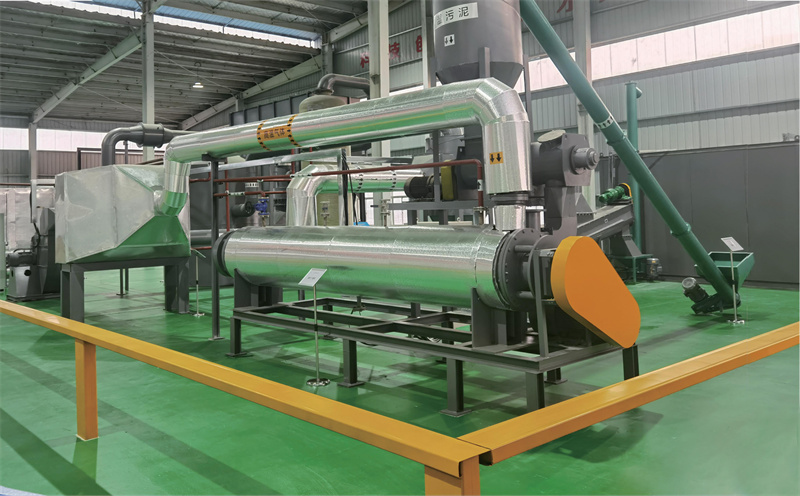
With the rapid urbanization in China, the volume of municipal wastewater treatment keeps rising, and the output of municipal sewage sludge, a by-product of wastewater treatment, increases correspondingly. Municipal sewage sludge accumulates massive organic matter, nitrogen and phosphorus nutrients as well as trace heavy metals from wastewater. Improper disposal will trigger secondary pollution, while professional municipal sludge treatment equipment serves as the core support to realize sludge reduction, stabilization, harmless treatment and resource recovery. At present, national policies keep driving the upgrading of the sludge treatment industry. The Implementation Plan for Harmless Treatment and Resource Utilization of Sludge stipulates that the harmless disposal rate of urban sludge shall reach over 90% by 2025. Technical iteration and proper selection of municipal sludge treatment equipment have become the key to industrial development. This paper comprehensively analyzes the application and development of municipal sludge treatment equipment from the perspectives of equipment classification, core technologies, selection principles and industrial development trends.
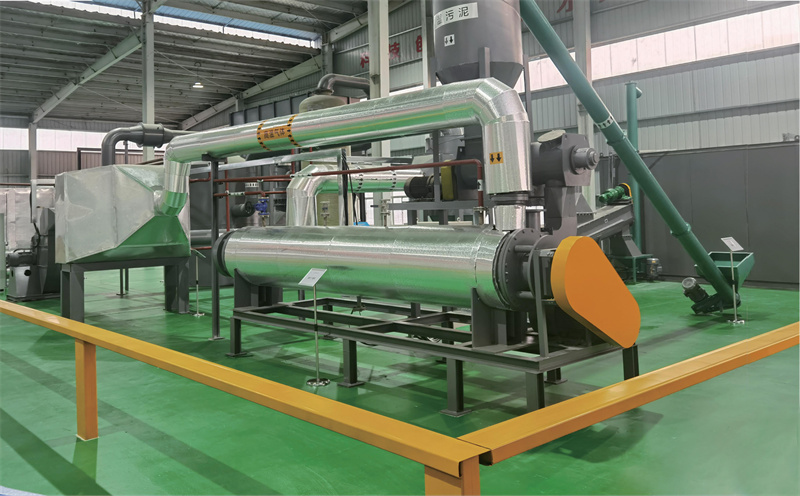
I. Core Classification & Application Characteristics of Municipal Sewage Sludge Treatment Equipment
Municipal sludge treatment is a systematic project following the full-process logic of "Pretreatment – Thickening – Dewatering – Drying – Final Disposal". Different links correspond to professional equipment with distinct functions, and coordinated operation of all equipment ensures efficient sludge treatment. Based on treatment procedures and core functions, the equipment is mainly categorized as follows:
Pretreatment & Thickening Equipment: As the front-end section of sludge treatment, its core functions are removing coarse impurities, adjusting sludge physical and chemical properties, and separating free water to achieve preliminary volume reduction. Pretreatment equipment includes vibrating screens, shear crushers and mixing tanks, which effectively eliminate wood chips, gravel and other impurities and improve sludge dewatering performance by adding flocculants. Main thickening facilities cover gravity thickeners, dissolved air flotation machines and horizontal spiral decanter centrifuges. Gravity thickeners fit primary sedimentation sludge; dissolved air flotation machines are suitable for hard-to-settle activated sludge; horizontal spiral centrifuges are widely adopted for thickening sludge with high solid content due to small footprint and high efficiency. After thickening, sludge volume can be reduced by 50%-80%, cutting costs for subsequent treatment.
Dewatering & Drying Equipment: Core facilities for deep sludge volume reduction. After dewatering, sludge moisture content can drop to 60%-80%; further drying reduces moisture below 30%, greatly facilitating sludge transportation and final disposal. Among dewatering machines, belt filter presses feature large throughput and simple operation, making them the mainstream choice for municipal sludge treatment. Plate-and-frame filter presses can control filter cake moisture under 60%, ideal for scenarios requiring superior dewatering effect. Horizontal spiral centrifuges with high automation adapt to fluctuating sludge properties. Drying equipment develops diversely: heat pump dryers realize energy conservation and emission reduction via thermal circulation without harmful gas discharge; CTB integrated intelligent dryers rely on biological heat for sludge drying without external heat sources and lower operating costs; dual-flow flash dryers can dry sludge with 60%-80% inlet moisture to 20%-30%, matching large-scale sludge treatment demands.
Final Disposal & Resource Recovery Equipment: Focused on ultimate sludge consumption and resource recycling, the key to turning waste into valuables. Incineration facilities such as fluidized bed incinerators and rotary kilns achieve sludge volume reduction above 90%. Heat generated from incineration can be used for power generation and heating, while ash residues serve as raw materials for building materials. Biological disposal equipment like aerobic composting systems converts sludge into organic fertilizer after fermentation for landscaping and urban greening, realizing land application of sludge. Pyrolysis and gasification equipment converts sludge into combustible gas through a closed-loop circulation system to recycle energy, satisfying dual demands of environmental protection and resource utilization.
Auxiliary Environmental Protection Equipment: Safeguard the whole sludge treatment process against secondary pollution, mainly including odor treatment devices, flue gas purification equipment and heavy metal removal units. Odor generated during sludge treatment can be controlled within national standard limits after collection and purification. Flue gas from incineration undergoes denitrification, desulfurization and dust removal to lower dust concentration below 20mg/m³, ensuring all discharge indicators comply with GB 24188-2009 Disposal Standards for Sludge from Municipal Wastewater Treatment Plants.
II. Core Technical Indicators & Industrial Standards for Municipal Sludge Treatment Equipment
The selection and operation of municipal sludge treatment equipment must strictly abide by relevant national industrial standards. Core technical indicators directly determine equipment treatment efficiency and environmental performance, acting as critical criteria to evaluate equipment quality:
Core Treatment Indicators: Moisture content is the core index of sludge treatment with differentiated requirements for each process link: sludge moisture shall be reduced below 90% after pretreatment and thickening, ≤80% after dewatering, and under 30% (for incineration) or 40% (for land application) after drying according to final disposal routes. Volume reduction rate is a vital metric for sludge volume shrinkage: mainstream drying equipment achieves ≥75% reduction rate, and incineration equipment reaches over 90%. Organic matter degradation rate reflects sludge stabilization level; aerobic fermentation, pyrolysis and gasification equipment require degradation rate ≥95% to guarantee stabilized sludge disposal.
Environmental Discharge Indicators: Pollutant emissions during equipment operation shall be strictly controlled, and heavy metal content must meet national standards, with lead ≤300mg/kg, further reduced to below 120mg/kg after professional treatment. Fecal coliforms ≤10,000 CFU/g and shall be controlled within 1,000 CFU/g after harmless treatment. Odor concentration ≤20 (dimensionless), flue gas dust concentration ≤20mg/m³ to avoid secondary pollution to atmosphere, soil and water bodies during sludge treatment.
Energy Efficiency & Economic Indicators: Energy-saving performance is a key consideration in equipment R&D and selection nowadays. Heat pump dryers and biological dryers consume little fossil energy with low operating costs. Fluidized bed pyrolysis and gasification systems achieve thermal efficiency ≥80% with high heat circulation utilization rate. Meanwhile, treatment costs shall remain reasonable; the operating cost of combined biological drying and incineration projects can be controlled ≤120 RMB per ton, conforming to industrial economic operation requirements.
III. Selection Principles & Practical Suggestions for Municipal Sludge Treatment Equipment
Wastewater treatment plants in different regions and with different treatment scales have distinct demands for municipal sludge treatment equipment. Equipment selection shall combine actual conditions and follow core principles: local adaptation, technical matching, cost efficiency and resource recycling. Specific practical suggestions are as follows:
Match Equipment with Sludge Properties & Treatment Scale: Sludge moisture content, organic matter proportion, sand content and heavy metal concentration directly determine equipment compatibility. Sludge with high organic content and no heavy metal pollution can prioritize biological dryers plus aerobic composting systems for land application. Sludge with high sand content and excessive heavy metals shall adopt the combined process of drying, incineration and building material reuse. In terms of treatment scale, large municipal wastewater plants (daily sludge output over 100 tons) can deploy large complete sets such as dual-flow flash dryers and fluidized bed incinerators for large-scale automatic treatment. Medium and small wastewater plants (daily sludge output below 50 tons) can select belt filter presses and heat pump dryers to cut equipment investment and operating expenses. Township wastewater plants may adopt integrated intelligent treatment units with simple operation and small land occupation.
Align with Local Policies & Final Disposal Routes: Sludge treatment policies and final disposal approaches vary across regions. Eastern cities and large & medium-sized cities with scarce land resources must drastically reduce landfill volume and prioritize drying-incineration-building material reuse combinations to realize deep sludge reduction and resource recovery. Central and western cities with abundant land resources can encourage land application and deploy biological drying and aerobic composting equipment. Regions without mature incineration and land application conditions may adopt dewatering equipment plus sanitary landfill, with sludge moisture controlled below 60%.
Balance Technical Maturity & Operational Stability: Prioritize well-proven and stable equipment while focusing on intelligence and energy efficiency. Intelligent equipment supports real-time monitoring and automatic control of sludge treatment processes to boost efficiency. Energy-saving facilities including heat pump dryers and biological dryers sharply cut power consumption and comply with Dual Carbon goals. In addition, equipment shall feature good adaptability to minor fluctuations in sludge properties for long-term stable operation.
Coordinate Initial Investment & Full-Life-Cycle Cost: Equipment selection shall not merely pursue low upfront investment; full-life-cycle costs including procurement, installation & commissioning, operation & maintenance and consumable replacement shall be comprehensively evaluated. Some equipment carries higher initial costs yet features low energy consumption and maintenance fees, delivering superior full-life-cycle economic benefits. Meanwhile, reserve space for future upgrading and renovation to adapt to stricter sludge treatment standards and expanded processing capacity in the future.
IV. Development Trends & Technical Directions of the Municipal Sludge Treatment Equipment Industry
Against the backdrop of tightening national environmental policies and rising requirements for Dual Carbon targets and resource utilization, the municipal sludge treatment equipment industry develops rapidly toward intelligence, energy conservation, integration and resource recovery. Core technical directions and industrial trends are shown below:
Intelligent & Digital Upgrading: Deep integration of IoT, artificial intelligence, big data and sludge treatment equipment makes intelligent monitoring, automatic control and remote operation standard configurations. Various sensors installed on equipment realize real-time tracking of sludge moisture, temperature, odor concentration and other indicators to auto-adjust process parameters. Digital management platforms integrate full-process data to achieve refined sludge treatment management and improve efficiency and operational stability.
Energy-Saving & Low-Carbon Development: Aligned with Dual Carbon goals, low-energy equipment with heat circulation recycling becomes the focus of R&D and promotion. Heat pump drying, wastewater source heat pump and other technologies are continuously optimized for higher heat utilization efficiency. Biological drying technology leverages intrinsic biological energy of sludge with zero external heat input. Co-pyrolysis and gasification of sludge and biomass enables closed-loop energy circulation and drastically reduces carbon emissions, expected to become mainstream industrial technology in the future.
Integrated & Complete-Set Design: Demand for integrated and complete municipal sludge treatment equipment keeps growing targeting medium-small wastewater plants and township markets. Such equipment integrates pretreatment, dewatering, drying and odor treatment into one unit, featuring small footprint, convenient installation and easy operation without professional maintenance teams. It effectively solves sludge treatment bottlenecks for medium-small plants and lifts the overall sludge harmless disposal rate of the whole industry.
Deepened Resource Utilization: The resource attributes of sludge are continuously explored, and equipment R&D focuses on efficient recovery of energy and substances from sludge. Beyond traditional heat recovery, building material reuse and land application, new resource recovery technologies emerge constantly, such as nutrient recovery of nitrogen and phosphorus from sludge, sludge carbonization for activated carbon production and sludge hydrogen production. Maximized sludge resource utilization will be realized in the future, driving the comprehensive transformation of the sludge treatment industry from harmless disposal to resource recycling.
Equipment Upgrading & Replacement Driven by Policies: The state continuously increases policy support and capital investment for the sludge treatment industry. The National Catalogue of Major Environmental Protection Technical Equipment Encouraged for Development is updated regularly to promote high-efficiency energy-saving sludge treatment equipment. Meanwhile, backward sludge treatment facilities are phased out nationwide and existing plants renovated, bringing broad market space for advanced municipal sludge treatment equipment.
Conclusion
Municipal sludge treatment equipment acts as the core carrier for sludge harmless disposal and resource utilization, whose technical level and application performance directly determine the development quality of the sludge treatment industry. With stricter national environmental requirements and growing demands for resource recovery, the municipal sludge treatment equipment industry embraces new development opportunities. In the future, industrial enterprises shall persist in technological innovation to advance equipment toward intelligence, energy conservation, integration and resource recovery. When selecting equipment, wastewater plants shall adopt scientific equipment combinations based on actual conditions including sludge properties, treatment scale and local policies to achieve cost-effective sludge treatment meeting emission standards. Only joint efforts of technology innovation and engineering application can fully unleash the value of municipal sludge treatment equipment, resolve sludge disposal challenges, push the wastewater treatment industry toward high-quality development with equal focus on sewage and sludge, and offer solid support for building a beautiful China.
Prev: Full-Spectrum Wastewater Treatment Solutions Aligned with New Environmental Policies: Technological Innovations & Practical Cases to Resolve Industrial Pain PointsNext: Spring ushers in a brand-new journey for great glory. Haipuou EP Group wishes you good fortune, luck, wellness and happy family this Bingwu Horse Year!
Related Products
Related News
- 延边朝鲜族自治州New Trends in the Development of the MBR Membrane Wastewater Treatment Industry: A Professional Guide to Selecting Source Manufacturers
- 延边朝鲜族自治州How to Select Wastewater Treatment Equipment for Pig Farms? In-depth Review of Trusted Industry Service Providers
- 延边朝鲜族自治州Hard-to-Treat Slaughterhouse Wastewater? Tested & Recommended High-Adaptability Wastewater Treatment Solutions for 2026
- 延边朝鲜族自治州How to Select Integrated Wastewater Treatment Equipment? In-depth Review of Trustworthy Source Manufacturers Recognized by Industry Insiders
- 延边朝鲜族自治州How to Select Buried Integrated Wastewater Treatment Equipment? Strength Evaluation of Reliable Brands in 2026
- 延边朝鲜族自治州Inventory of New Coal Mine Water Treatment Technologies! How to Select Cost-Effective Manufacturers & Avoid Common Pitfalls
- 延边朝鲜族自治州Textile Printing & Dyeing Wastewater Treatment Is Tough? These Four Powerful Enterprises Easily Solve Core Industry Pain Points
- 延边朝鲜族自治州Authoritative Evaluation of High-Salinity Wastewater Treatment Equipment | Top Recommended Brands of 2026
- 延边朝鲜族自治州Which Supplier Offers Reliable Integrated Sewage Treatment Equipment? Multi-dimensional Actual Test Comparison & Top Recommended Brands Released
- 延边朝鲜族自治州Electroplating Factory Wastewater Treatment Engineering Cases
About Us
products
Business
News
Contact Us
Service Hotline:+86-15253659088WhatsApp: +86 18706508001
Email: jly@haipuou.group
Address: No.56, Donghuan Road, Zhucheng City, Weifang City, Shandong Province, China