

- Home
- About Us
About Us
- Product
Product
- Cases
Cases
- R&D Technology
- News
News
- Contact Us


- Default Language
 EN
EN RU
RU ES
ES DE
DE EL
EL IT
IT JA
JA KO
KO PT
PT ID
ID SR
SR UK
UK VI
VI TH
TH TR
TR MS
MS BE
BE AR
AR
Mall sewage treatment equipment delivers efficient purification solutions to boost green business development.
Date:July 13, 2025ID: 2234Views: 1166
Haipuou Environmental Protection Group Co., Ltd. specializes in the construction of sewage treatment projects and the production and sales of water treatment equipment. The main products include integrated sewage treatment equipment, high-efficiency cyclone purifiers, magnetic separation sewage treatment equipment, prefabricated sewage treatment plants, smart water management platforms, sludge thickening equipment, air flotation equipment, etc.
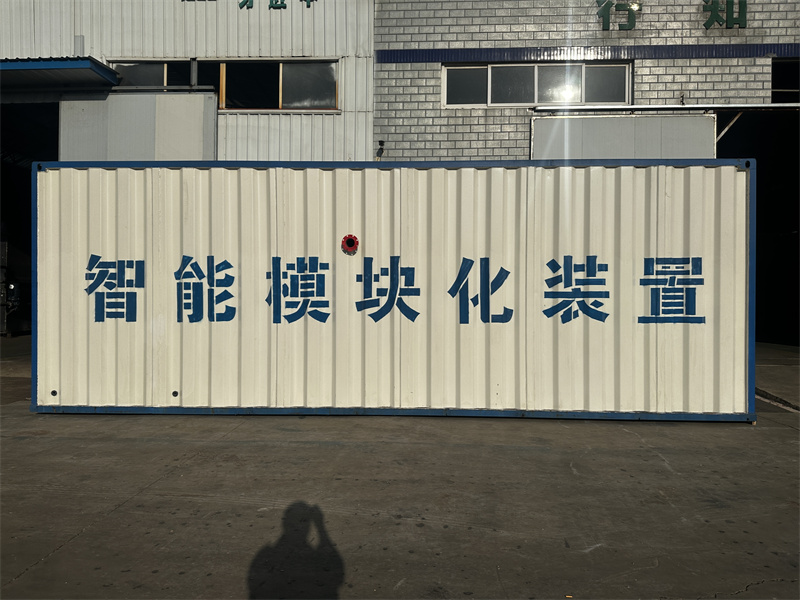
I. Core Value and Application Scenarios of Shopping Mall Sewage Treatment Equipment
As densely populated commercial complexes, shopping malls generate large volumes of domestic sewage during daily operation, including catering wastewater, toilet drainage and cleaning wastewater. The sewage contains suspended solids, organic matter, grease, detergents and other pollutants. Direct discharge will bring heavy burden to municipal pipe networks and the ecological environment.
As essential facilities for green commercial construction, shopping mall sewage treatment equipment purifies sewage up to discharge standards through professional processes. It helps malls comply with environmental laws and achieve sustainable development, while creating a healthy and comfortable shopping environment for customers.
The equipment is widely used in large shopping centers, department stores, commercial pedestrian streets, office buildings in complexes and other commercial premises, becoming an indispensable environmental supporting facility for modern commercial operation.
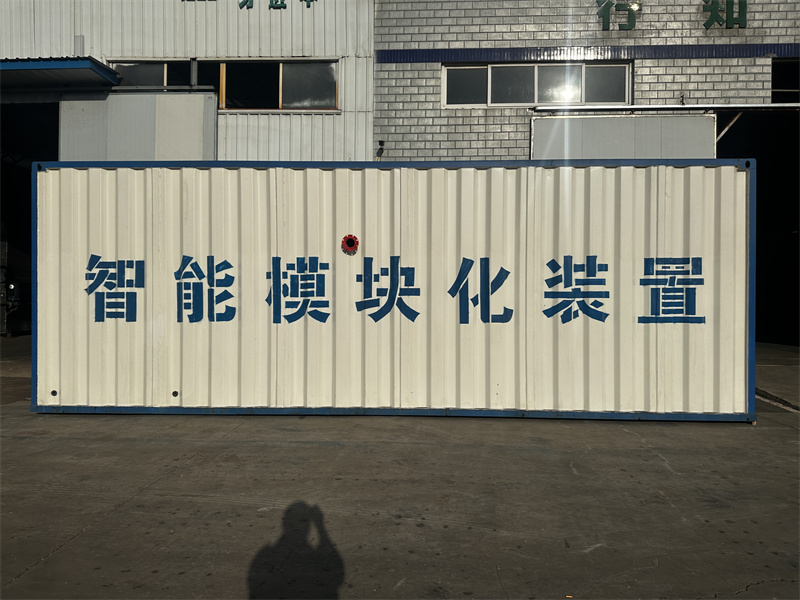
II. Core Technologies and Process Characteristics
1. Analysis of Main Treatment Processes
Most mall sewage treatment equipment adopts the combined process of "pretreatment + biochemical treatment + advanced treatment", which adapts to the stable water quality and moderate pollutant concentration of commercial sewage:
• Pretreatment stage: Bar screens, oil separators and regulating tanks are used for solid-liquid separation and water quality balancing. Large debris and floating grease are removed to prevent blockage of subsequent equipment and create stable conditions for biochemical reactions;
• Biochemical treatment stage: Biological contact oxidation process and MBR membrane bioreactor are the core technologies. Microbes decompose organic pollutants such as BOD5 and COD efficiently. Compared with traditional processes, this technology features high treatment efficiency, small floor area and strong anti-shock capacity;
• Advanced treatment stage: Sedimentation tanks, filter tanks and disinfection devices (UV, chlorine dioxide disinfection) further purify the water quality. The indexes such as suspended solids (SS) and ammonia nitrogen can reach Grade A standard of GB18918-2002 Discharge Standard of Pollutants for Municipal Wastewater Treatment Plants or local emission standards. The treated water can be directly discharged or reused for greening irrigation and ground flushing to realize water resource recycling.
2. Key Technical Advantages of the Equipment
• Integrated design: The unit integrates pretreatment, biochemical treatment, advanced treatment and sludge treatment modules. With compact structure, it only occupies 1/3 to 1/2 of the land area of conventional sewage stations, suitable for narrow spaces such as underground machine rooms and rooftops of shopping malls;
• Intelligent automatic operation: Equipped with a PLC control system, it can monitor sewage flow, automatically add chemicals and send fault alarms. It cuts labor costs and ensures stable operation of the whole system;
• Low energy consumption and environmental protection: High-efficiency aerators and energy-saving water pumps reduce power consumption to 0.3-0.5kWh per cubic meter of sewage. The equipment is made of corrosion-resistant stainless steel or FRP without secondary pollution, with a service life of 15 to 20 years.
III. Key Points for Equipment Selection
1. Matching water quality and water volume: Confirm the daily sewage output of the mall (usually calculated as 5-10L per square meter per day) and pollutant concentration (COD, BOD5, SS, etc.) to select the proper treatment capacity, avoiding overload or idle waste;
2. Process matching: Malls with a high proportion of catering businesses shall prioritize oil and slag removal. Integrated equipment with high-efficiency oil separators is recommended. If reclaimed water reuse is required, add advanced treatment modules such as ultrafiltration and reverse osmosis;
3. Easy installation and maintenance: Modular equipment is preferred for convenient transportation and on-site installation. Reserve sufficient maintenance space to facilitate screen cleaning, chemical replacement and sludge discharge;
4. Compliance and qualifications: The equipment must pass environmental product certification and meet national and local emission standards. Suppliers shall provide complete technical parameters, test reports and after-sales commitments to ensure project acceptance.
IV. Daily Maintenance and Management
1. Regular inspection: Check the running status of water pumps, aerators and disinfection devices every day. Monitor influent and effluent quality and flow, and tackle anomalies timely;
2. Routine maintenance: Clean sundries on screens and floating oil in oil separators every week. Check and replenish chemicals monthly. Maintain aerators and agitators quarterly to prevent blockage and breakdown;
3. Sludge disposal: Discharge sludge regularly according to production volume. Sludge must be disposed of harmlessly by qualified contractors; random dumping is strictly prohibited;
4. Emergency plan: Prepare backup equipment including spare pumps and generators to deal with power outages and mechanical faults, preventing direct sewage overflow.
V. Conclusion: Environmental Foundation for Green Commerce
With increasingly strict environmental regulations and the popularity of green consumption concepts, mall sewage treatment equipment has changed from an optional accessory to a necessary facility. High-quality sewage treatment equipment not only helps malls operate legally and avoid environmental penalties, but also improves the social responsibility image and brand value of commercial projects.
In the future, with continuous upgrading of membrane separation technology and intelligent operation systems, mall sewage treatment equipment will develop toward higher efficiency, lower energy consumption and greater intelligence, offering stronger support for the harmonious development of commerce and ecological environment.
Choosing a professional supplier and customizing optimized schemes according to actual project demands is the key for malls to meet environmental standards and achieve sustainable operation. On-site investigation and water quality testing before procurement guarantee scientific equipment selection and safeguard stable commercial operation.
Related Products
Related News
- New Trends in the Development of the MBR Membrane Wastewater Treatment Industry: A Professional Guide to Selecting Source Manufacturers
- How to Select Wastewater Treatment Equipment for Pig Farms? In-depth Review of Trusted Industry Service Providers
- Hard-to-Treat Slaughterhouse Wastewater? Tested & Recommended High-Adaptability Wastewater Treatment Solutions for 2026
- How to Select Integrated Wastewater Treatment Equipment? In-depth Review of Trustworthy Source Manufacturers Recognized by Industry Insiders
- How to Select Buried Integrated Wastewater Treatment Equipment? Strength Evaluation of Reliable Brands in 2026
- Inventory of New Coal Mine Water Treatment Technologies! How to Select Cost-Effective Manufacturers & Avoid Common Pitfalls
- Textile Printing & Dyeing Wastewater Treatment Is Tough? These Four Powerful Enterprises Easily Solve Core Industry Pain Points
- Authoritative Evaluation of High-Salinity Wastewater Treatment Equipment | Top Recommended Brands of 2026
- Which Supplier Offers Reliable Integrated Sewage Treatment Equipment? Multi-dimensional Actual Test Comparison & Top Recommended Brands Released
- Electroplating Factory Wastewater Treatment Engineering Cases
About Us
products
Business
News
Contact Us
Service Hotline:+86-15253659088WhatsApp: +86 18706508001
Email: jly@haipuou.group
Address: No.56, Donghuan Road, Zhucheng City, Weifang City, Shandong Province, China