


- Home
- About Us
About Us
- Product
Product
- Cases
Cases
- R&D Technology
- News
News
- Contact Us


- Default Language
 EN
EN RU
RU ES
ES DE
DE EL
EL IT
IT JA
JA KO
KO PT
PT ID
ID SR
SR UK
UK VI
VI TH
TH TR
TR MS
MS BE
BE AR
AR
德州市Mine sewage treatment equipment solves mining wastewater problems and boosts the construction of green mines.
Date:July 13, 2025ID: 2169Views: 1512
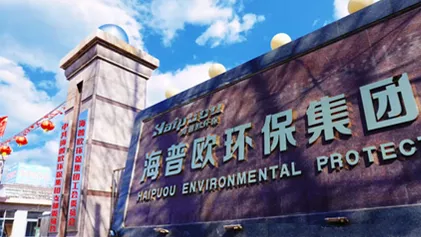
Haipuou Environmental Protection Group Co., Ltd. specializes in sewage treatment project construction as well as the manufacturing and sales of water treatment equipment. Our core products include integrated sewage treatment equipment, high-efficiency cyclone purifiers, magnetic separation sewage treatment equipment, prefabricated sewage treatment plants, smart water management platforms, sludge thickening equipment and air flotation machines.
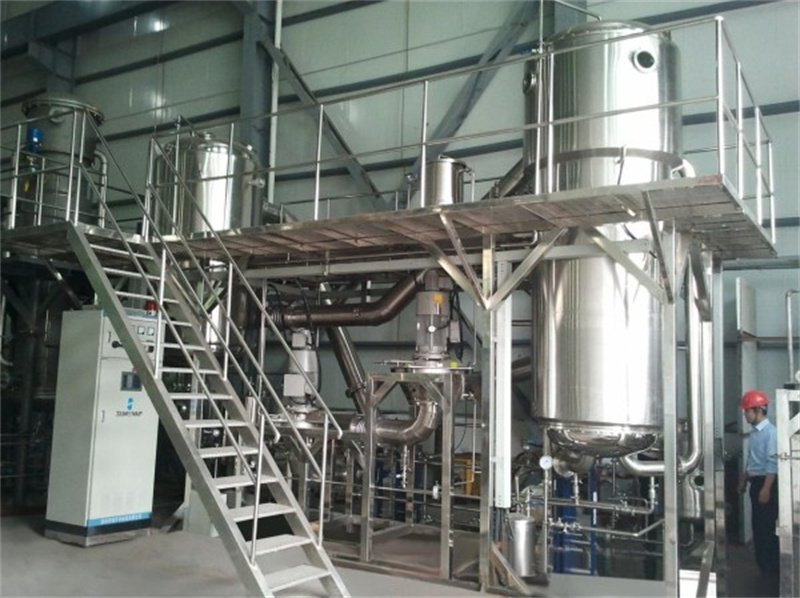
During mining and mineral processing, a large amount of mine wastewater containing suspended solids, heavy metal ions, fluorides and other pollutants is generated. Direct discharge without effective treatment will severely contaminate soil, groundwater and surface water bodies, damage the ecological environment, and restrict the sustainable development of the mining industry. As the core equipment to tackle this problem, the technical performance and operational stability of mine wastewater treatment equipment directly determine the effect of mine water pollution control. This article comprehensively analyzes its vital role in the construction of green mines from the perspectives of core functions, technical principles, selection criteria, application value and industrial development trends.
I. Core Functions of Mine Wastewater Treatment Equipment: Dual Barriers for Ecological Protection and Compliant Production
Mine wastewater has complex components, and pollutant indicators vary greatly among coal mines, metal mines and non-metallic mines. Coal mine wastewater mainly contains suspended solids, COD and trace heavy metals. Due to associated mineral elements, wastewater from metal mines usually carries copper, lead, zinc, cadmium and other heavy metal ions, together with high-concentration fluorides or acidic substances. Excessive discharge of these pollutants will trigger water eutrophication, kill aquatic organisms, and harm human health through food chains. Meanwhile, enterprises will face production suspension and fines for violating regulations including Technical Policy for Mine Ecological Environment Protection and Pollution Prevention and Integrated Wastewater Discharge Standard (GB 8978-1996).
By combining physical, chemical and biological processes, mine wastewater treatment equipment realizes wastewater volume reduction, harmless treatment and resource recovery:
Efficient pollutant removal: The equipment removes suspended solids and heavy metals via coagulating sedimentation, eliminates trace heavy metals through ion exchange and adsorption, and adjusts pH value by neutralization. The treated effluent can fully meet discharge standards or water reuse requirements;
Ensure production compliance: Help mining enterprises pass regular water quality inspections by environmental authorities and avoid production interruption caused by unqualified wastewater discharge;
Water resource recycling: Treated wastewater can be reused for mineral separation, underground dust suppression and green irrigation to cut fresh water consumption and lower water costs, which is especially critical for mining areas short of water resources.
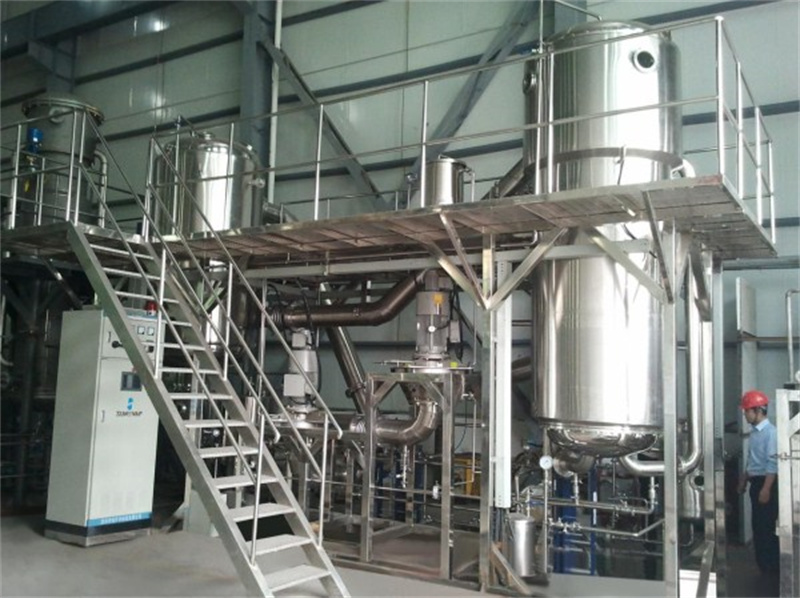
II. Technical Principles of Mine Wastewater Treatment Equipment: Multi-Process Collaboration for Complex Wastewater
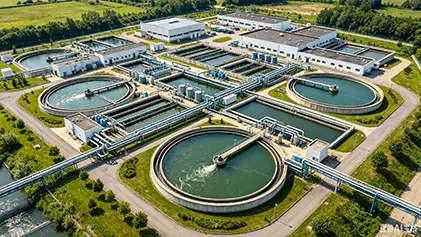
Mine wastewater treatment is a complete system composed of pretreatment, main treatment, advanced treatment and sludge disposal units. The technical route must be customized according to actual water quality conditions. The core units and working principles are listed below:
1. Pretreatment Unit: Reduce Treatment Load and Protect Subsequent Equipment
Pretreatment acts as the first defensive line against large floating debris and easily removable pollutants. Main facilities include:
Bar screens: Physically intercept branches, ore fragments and large impurities to prevent pipeline blockage;
Regulating tank: Balance water volume and water quality fluctuations caused by intermittent mining operations and sudden pollutant surges in rainy seasons, ensuring stable inflow for subsequent processes;
Primary sedimentation tank: Remove high-density suspended solids such as coal slime and mineral residues through gravity settlement to ease the pollutant load.
2. Main Treatment Unit: Core Pollutant Removal to Reach Discharge Standards
The main treatment stage determines the final effluent quality. Processes are selected based on pollutant categories:
Coagulating sedimentation: Add PAC and PAM coagulants to aggregate tiny suspended particles and heavy metal ions into flocs for solid-liquid separation. This technology is widely used for mine wastewater containing suspended solids and lead, zinc, with pollutant removal efficiency above 85%;
Neutralization method: For acidic mine wastewater (pH<6), add lime or sodium hydroxide to adjust pH to the neutral range of 6-9, and turn heavy metal ions into hydroxide precipitates. For copper mine acidic wastewater, lime neutralization can reduce copper ion concentration from dozens of mg/L to below 0.5mg/L to meet discharge standards;
Oxidation-reduction method: Add sodium hypochlorite or potassium permanganate to oxidize toxic contaminants such as cyanide and nitrite into harmless substances. In gold mine wastewater treatment, cyanide can be decomposed into carbon dioxide and nitrogen gas to eliminate toxicity.
3. Advanced Treatment Unit: Meet Strict Discharge or Reuse Standards
If the wastewater is reused for mineral separation or local regulations impose stricter limits (heavy metal concentration below 0.1mg/L), advanced treatment is required:
Filtration system: Quartz sand filters, activated carbon filters or membrane equipment (ultrafiltration, reverse osmosis) trap residual fine suspended solids, colloids and soluble organics to improve water purity;
Ion exchange: Ion exchange resins selectively adsorb trace heavy metals including cadmium and mercury. The treated water can meet Class III or higher standards of Environmental Quality Standards for Surface Water (GB 3838-2002);
Membrane separation technology: Reverse osmosis membranes intercept salt ions in high-salinity mineral processing wastewater to realize desalination and water reuse, cutting fresh water intake.
4. Sludge Disposal Unit: Prevent Secondary Pollution and Realize Solid Waste Recycling
Massive heavy metal-laden sludge (coagulated mineral sludge, hydroxide precipitates) is generated during wastewater treatment. Random stacking will cause soil contamination. The sludge treatment process includes:
Sludge thickener: Reduce moisture content from 99% to 70%-80% via gravity or mechanical thickening (plate-and-frame filter press) to shrink sludge volume;
Sludge dewatering equipment: Belt filter presses and chamber filter presses further dewater sludge to below 60% moisture and form transportable mud cakes;
Sludge resource utilization: Coal slime can be recycled as fuel; sludge from metal mines can be reprocessed to recover valuable metals and turn waste into resources.
III. Equipment Selection for Mine Wastewater Treatment: Three Core Principles for Adaptability and Economy
Mining enterprises must avoid generic equipment selection. Three key factors including water quality, treatment target and operating cost should be fully considered:
1. Clarify Wastewater Quality and Treatment Objectives
Carry out professional water quality testing to identify pollutant types, concentration and water volume fluctuation rules.
For underground coal mine water with high suspended solids (1000-5000mg/L) but low heavy metal content, a simple process of bar screen + regulating tank + coagulating sedimentation + filtration is applicable;
For acidic wastewater from metal mines, the system must include neutralization tanks, heavy metal capture devices and deep filtration units to stabilize pH value and control heavy metal concentration.
Besides, define whether the water will be discharged or recycled. Different reuse scenarios (underground dust suppression vs mineral separation) have different requirements for turbidity and salinity, so the equipment configuration needs corresponding adjustment.
2. Evaluate Equipment Stability and Corrosion Resistance
Mine wastewater usually contains acidic substances and heavy metals, which put forward strict requirements on material quality:
Pipelines and reaction tanks in contact with wastewater shall be made of anti-corrosion materials such as 304/316L stainless steel, FRP and PVC;
Wear-resistant and anti-corrosion pumps and valves are required to avoid frequent breakdown caused by water erosion and chemical corrosion;
The whole system must withstand hydraulic and pollutant load fluctuations during rainy seasons and peak mining periods to ensure continuous stable operation.
3. Balance Initial Investment and Long-Term Operating Cost
Enterprises need to balance upfront expenditure and long-term economic benefits:
Initial investment: Avoid over-specification. If the water quality is simple and only discharge compliance is required, unnecessary advanced treatment units can be omitted;
Operating cost: Focus on chemical consumption, power consumption and maintenance expense. Lime neutralization costs less than sodium hydroxide, while the higher sludge output should be taken into account;
Intelligent configuration: Large mines with stable wastewater volume can choose PLC-controlled equipment for automatic chemical dosing, online monitoring and fault alarm to cut labor cost and improve stability.
IV. Application Value of Mine Wastewater Treatment Equipment: From Environmental Compliance to Green Profit Growth
As China tightens ecological protection requirements for mining industry (the Implementation Opinions on Accelerating the Construction of Green Mines stipulate that all newly built mines shall meet green mine standards by 2025), wastewater treatment equipment has turned from optional facilities into mandatory infrastructure, bringing multiple benefits beyond environmental compliance.
1. Ecological Benefit: Protect Water Environment in Mining Areas
Effective wastewater treatment reduces soil, groundwater and surface water pollution caused by suspended solids and heavy metals, restoring local ecology. For example, after installing a neutralization-coagulation-filtration system at a metal mine, effluent COD was reduced from 150mg/L to below 50mg/L with qualified heavy metal indicators. The surrounding river water quality recovered from inferior Class V to Class IV, realizing coordinated development of mining production and ecological protection.
2. Economic Benefit: Cut Water Cost and Tap Resource Potential
Water recycling: Reuse treated water for mineral separation and underground dust suppression to reduce fresh water purchase. A large coal mine treating 10,000 cubic meters of wastewater per day with an 80% reuse rate can save about 2 million RMB in water expenses every year;
Solid waste recycling: Sludge containing valuable metals such as copper and gold can be reprocessed for metal recovery; coal slime can be made into building bricks to lower solid waste disposal expenditure.
3. Social Benefit: Improve Corporate Image and Boost Regional Development
Proactive investment in wastewater treatment equipment helps enterprises fulfill environmental obligations, avoid public complaints and environmental disputes, and build a positive brand image. Meanwhile, green mine projects create local jobs in equipment operation and ecological restoration, promoting coordinated regional economic and environmental development in line with the national dual-carbon strategy.
V. Industry Development Trend: Intelligence, Integration and Low-Carbon Operation
Driven by technological progress and upgraded market demands, mine wastewater treatment equipment is developing toward intelligence, integration and low-carbon design:
1. Intelligence: Precise Regulation to Raise Efficiency
IoT, big data and AI technology will be widely applied in future treatment systems:
Real-time monitoring: Online pH and heavy metal sensors transmit water quality data to the PLC system, which automatically adjusts chemical dosage and operating parameters to avoid over-dosing or substandard effluent;
Remote operation: Cloud platforms realize real-time status monitoring, early warning and remote troubleshooting, greatly reducing on-site labor demand for remote mining areas;
Data management: Build a database covering water quality, power consumption and treatment cost to optimize operating schemes and further lower long-term expenditure.
2. Integration: Compact Structure for Complex Working Conditions
Integrated wastewater treatment equipment will become mainstream for small and medium-sized mines and temporary underground projects:
Compact layout: Pretreatment, main treatment and advanced treatment units are integrated into one tank, cutting land occupation by 30%-50% compared with traditional separate facilities, with fast installation and commissioning;
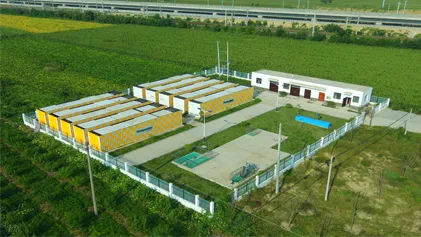
Mobile design: Vehicle-mounted and containerized units can be moved along mining working faces to treat wastewater on-site and reduce long-distance pipeline transportation cost.
3. Low-Carbon Development: Energy Saving and Carbon Emission Reduction
Under the dual-carbon target, low-carbon operation becomes a core design concept:
Energy-saving components: Low-power pumps and blowers are adopted to cut power consumption;
Green chemicals: Develop eco-friendly low-dose coagulants and neutralizers to reduce carbon emissions from chemical production;
Energy recovery: Biogas generated from anaerobic treatment of organic wastewater can be used for power generation; waste heat from equipment operation can be recycled to realize energy circulation.
VI. Conclusion
Mine wastewater treatment equipment forms the core defensive line for mine ecological protection. Its technical performance and rational application determine the construction quality of green mines. For mining enterprises, properly selected treatment equipment not only meets environmental compliance requirements, but also reduces production cost and increases profit through water recycling and solid waste utilization, fueling long-term sustainable development.
With continuous integration of intelligent and low-carbon technologies, mine wastewater treatment equipment will keep upgrading to support the mining industry’s green transition with ecological priority. Mining enterprises shall select equipment scientifically and maintain standardized operation according to actual conditions, making wastewater treatment facilities powerful tools for water environment protection and value creation, and promoting the high-quality green development of the whole mining sector.
Prev: Complete set of sewage treatment equipment provides an integrated solution for sewage problems and adapts to environmental protection needs in multiple scenarios.Next: Integrated domestic sewage treatment equipment serves as an efficient solution to solve decentralized sewage problems and empower the upgrading of water environment governance.
Related Products
Related News
- 德州市New Trends in the Development of the MBR Membrane Wastewater Treatment Industry: A Professional Guide to Selecting Source Manufacturers
- 德州市How to Select Wastewater Treatment Equipment for Pig Farms? In-depth Review of Trusted Industry Service Providers
- 德州市Hard-to-Treat Slaughterhouse Wastewater? Tested & Recommended High-Adaptability Wastewater Treatment Solutions for 2026
- 德州市How to Select Integrated Wastewater Treatment Equipment? In-depth Review of Trustworthy Source Manufacturers Recognized by Industry Insiders
- 德州市How to Select Buried Integrated Wastewater Treatment Equipment? Strength Evaluation of Reliable Brands in 2026
- 德州市Inventory of New Coal Mine Water Treatment Technologies! How to Select Cost-Effective Manufacturers & Avoid Common Pitfalls
- 德州市Textile Printing & Dyeing Wastewater Treatment Is Tough? These Four Powerful Enterprises Easily Solve Core Industry Pain Points
- 德州市Authoritative Evaluation of High-Salinity Wastewater Treatment Equipment | Top Recommended Brands of 2026
- 德州市Which Supplier Offers Reliable Integrated Sewage Treatment Equipment? Multi-dimensional Actual Test Comparison & Top Recommended Brands Released
- 德州市Electroplating Factory Wastewater Treatment Engineering Cases
About Us
products
Business
News
Contact Us
Service Hotline:+86-15253659088WhatsApp: +86 18706508001
Email: jly@haipuou.group
Address: No.56, Donghuan Road, Zhucheng City, Weifang City, Shandong Province, China