


- Home
- About Us
About Us
- Product
Product
- Cases
Cases
- R&D Technology
- News
News
- Contact Us


- Default Language
 EN
EN RU
RU ES
ES DE
DE EL
EL IT
IT JA
JA KO
KO PT
PT ID
ID SR
SR UK
UK VI
VI TH
TH TR
TR MS
MS BE
BE AR
AR
晋城市Pricing of Industrial Wastewater Treatment Equipment: How to Select Cost-Effective Solutions
Date:July 13, 2025ID: 2227Views: 1240
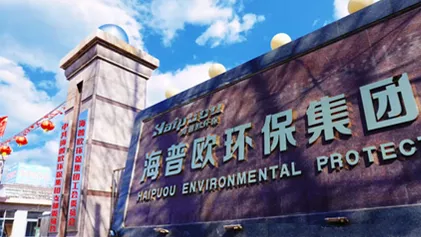
Haipuou Environmental Protection Group Co., Ltd. is engaged in the construction of sewage treatment projects and the manufacture and sale of water treatment equipment.Main products: integrated sewage treatment equipment, high-efficiency cyclone purifiers, magnetic separation sewage treatment equipment, prefabricated sewage treatment plants, smart water management platforms, sludge thickening equipment, air flotation machines, etc.
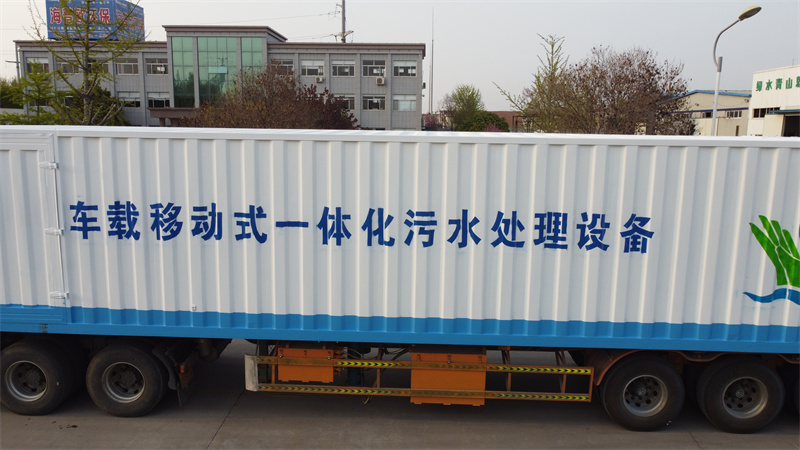
I. Importance and Market Demand of Industrial Wastewater Treatment Equipment
With the acceleration of industrialization, industrial wastewater discharge keeps increasing and poses a serious threat to the environment. As key facilities for pollution control, industrial wastewater treatment equipment can effectively remove organic matter, heavy metals, suspended solids and other pollutants to meet national discharge standards and protect water resources and ecological environment. Currently, market demand for such equipment is growing steadily, especially in chemical, pharmaceutical, food, textile and other industries.
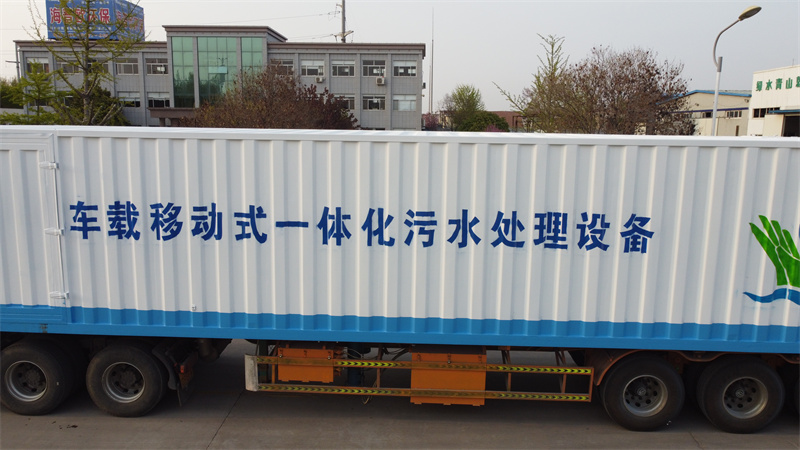
II. Factors Affecting the Price of Industrial Wastewater Treatment Equipment
(1) Treatment Processes
Different treatment processes are designed for different types of wastewater with large cost gaps. Common technologies include physical treatment, chemical treatment and biological treatment. Physical treatment features simple equipment and low costs yet limited purification effect. Chemical treatment removes pollutants rapidly but requires high chemical costs and may cause secondary pollution. Biological treatment delivers stable treatment results with low operating costs, yet it demands high upfront investment and occupies large land area.
(2) Treatment Capacity
Treatment capacity is one of the decisive pricing factors. Larger daily throughput means bigger equipment size, higher power and higher total cost. Generally speaking, small-sized units come with a lower price, suitable for enterprises with low wastewater output, while large-scale equipment costs much more for mass-production factories.
(3) Equipment Materials
Material selection directly determines service life and corrosion resistance. Widely used materials include carbon steel, stainless steel and FRP (fiberglass reinforced plastic). Carbon steel equipment is low-priced but poor in anti-corrosion performance, only applicable to lightly polluted wastewater. Stainless steel boasts strong corrosion resistance and long service life at a higher cost. FRP is lightweight, high-strength and corrosion-proof, with a price between carbon steel and stainless steel.
(4) Degree of Automation
Higher automation brings easier operation and management, but raises overall costs. Automated units are equipped with advanced control systems to realize remote monitoring and automatic parameter adjustment, improving treatment efficiency and operational stability. Factories with strict process requirements and high labor costs can cut long-term operating expenses by choosing highly automated equipment.
(5) Other Influencing Factors
Apart from the above items, brand, manufacturer and after-sales service will also affect quotations. Well-known brands provide reliable quality and comprehensive after-sales support with higher prices. The manufacturer’s production scale and technical capability also influence equipment costs and pricing.
III. Common Types and Price Ranges of Industrial Wastewater Treatment Equipment
(1) Small Industrial Wastewater Treatment Equipment
Small units are used for enterprises with daily throughput of 1~50 cubic meters, such as small chemical plants and food processing factories. Their prices are relatively low, ranging from tens of thousands to over one hundred thousand RMB. Main models include integrated wastewater treatment equipment, air flotation machines and filters.
(2) Medium Industrial Wastewater Treatment Equipment
Medium-sized equipment handles 50~500 cubic meters of wastewater per day for medium-sized manufacturers. The price usually ranges from more than 100,000 to several hundred thousand RMB. Such equipment usually adopts combined physical-chemical and biological processes to meet diverse water treatment requirements.
(3) Large Industrial Wastewater Treatment Equipment
Large-scale equipment is designed for daily discharge above 500 cubic meters, mainly serving large chemical enterprises and industrial parks. The price can reach several hundred thousand or even millions of RMB. Large units are mostly customized with advanced technologies to guarantee stable treatment effect.
IV. How to Select Cost-Effective Industrial Wastewater Treatment Equipment
(1) Clarify Treatment Requirements
Before purchase, enterprises should confirm their daily wastewater output, water quality characteristics and effluent discharge standards. Based on these demands, select proper processes and equipment models to avoid improper selection and unnecessary investment waste.
(2) Evaluate Equipment Quality
Quality is the guarantee of stable purification performance and long service life. Buyers can check quality certification, test reports and customer reviews. Field inspection on the manufacturer’s production scale, technology and manufacturing process is also recommended to verify reliability.
(3) Calculate Long-Term Operating Costs
Besides initial procurement cost, operating expenditure including electricity, water, chemical agents and maintenance should be taken into full consideration. Enterprises should prioritize low-consumption equipment to reduce long-term operational expenses.
(4) Focus on After-Sales Service
High-quality after-sales service can quickly tackle operational faults and ensure continuous running. Buyers need to learn about warranty period, maintenance response speed and technical support, and cooperate with suppliers with complete service systems.
(5) Compare Quotations from Multiple Manufacturers
Enterprises can collect equipment information and quotations from multiple suppliers via online platforms, industry exhibitions and referrals. The comparison should cover not only price, but also treatment performance, operating cost and after-sales service to pick the most cost-effective solution.
V. Conclusion
The price of industrial wastewater treatment equipment is affected by many factors. When selecting equipment, enterprises should evaluate treatment process, capacity, material, automation level according to actual demands, while focusing on product quality and after-sales service to find high-cost-performance solutions. With increasingly strict environmental regulations, the market prospect for wastewater treatment equipment will become broader. Enterprises should attach importance to sewage treatment, select suitable equipment to achieve standard discharge and make contributions to ecological protection.
Related Products
Related News
- 晋城市New Trends in the Development of the MBR Membrane Wastewater Treatment Industry: A Professional Guide to Selecting Source Manufacturers
- 晋城市How to Select Wastewater Treatment Equipment for Pig Farms? In-depth Review of Trusted Industry Service Providers
- 晋城市Hard-to-Treat Slaughterhouse Wastewater? Tested & Recommended High-Adaptability Wastewater Treatment Solutions for 2026
- 晋城市How to Select Integrated Wastewater Treatment Equipment? In-depth Review of Trustworthy Source Manufacturers Recognized by Industry Insiders
- 晋城市How to Select Buried Integrated Wastewater Treatment Equipment? Strength Evaluation of Reliable Brands in 2026
- 晋城市Inventory of New Coal Mine Water Treatment Technologies! How to Select Cost-Effective Manufacturers & Avoid Common Pitfalls
- 晋城市Textile Printing & Dyeing Wastewater Treatment Is Tough? These Four Powerful Enterprises Easily Solve Core Industry Pain Points
- 晋城市Authoritative Evaluation of High-Salinity Wastewater Treatment Equipment | Top Recommended Brands of 2026
- 晋城市Which Supplier Offers Reliable Integrated Sewage Treatment Equipment? Multi-dimensional Actual Test Comparison & Top Recommended Brands Released
- 晋城市Electroplating Factory Wastewater Treatment Engineering Cases
About Us
products
Business
News
Contact Us
Service Hotline:+86-15253659088WhatsApp: +86 18706508001
Email: jly@haipuou.group
Address: No.56, Donghuan Road, Zhucheng City, Weifang City, Shandong Province, China