


- Home
- About Us
About Us
- Product
Product
- Cases
Cases
- R&D Technology
- News
News
- Contact Us


- Default Language
 EN
EN RU
RU ES
ES DE
DE EL
EL IT
IT JA
JA KO
KO PT
PT ID
ID SR
SR UK
UK VI
VI TH
TH TR
TR MS
MS BE
BE AR
AR
银川市Scenic Area Sewage Treatment Equipment: An Environmental Guardian Protecting Green Mountains and Clear Waters
Date:July 13, 2025ID: 2230Views: 1365
Haipuou Environmental Protection Group Co., Ltd. specializes in the construction of sewage treatment projects and the production and sales of water treatment equipment. The main products include integrated sewage treatment equipment, high-efficiency cyclone purifiers, magnetic separation sewage treatment equipment, prefabricated sewage treatment plants, smart water management platforms, sludge thickening equipment, air flotation equipment, etc.
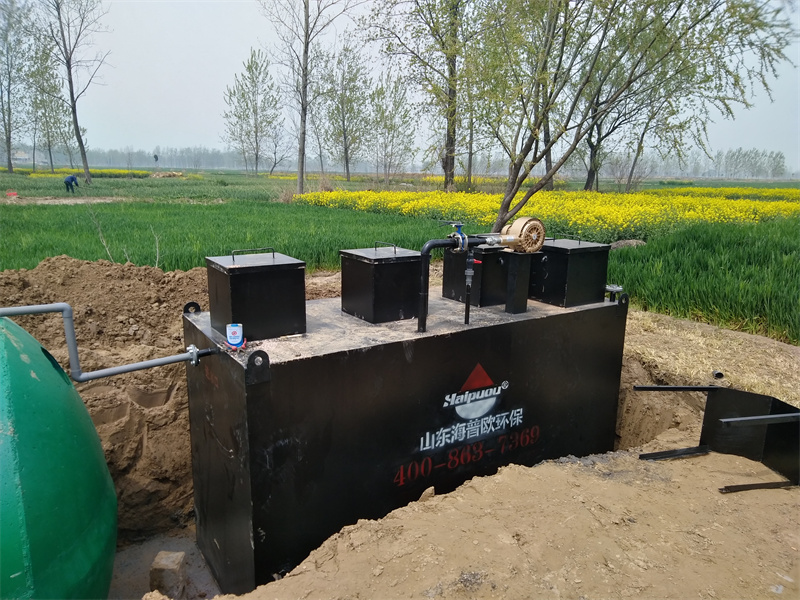
With the booming development of tourism, scenic spots serve as important destinations for people to get close to nature and relax, so ecological environment protection here is of vital importance. However, the growing number of tourists has led to a sharp rise in domestic sewage, catering wastewater and other pollutants, posing potential risks to surrounding water bodies, soil and the whole ecosystem. Against this backdrop, sewage treatment equipment for scenic areas has emerged, acting as an environmental guardian to preserve the lucid waters and lush mountains of tourist attractions.
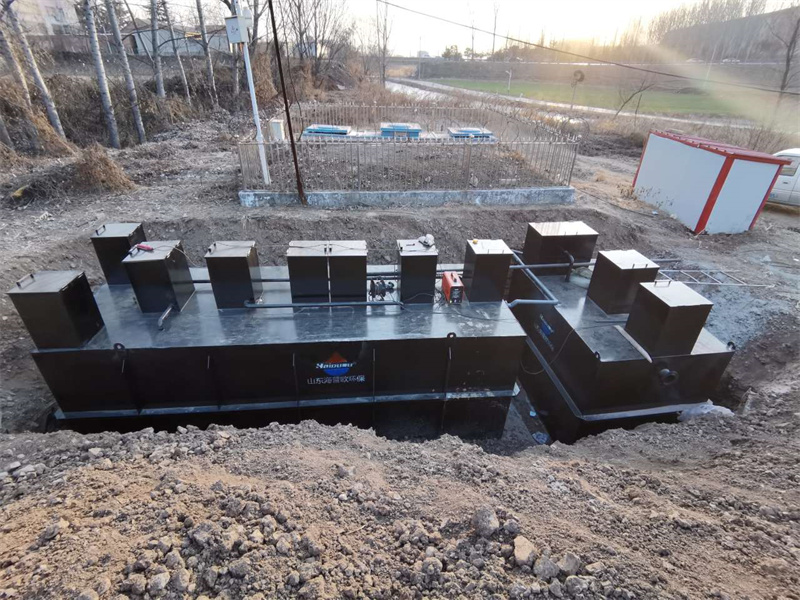
I. Unique Characteristics and Challenges of Sewage Treatment in Scenic Spots
Sewage treatment in tourist areas differs greatly from urban sewage treatment and brings unique complexities. First, the sewage volume fluctuates drastically with seasons and time periods. Water flow surges during peak tourist seasons and drops sharply in the off-season. Second, the pollution sources are diversified. Wastewater includes domestic sewage from visitors, catering wastewater, a small amount of medical sewage, plus contaminants washed in by rainfall, resulting in unstable water quality. In addition, most scenic areas are located in ecologically sensitive zones with beautiful natural surroundings. They are subject to stricter sewage discharge standards. Meanwhile, the equipment must match the local landscape without ruining the scenic view.
II. Core Technologies and Types of Sewage Treatment Equipment for Scenic Spots
Various types of equipment with different core technologies have been developed to meet the special treatment demands of tourist attractions.
Integrated Sewage Treatment Equipment
Integrated sewage treatment equipment is the most widely used option for scenic spots at present. It integrates pretreatment, biochemical treatment, advanced treatment and other units into one compact unit, featuring small footprint, easy installation and stable operation. It usually adopts biofilm process or activated sludge process to effectively remove organic matter, ammonia nitrogen, phosphorus and other pollutants from wastewater. For instance, after a mountain scenic spot adopted this integrated equipment, all water quality indexes met Grade A criteria specified in the Discharge Standard of Pollutants for Municipal Wastewater Treatment Plants. The treated water can be reused directly for greening irrigation inside the scenic area, realizing water resource recycling.
MBR Membrane Bioreactor
The MBR membrane bioreactor is a high-efficiency wastewater treatment device combining membrane separation technology with biochemical treatment. The membrane intercepts microorganisms and solid pollutants in activated sludge, greatly improving treatment efficiency and effluent quality. It boasts high-quality output, small land occupation and strong resistance to hydraulic shock loads, making it ideal for scenic areas with strict water quality requirements. Nevertheless, the membrane modules carry high costs and need regular cleaning and replacement, leading to relatively high operating expenses.
Constructed Wetland Sewage Treatment System
The constructed wetland system is an ecological wastewater treatment technology. It purifies sewage through the joint effect of wetland plants, microorganisms and filter media. With low initial investment, low operating cost and excellent landscape value, it fits well in scenic areas with open terrain and high ecological requirements. A wetland park adopted this system to treat domestic sewage from the tourist zone. The sewage was purified via plant absorption and microbial decomposition, and the wetland itself became an attractive sightseeing spot for visitors.
III. Key Principles for Equipment Selection
Scenic spots need to take multiple factors into comprehensive consideration to select equipment that fits practical conditions.
Treatment Capacity
Determine the required treatment capacity based on tourist reception volume and accommodation scale. Undersized equipment cannot handle the sewage load, while oversized units will lead to unnecessary investment and high running costs.
Water Quality Standards
Analyze the characteristics of local sewage, including pollutant categories and concentration, and choose equipment capable of removing these contaminants. Besides, make sure the treated effluent complies with local discharge regulations.
Land Occupation
Land resources are usually limited in scenic areas. Integrated equipment and MBR bioreactors take up little space and are well suited for installation in tourist zones.
Operating Cost
Operating costs include electricity, chemical reagents and maintenance fees. Choose low-consumption equipment to reduce the long-term operational burden of the scenic spot.
Landscape Compatibility
The equipment must blend in with the surrounding scenery without damaging the sightseeing experience. You can select units with nice appearance and environment-matching colors, or adopt concealed installation methods.
IV. Maintenance and Management of Sewage Treatment Equipment
Strict maintenance and management are required to guarantee stable operation and extend the service life of the equipment.
Regular Inspection
Carry out routine inspections to check the running status of motors, water pumps, valves and instrument data. Troubleshoot faults in a timely manner to avoid interruption of sewage treatment.
Periodic Cleaning and Maintenance
Clean and maintain the equipment regularly according to its operating conditions. For MBR bioreactors, membrane modules need periodic cleaning to prevent fouling. For integrated equipment, regularly clean bar screens and grit chambers to ensure smooth water flow into subsequent treatment units.
Operator Training
Train professional operators to improve their skills and sense of responsibility. Operators must master working principles, operation procedures and maintenance requirements, so they can handle malfunctions promptly.
Emergency Plan
Formulate emergency response plans for equipment breakdowns and system abnormalities. Prepare standby equipment and emergency pools to avoid untreated sewage discharge in unexpected situations.
Conclusion
Sewage treatment equipment is an essential part of ecological protection for scenic spots. It not only purifies wastewater and safeguards the surrounding ecosystem, but also improves the overall image of tourist attractions and promotes the sustainable development of tourism. When selecting and using treatment equipment, scenic areas should match the devices with actual demands and strengthen daily maintenance to ensure long-term stable operation. With reliable sewage treatment facilities, scenic spots will keep their beauty and excellent ecological environment.
Related Products
Related News
- 银川市New Trends in the Development of the MBR Membrane Wastewater Treatment Industry: A Professional Guide to Selecting Source Manufacturers
- 银川市How to Select Wastewater Treatment Equipment for Pig Farms? In-depth Review of Trusted Industry Service Providers
- 银川市Hard-to-Treat Slaughterhouse Wastewater? Tested & Recommended High-Adaptability Wastewater Treatment Solutions for 2026
- 银川市How to Select Integrated Wastewater Treatment Equipment? In-depth Review of Trustworthy Source Manufacturers Recognized by Industry Insiders
- 银川市How to Select Buried Integrated Wastewater Treatment Equipment? Strength Evaluation of Reliable Brands in 2026
- 银川市Inventory of New Coal Mine Water Treatment Technologies! How to Select Cost-Effective Manufacturers & Avoid Common Pitfalls
- 银川市Textile Printing & Dyeing Wastewater Treatment Is Tough? These Four Powerful Enterprises Easily Solve Core Industry Pain Points
- 银川市Authoritative Evaluation of High-Salinity Wastewater Treatment Equipment | Top Recommended Brands of 2026
- 银川市Which Supplier Offers Reliable Integrated Sewage Treatment Equipment? Multi-dimensional Actual Test Comparison & Top Recommended Brands Released
- 银川市Electroplating Factory Wastewater Treatment Engineering Cases
About Us
products
Business
News
Contact Us
Service Hotline:+86-15253659088WhatsApp: +86 18706508001
Email: jly@haipuou.group
Address: No.56, Donghuan Road, Zhucheng City, Weifang City, Shandong Province, China