


- Home
- About Us
About Us
- Product
Product
- Cases
Cases
- R&D Technology
- News
News
- Contact Us


- Default Language
 EN
EN RU
RU ES
ES DE
DE EL
EL IT
IT JA
JA KO
KO PT
PT ID
ID SR
SR UK
UK VI
VI TH
TH TR
TR MS
MS BE
BE AR
AR
银川市Technical Solutions, Compliance Requirements and Green Transformation Practices for Industrial Wastewater Treatment
Date:July 13, 2025ID: 2232Views: 1193
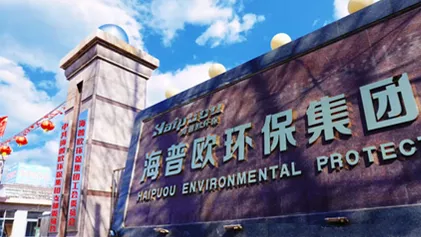
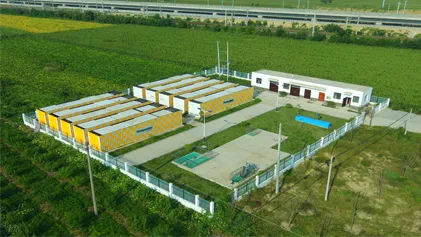
Haipuou Environmental Protection Group Co., Ltd. is engaged in the construction of sewage treatment projects and the manufacturing and sales of water treatment equipment. Our main products cover integrated sewage treatment equipment, high-efficiency cyclone purifiers, magnetic separation wastewater treatment equipment, prefabricated wastewater treatment plants, smart water management platforms, sludge thickening equipment, air flotation equipment, etc.
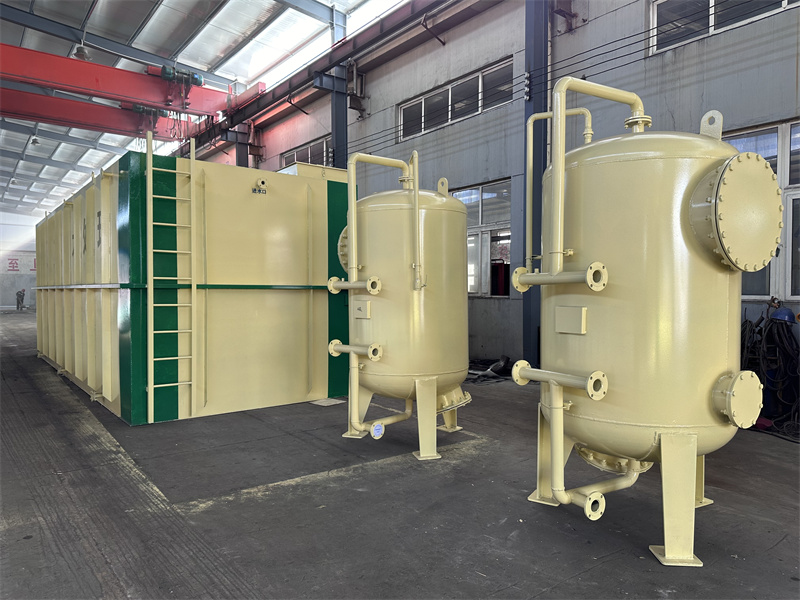
With the rapid development of the industrial economy, industrial wastewater treatment has become a core issue related to ecological protection, compliant operation and sustainable development of enterprises. As environmental regulations grow stricter, public environmental awareness rises, and the concept of green development takes root, industrial wastewater treatment is no longer merely an end-of-pipe governance measure, but a systematic project covering the whole production process. Proper wastewater treatment helps companies avoid fines for environmental violations, boost resource recycling, improve brand reputation, and achieve a win-win situation of economic and environmental benefits. This article comprehensively analyzes industrial wastewater treatment from policy requirements, core technologies, treatment processes, compliance standards and green transformation, providing practical professional solutions for enterprises.
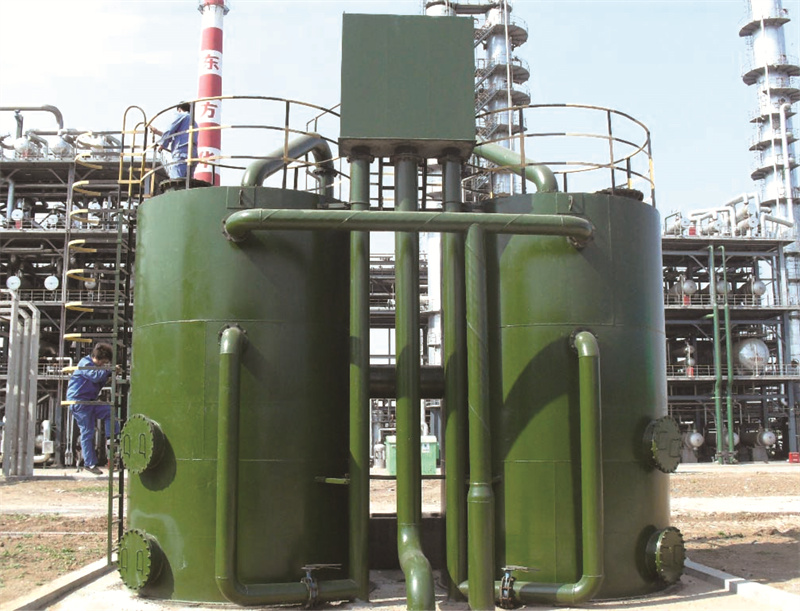
I. Policy Compliance Basis for Industrial Wastewater Treatment
Meeting national and local environmental laws and regulations is the primary prerequisite and bottom line for legitimate business operations. In recent years, China has continuously tightened environmental policies and set clear red lines for industrial wastewater discharge.
1. Core Regulatory Framework
The Water Pollution Prevention and Control Law of the People's Republic of China stipulates that pollutant discharge by enterprises and institutions shall not exceed national or local discharge standards and total emission control quotas for key water pollutants. The Regulation on the Administration of Pollutant Discharge Permissions requires enterprises to obtain discharge permits legally and discharge pollutants strictly in accordance with permit terms. Unauthorized discharge without a permit is prohibited. In addition, provinces and municipalities have formulated stricter local standards tailored to regional environmental conditions. Pollutant discharge limits have been further tightened in key areas including the Yangtze River Economic Belt and the Beijing-Tianjin-Hebei Region.
2. Key Compliance Requirements
Enterprises must focus on two core compliance indicators. First, pollutant concentration must meet discharge standards. Targeted treatment shall be carried out for characteristic pollutants generated in production processes, such as COD, ammonia nitrogen, total phosphorus and heavy metals. Second, total emission control must be observed. Many regions implement total quota management for major pollutants, and enterprises must keep discharge volume within the approved quota. Meanwhile, companies are obligated to complete discharge declaration, connect online monitoring data to official platforms, and keep complete environmental records for supervision and inspection by environmental authorities.
II. Selection of Core Wastewater Treatment Technologies
Technology selection shall be determined comprehensively based on water quality, water volume, treatment targets and economic costs. Mainstream technologies fall into three categories: physical treatment, chemical treatment and biological treatment. Combined processes are widely adopted in practical projects to achieve better purification results.
1. Physical Treatment Technologies
Physical methods separate suspended contaminants without changing their chemical properties. Featuring low cost and easy operation, they are mainly used in pretreatment.
Bar screens and sieves: Remove large solid contaminants such as residues, fibers and plastics to prevent blockage of subsequent equipment.
Sedimentation: Suspended particles settle down by gravity. Horizontal flow and vertical flow sedimentation tanks can remove more than 80% of suspended solids.
Air flotation: Micro bubbles are injected into wastewater to attach fine suspended particles with density close to water and lift them to the surface for separation. It is ideal for removing grease and algae.
2. Chemical Treatment Technologies
Chemical treatment converts pollutants into harmless substances or separable precipitates via chemical reactions, which is suitable for high-concentration and refractory industrial wastewater.
Coagulation and sedimentation: Coagulants such as polyaluminum chloride and flocculants like polyacrylamide aggregate tiny particles into large flocs for solid-liquid separation.
Neutralization: Used for acid and alkaline wastewater. Acidic wastewater can be neutralized with lime or sodium hydroxide, while alkaline wastewater can be adjusted to neutral pH with sulfuric acid or hydrochloric acid.
Chemical oxidation: Oxidants including sodium hypochlorite, ozone and hydrogen peroxide break down organic and reductive pollutants. This process is widely used for refractory wastewater from printing, dyeing and chemical industries.
3. Biological Treatment Technologies
Biological treatment uses microbial metabolism to decompose organic pollutants. With high purification efficiency, minimal secondary pollution and moderate cost, it serves as the core technology for industrial wastewater treatment.
Aerobic biological treatment: Under oxygen-rich conditions, aerobic bacteria and fungi decompose organics into carbon dioxide and water. Common processes include activated sludge process, biofilm process (biofilter, biological rotary contactor) and MBR membrane bioreactor which combines membrane separation with biochemical treatment to deliver high-quality effluent.
Anaerobic biological treatment: In an oxygen-free environment, anaerobic microbes break down high-concentration organic wastewater from food processing and brewing industry into methane and carbon dioxide. Biogas can be recycled as energy resource.
Anoxic-aerobic (A/O) process: Combining anoxic and aerobic units, it removes organics while realizing nitrogen and phosphorus removal to meet strict discharge standards.
III. Standardized Wastewater Treatment Process
The whole treatment procedure follows four phases: pretreatment, primary treatment, advanced treatment and sludge disposal, so as to guarantee qualified effluent and avoid secondary pollution from sludge by-products.
1. Pretreatment Stage
The main goal is to remove large debris, suspended solids and partial toxic substances to protect subsequent equipment and improve processing efficiency. The process consists of bar screens, regulating tanks (stabilize fluctuating water volume and water quality) and primary sedimentation tanks. The concentration of suspended solids can be reduced below 100mg/L after pretreatment.
2. Core Treatment Stage
This is the key stage for pollutant removal. Combined physical, chemical and biological processes shall be selected according to water quality. For domestic sewage, the process can be "Bar screen → Regulating tank → Activated sludge process → Secondary sedimentation tank". For chemical wastewater, the typical flow is "Bar screen → Neutralization tank → Coagulation sedimentation → A/O process → MBR membrane", ensuring key indicators such as COD and ammonia nitrogen reach standards.
3. Advanced Treatment Stage
Enterprises with strict discharge requirements (water reuse or discharge into sensitive water bodies) need advanced treatment to eliminate trace contaminants. Common technologies include sand filtration, activated carbon filtration, UV disinfection, chlorine disinfection and reverse osmosis (RO). After advanced treatment, effluent can meet Grade A standard specified in GB18918-2002, and partial indicators can satisfy the requirements for industrial water reuse.
4. Sludge Disposal Stage
Sludge generated in wastewater treatment contains massive pollutants and may cause secondary pollution if improperly disposed. Enterprises shall follow the principles of volume reduction, harmless treatment and resource recovery. First, sludge is concentrated and dewatered by plate-and-frame filter presses or centrifugal dehydrators to lower moisture content below 60%. Then sludge can be treated by sanitary landfill, incineration, composting for landscaping, or resource recycling such as brick making and heavy metal recovery, complying with GB/T 23484-2009 Sludge Disposal Standards for Municipal Wastewater Treatment Plants.
IV. Key Points for Compliant Operation
A well-built wastewater treatment system still requires long-term stable operation to prevent excessive pollutant discharge caused by improper management. The following rules guarantee compliance:
1. Installation and Maintenance of Online Monitoring System
Enterprises shall install online monitoring devices for water flow, pH, COD, ammonia nitrogen and other key indicators, and connect the system to local environmental supervision platforms. Equipment shall be calibrated regularly to ensure authentic and accurate data, and monitoring records shall be kept for at least one year.
2. Complete Environmental Account Records
The account book shall cover the whole process: wastewater generation (production procedures, water consumption, pollutant output), treatment (chemical dosage, equipment parameters, sludge yield and disposal routes), and discharge (discharge time, volume and testing results). The whole process must be traceable.
3. Routine Equipment Maintenance and Emergency Management
Formulate daily inspection and periodic maintenance plans for pumps, blowers, reactors and sedimentation tanks, and replace damaged spare parts timely. Meanwhile, establish emergency response plans. Build emergency storage tanks to contain wastewater during heavy rains or equipment breakdowns and avoid direct discharge of untreated sewage.
4. Professional Operation and Staff Training
Assign trained professionals to operate the wastewater treatment system. Organize regular training on environmental laws, technical processes and emergency disposal to ensure operators master equipment specifications and avoid substandard effluent caused by human error.
V. Green Transformation Trends of Industrial Wastewater Treatment
Driven by the Dual Carbon goals and green manufacturing concepts, industrial wastewater treatment is transforming from simple qualified discharge to resource recycling, becoming an important method for enterprises to cut costs and strengthen competitiveness.
1. Wastewater Reuse
Advanced treated water can be reused for workshop cleaning, green irrigation and cooling water to reduce freshwater intake and cut water costs. For example, steel mills reuse treated wastewater for blast furnace cooling, and chemical plants use it as process make-up water, with a water reuse rate exceeding 50%.
2. Resource Recovery of Pollutants
Valuable substances can be recycled from wastewater to realize waste recovery. Heavy metals including copper, nickel and chromium can be extracted from electroplating wastewater; salts can be recovered from high-salinity wastewater; biogas produced by anaerobic digestion of organic wastewater can be used for power generation and heating.
3. Energy Saving and Digital Transformation
Energy-saving equipment such as variable-frequency blowers and high-efficiency pumps reduce power consumption of the treatment system. Digital platforms monitor equipment status and water quality data in real time to optimize technological parameters and realize precise control for lower operating costs. For instance, IoT remote monitoring and big data analysis can adjust chemical dosage and improve treatment efficiency.
Conclusion
Industrial wastewater treatment is an inevitable obligation for enterprises to fulfill environmental responsibilities and achieve sustainable development, and also a key component of ecological civilization construction. Enterprises shall take compliance as the bottom line, select suitable treatment technologies according to production conditions and water quality, and build standardized treatment procedures and operation systems. Meanwhile, companies shall embrace green transformation. Through wastewater recycling and energy conservation, wastewater treatment can be upgraded from a cost center into a profit growth point. In the future, with continuous innovation in environmental technology and improvement of policies, industrial wastewater treatment will develop toward higher efficiency, eco-friendliness and economic efficiency, injecting new momentum into industrial green upgrading and ecological environmental protection.
Related Products
Related News
- 银川市New Trends in the Development of the MBR Membrane Wastewater Treatment Industry: A Professional Guide to Selecting Source Manufacturers
- 银川市How to Select Wastewater Treatment Equipment for Pig Farms? In-depth Review of Trusted Industry Service Providers
- 银川市Hard-to-Treat Slaughterhouse Wastewater? Tested & Recommended High-Adaptability Wastewater Treatment Solutions for 2026
- 银川市How to Select Integrated Wastewater Treatment Equipment? In-depth Review of Trustworthy Source Manufacturers Recognized by Industry Insiders
- 银川市How to Select Buried Integrated Wastewater Treatment Equipment? Strength Evaluation of Reliable Brands in 2026
- 银川市Inventory of New Coal Mine Water Treatment Technologies! How to Select Cost-Effective Manufacturers & Avoid Common Pitfalls
- 银川市Textile Printing & Dyeing Wastewater Treatment Is Tough? These Four Powerful Enterprises Easily Solve Core Industry Pain Points
- 银川市Authoritative Evaluation of High-Salinity Wastewater Treatment Equipment | Top Recommended Brands of 2026
- 银川市Which Supplier Offers Reliable Integrated Sewage Treatment Equipment? Multi-dimensional Actual Test Comparison & Top Recommended Brands Released
- 银川市Electroplating Factory Wastewater Treatment Engineering Cases
About Us
products
Business
News
Contact Us
Service Hotline:+86-15253659088WhatsApp: +86 18706508001
Email: jly@haipuou.group
Address: No.56, Donghuan Road, Zhucheng City, Weifang City, Shandong Province, China