

- Home
- About Us
About Us
- Product
Product
- Cases
Cases
- R&D Technology
- News
News
- Contact Us


- Default Language
 EN
EN RU
RU ES
ES DE
DE EL
EL IT
IT JA
JA KO
KO PT
PT ID
ID SR
SR UK
UK VI
VI TH
TH TR
TR MS
MS BE
BE AR
AR
Technological Innovation of Sewage Treatment Manufacturers Solves Sewage Treatment Problems in Various Industries
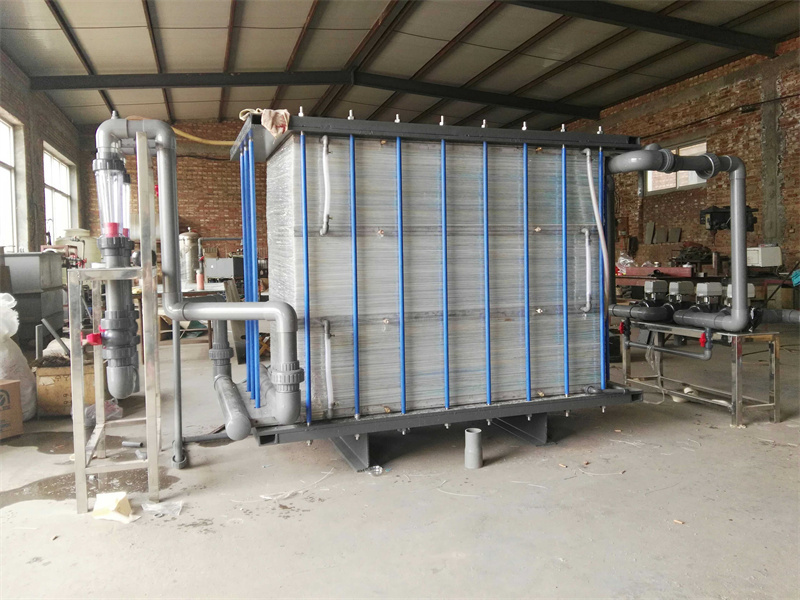
With environmental policies being continuously tightened and industrial sewage discharge standards constantly upgraded, enterprises’ demand for sewage treatment has shifted from basic compliance to high efficiency, energy conservation, resource recovery and intelligent management. As a core link in the sewage treatment industrial chain, sewage treatment manufacturers must rely on technological innovation and in-depth industry research to deliver highly adaptive and cost-effective solutions for enterprises in diverse sectors. They act as guardians for enterprises’ green production and boosters for industrial environmental upgrading.
I. Technological Innovation Directions for Sewage Treatment Manufacturers: From Passive Treatment to Proactive Optimization
Amid rapid iteration of environmental technologies, top-tier sewage treatment manufacturers must break the limits of traditional processes and carry out technological innovation focusing on high efficiency, low carbon and intelligent control to meet sewage treatment requirements for various scenarios:
1. High-Efficiency Treatment Technology: Breakthrough Bottlenecks for Difficult Wastewater Treatment
For complex and refractory industrial wastewater, manufacturers realize precise pollutant removal through process combination and technical upgrading:
Heavy metal wastewater treatment: Adopt combined processes of chemical precipitation, membrane separation and adsorption. For electroplating wastewater from electronics industry, chelating resin adsorption technology reduces heavy metal ions such as copper, nickel and chromium to below 0.01mg/L, far exceeding national discharge standards;
High-concentration organic wastewater treatment: Develop UASB anaerobic reactor combined with aerobic granular sludge process. When treating wastewater from breweries, paper mills and slaughterhouses, the COD removal rate can exceed 95%. Biogas generated can be recycled for energy supply to achieve dual benefits of pollution control and energy production;
Micro-polluted water treatment: For micro-polluted scenarios including drinking water sources and landscape water bodies, adopt advanced treatment technology of activated carbon adsorption, advanced oxidation and membrane filtration to effectively remove trace organics, antibiotics, algal toxins and other pollutants and guarantee water quality safety.
2. Low-Carbon Energy-Saving Technology: Respond to the Dual-Carbon Strategy and Cut Energy Consumption in Pollution Treatment
High energy consumption from aeration, stirring and pump operation together with carbon emissions have long been industry pain points. Leading manufacturers achieve low-carbon operation via technical optimization:
Application of energy-saving equipment: Variable-frequency aeration blowers and energy-saving submersible pumps automatically adjust operating parameters according to sewage quality and treatment load, cutting energy consumption by 20%-30% compared with traditional equipment;
Energy recycling: Sewage source heat pump technology recovers heat from wastewater treatment for factory heating and process heating to reduce purchased energy. Biogas produced from anaerobic sludge digestion is used for power generation, covering 30%-50% of a sewage plant’s electricity demand and realizing energy self-sufficiency;
PV coupled system: Solar panels are laid on the top of structures and open ground of sewage plants to build an integrated wastewater treatment and photovoltaic power generation system. Solar energy is converted into electricity for sewage treatment, lowering reliance on fossil fuels and carbon emission intensity.
3. Intelligent Technology: Improve Treatment Efficiency and Realize Precise Control
Leveraging IoT, big data and artificial intelligence, manufacturers drive the transformation from conventional sewage treatment to smart water management:
Real-time monitoring system: Water quality sensors (COD, ammonia nitrogen, pH), flow sensors and equipment status sensors are installed on treatment facilities, pipe networks and water outlets. Collected data is transmitted to cloud platforms to realize dynamic monitoring of the whole treatment process;
Intelligent regulation system: Based on big data analysis and AI algorithms, process parameters including aeration intensity, chemical dosage and sludge reflux ratio are automatically optimized. The system sends out early warnings and makes automatic adjustments in response to water quality fluctuation or equipment malfunction, avoiding substandard effluent caused by delayed manual operation;
Remote operation and maintenance platform: Technicians remotely access the platform via computers and mobile phones to check operational data and equipment status. Minor faults can be diagnosed and fixed remotely, reducing on-site maintenance frequency, cutting costs and speeding up service response.
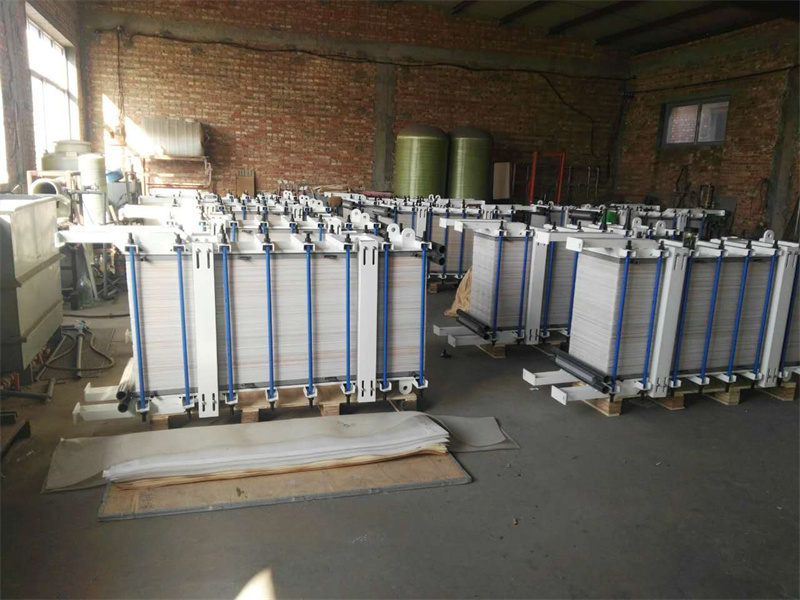
II. Industry Adaptability of Sewage Treatment Manufacturers: Customized Solutions for Different Sectors
Wastewater characteristics, discharge requirements and production conditions vary greatly across industries. Manufacturers must deliver one-to-one customized schemes to solve enterprises’ practical pain points:
1. Industrial Sector: Tackle Difficult Wastewater to Guarantee Compliant Production
Chemical industry: Chemical wastewater contains toxic substances such as benzene, phenols and amines with high pollutant concentration and volatile water quality. Manufacturers adopt pretreatment (oil separation and demulsification) + anaerobic biochemical treatment + aerobic biochemical treatment + advanced treatment (membrane filtration / advanced oxidation) to ensure effluent complies with GB 31571-2015 Emission Standard of Pollutants for Petrochemical Industry. Meanwhile, waste gas collection and treatment systems prevent VOC escape during wastewater treatment;
Printing and dyeing industry: Dyeing wastewater contains large amounts of dyestuffs, auxiliaries and inorganic salts with high chroma and poor biodegradability. Customized processes are formulated for reactive dyes, disperse dyes and other varieties. The combined process of coagulating sedimentation, hydrolytic acidification, contact oxidation, ozonation decolorization and membrane filtration achieves over 98% chroma removal, with COD and ammonia nitrogen meeting discharge standards. Some enterprises adopt reclaimed water reuse systems to supply treated water for printing and rinsing and reduce fresh water consumption;
Pharmaceutical industry: Synthetic pharmaceutical wastewater features high-concentration organics, antibiotics and solvents with strong biological toxicity. The process includes pretreatment (pH adjustment and toxic substance removal), UASB anaerobic reactor, MBR membrane bioreactor and advanced oxidation. Acclimated special microorganisms improve wastewater biodegradability to meet GB 21903-2008 Discharge Standard of Water Pollutants for Fermentation Pharmaceutical Industry. Sludge is treated harmlessly through drying, incineration or sanitary landfilling to prevent secondary pollution.
2. Municipal Sector: Improve Infrastructure and Upgrade Urban Water Environment
Urban domestic sewage treatment: For densely populated towns with stable sewage discharge, manufacturers supply integrated sewage treatment equipment for townships and communities, or EPC and operation services for large-scale urban sewage plants. The AAO (Anaerobic-Anoxic-Oxic) process plus advanced filtration and disinfection ensures effluent reaches Grade I A standard specified in GB 18918-2002 Discharge Standard of Pollutants for Municipal Wastewater Treatment Plants. Part of the reclaimed water can be used for urban greening, road flushing and river replenishment to raise water recycling efficiency;
Sewage treatment for urban villages and old residential communities: In view of incomplete pipe networks and limited land space, buried distributed integrated equipment is adopted without large-scale civil construction. Facilities are installed underground while the ground space is used for greening and parking, eliminating direct sewage discharge without occupying land resources;
Black and odorous water body treatment: A comprehensive scheme of pollution source interception, endogenous treatment and ecological restoration is applied for polluted urban rivers and lakes. Interception pipe networks collect coastal sewage into treatment systems. Meanwhile, sediment dredging, aeration reoxygenation, aquatic plant cultivation and microbial agent dosing restore aquatic ecology, eliminate black odor and continuously improve water quality.
3. Agricultural Sector: Control Non-Point Source Pollution and Boost Rural Revitalization
Livestock breeding wastewater treatment: Breeding sewage is rich in organics, ammonia nitrogen and phosphorus with malodorous gas. The process consists of solid-liquid separation, anaerobic fermentation in biogas digesters and aerobic treatment via oxidation ponds or constructed wetlands. Solid residues are made into organic fertilizer, biogas is used for heating and lighting, and treated water is reused for farmland irrigation to realize resource recycling of breeding waste in line with GB 18596-2001 Discharge Standard of Pollutants for Livestock and Poultry Breeding Industry;
Farmland drainage treatment: To control pesticide and fertilizer loss from farmland runoff, ecological interception ditches and constructed wetlands are built on farm ditches and river inlets. Aquatic plants such as reeds and calamus together with microbial degradation remove nitrogen, phosphorus and pesticide residues and reduce agricultural non-point pollution to rivers and lakes;
Rural domestic sewage treatment: Low-cost and easy-to-maintain solutions including three-compartment septic tanks plus constructed wetlands and small integrated treatment equipment are developed to adapt to scattered rural settlements and limited budgets. Simple operation and low maintenance cost make the facilities widely applicable in rural areas and improve rural living environment.
III. Key Criteria for Selecting a Sewage Treatment Manufacturer: Full-Dimension Evaluation from Pre-Cooperation to Post-Cooperation
Enterprises should comprehensively evaluate manufacturers from technical strength, after-sales guarantee, project experience and cost control to ensure stable long-term project operation:
1. Technical Strength: Verify the Feasibility and Advanced Nature of Core Technologies
Check technical certifications and patents: Give priority to manufacturers holding invention patents and utility model patents, as well as authenticated technical achievements. High-tech enterprise certification and environmental product certification directly reflect R&D capacity;
Inspect laboratories and R&D teams: Formal manufacturers are equipped with professional water quality analysis and process R&D laboratories, together with teams of environmental, chemical and mechanical engineers. Lab jar tests and pilot tests can be carried out with actual wastewater samples to verify process performance and avoid impractical paper plans;
Track technical iteration speed: Ask about recent technical upgrades and participation in industrial standard formulation to confirm whether the manufacturer keeps up with cutting-edge trends including smart water management and low-carbon treatment. The solution should remain advanced within 3 to 5 years without secondary reconstruction.
2. Service Guarantee: Ensure Stable Operation throughout the Whole Project Lifecycle
Pre-project service: Free site surveys and water quality testing are provided. Detailed proposals covering process route, equipment selection, capital investment, operating cost and construction schedule are formulated according to sewage discharge, land area and budget;
Mid-project service: Professional project managers supervise construction progress and quality throughout the whole project and submit regular progress reports. After equipment installation, technical engineers conduct system commissioning and hand over the project only when stable operation and qualified effluent are achieved;
Post-project service: A complete after-sales system is established with a 24-hour service hotline, monthly on-site inspections and quarterly comprehensive maintenance. Consumables including chemicals, membrane elements and wearing parts are supplied at transparent prices. Operational training covering equipment operation, fault diagnosis and emergency response is offered to on-site operators to guarantee long-term stable operation.
3. Project Experience: Refer to Actual Performance of Peer Projects
Screen industry-matching cases: Require manufacturers to provide completed projects in the same industry. Check detailed information including treatment capacity, influent quality, effluent standard, operating cost and maintenance records;
Conduct on-site field visits: Inspect equipment running status and water quality on site, and communicate with project owners about service response, treatment stability and cost control to avoid false project cases;
Verify project acceptance: Confirm whether projects have passed environmental official acceptance and won environmental honors such as Green Factory supporting projects, which prove the compliance and reliability of treatment schemes.
4. Cost Control: Balance Capital Investment and Operating Expenses and Eliminate Hidden Costs
Transparent quotation: A detailed breakdown of equipment, material, construction, commissioning and maintenance fees is required to prevent price hikes after low-bid winning and extra charges caused by missing items;
Whole-lifecycle cost analysis: Apart from upfront investment, long-term expenditure including electricity, chemical cost, labor and equipment depreciation shall be calculated. Manufacturers should estimate the total 10-year cost to select economically feasible solutions with reasonable investment;
Cost optimization proposals: Professional suppliers optimize expenditure by water reuse to cut fresh water cost, energy recovery to reduce power bills, and intelligent operation to lower labor input, minimizing pollution control cost while maximizing economic benefits.
IV. Conclusion: Cooperate with High-Quality Manufacturers to Achieve Win-Win Environmental Protection and Development
Against increasingly strict environmental regulations and enterprises’ strong demand for green development, selecting a technically advanced, service-reliable and experienced sewage treatment manufacturer not only solves pollution problems and avoids environmental penalties, but also creates extra profits via resource recovery and energy conservation. It supports enterprises to achieve balanced and sustainable growth between environmental protection and economic development.
Sewage treatment manufacturers shall keep promoting technical innovation, improving industry adaptability and perfecting service systems. Better solutions will empower green industrial transformation, continuously improve national water environment quality, support the Dual-Carbon goals, and build a harmonious coexistence between human beings and nature.
Related Products
Related News
- New Trends in the Development of the MBR Membrane Wastewater Treatment Industry: A Professional Guide to Selecting Source Manufacturers
- How to Select Wastewater Treatment Equipment for Pig Farms? In-depth Review of Trusted Industry Service Providers
- Hard-to-Treat Slaughterhouse Wastewater? Tested & Recommended High-Adaptability Wastewater Treatment Solutions for 2026
- How to Select Integrated Wastewater Treatment Equipment? In-depth Review of Trustworthy Source Manufacturers Recognized by Industry Insiders
- How to Select Buried Integrated Wastewater Treatment Equipment? Strength Evaluation of Reliable Brands in 2026
- Inventory of New Coal Mine Water Treatment Technologies! How to Select Cost-Effective Manufacturers & Avoid Common Pitfalls
- Textile Printing & Dyeing Wastewater Treatment Is Tough? These Four Powerful Enterprises Easily Solve Core Industry Pain Points
- Authoritative Evaluation of High-Salinity Wastewater Treatment Equipment | Top Recommended Brands of 2026
- Which Supplier Offers Reliable Integrated Sewage Treatment Equipment? Multi-dimensional Actual Test Comparison & Top Recommended Brands Released
- Electroplating Factory Wastewater Treatment Engineering Cases
About Us
products
Business
News
Contact Us
Service Hotline:+86-15253659088WhatsApp: +86 18706508001
Email: jly@haipuou.group
Address: No.56, Donghuan Road, Zhucheng City, Weifang City, Shandong Province, China