


- Home
- About Us
About Us
- Product
Product
- Cases
Cases
- R&D Technology
- News
News
- Contact Us


- Default Language
 EN
EN RU
RU ES
ES DE
DE EL
EL IT
IT JA
JA KO
KO PT
PT ID
ID SR
SR UK
UK VI
VI TH
TH TR
TR MS
MS BE
BE AR
AR
Wastewater treatment equipment for plastic industry solves industrial pollution problems and supports the transition to green production.
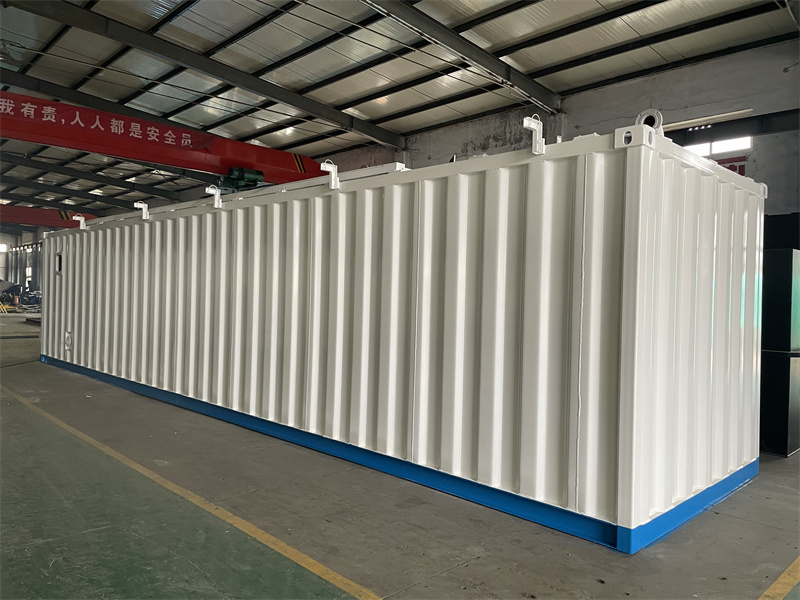
A large volume of polluted wastewater is generated during plastic processing processes, including injection molding, extrusion, film coating and printing. This wastewater contains plastic particles, grease, surfactants, as well as hazardous substances such as heavy metals and organic chemical additives. Direct discharge will seriously damage water bodies and soil, and bring heavy environmental penalties to enterprises. Special plastic wastewater treatment equipment delivers a critical solution for pollution control, compliant discharge and water resource recycling across the industry.
I. Characteristics and Treatment Difficulties of Plastic Wastewater: Why Specialized Equipment Is Indispensable?
Plastic industry wastewater has obvious particularities compared with ordinary industrial sewage, which makes dedicated equipment a necessity:
Complex pollutant composition: Apart from suspended micro plastic particles ranging from several microns to millimeters, the wastewater contains release agents (mineral oil, silicone oil), cleaning agents (surfactants), organic pigments left by color masterbatch, plus heavy metal ions such as chromium and nickel from electroplating on plastic parts. A single treatment process cannot achieve thorough purification.
Fluctuating water quality: pH value and pollutant concentration change frequently due to order changes and process adjustment. Pollutant levels may surge sharply during batch production, leading to unstable treatment efficiency and low compliance rates for conventional equipment.
Strict discharge standards: In accordance with GB 31572-2015 Emission Standard of Pollutants for Synthetic Resin Industry and local environmental regulations, plastic wastewater must meet COD ≤50mg/L and SS ≤10mg/L. Some regions require pipeline discharge or even water reuse standards, which ordinary treatment systems fail to satisfy.
For these reasons, modular multi-process plastic wastewater treatment equipment targets these pollution problems precisely and guarantees environmental compliance for manufacturers.
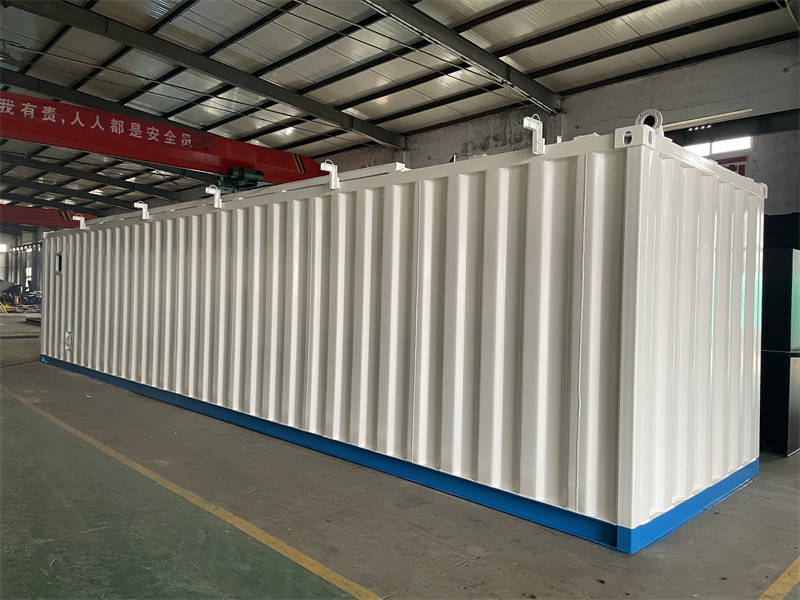
II. Core Technologies of Plastic Wastewater Treatment Equipment: Upgrade from Purification to Resource Recycling
High-performance plastic wastewater treatment systems consist of pre-treatment, advanced treatment, sludge disposal and reclaimed water reuse modules. The whole process is divided into three key stages:
1. Pre-Treatment: Remove Suspended Solids and Reduce Subsequent Load
Bar screen and sedimentation tank: Mechanical bar screens intercept large plastic scraps, while inclined plate sedimentation tanks remove most suspended particles to prevent equipment clogging.
Air flotation machine: Dissolved air flotation generates micro bubbles to adsorb oil and emulsions formed by release agents. Oil removal efficiency exceeds 90%, avoiding negative impacts on subsequent biochemical treatment.
2. Advanced Treatment: Degrade Organics and Remove Heavy Metals
Biochemical module: Combined anaerobic-aerobic processes (UASB reactor + MBR membrane bioreactor) use microbes to break down COD and BOD. MBR membranes trap activated sludge and raise microbial concentration, stabilizing COD removal efficiency above 95% to guarantee qualified effluent.
Advanced oxidation: UV-Fenton or ozonation units are equipped to crack refractory organics such as benzene and phenols via strong oxidation and improve biodegradability.
Heavy metal removal: Chelating resin adsorption or chemical precipitation (sodium sulfide, calcium hydroxide dosing) converts heavy metal ions into insoluble sediment, which is then filtered out to meet national emission limits.
3. Reuse and Sludge Disposal: Realize Circular Economy
Reclaimed water reuse system: The deeply treated wastewater is further purified by UF or RO membranes. The recycled water can be reused for product cooling and workshop cleaning, cutting water consumption by 60%-80% and lowering water bills.
Sludge dewatering machine: Sludge mixed with plastic particles and activated sludge is treated by plate-and-frame filter presses or belt dewaterers to form filter cakes with moisture content below 80%. Recovered plastic debris can be recycled to create extra profits.
III. Four Core Principles for Equipment Selection
Plastic manufacturers should select treatment systems according to production scale, wastewater characteristics and environmental requirements:
1. Matching Treatment Capacity and Water Quality
The designed capacity should exceed actual wastewater discharge by 20% to avoid overload caused by production fluctuation. A complete water quality test report covering pH, COD, SS, oil content and heavy metal concentration is required to configure corresponding modules such as heavy metal removal units.
2. Proven Technology and Stable Compliance
Prioritize mature combined processes such as MBR+RO instead of untested new technologies. Request project cases from injection molding and plastic film factories of the same scale, and check long-term compliance rate and continuous operation failure rate (controlled below 5%).
3. Energy Consumption and Long-Term O&M Cost
Compare power consumption per ton of water and chemical dosage. Although MBR systems require higher upfront investment, their energy consumption is 15%-20% lower than traditional activated sludge processes. Also evaluate the service life and replacement cost of vulnerable parts including membrane elements, pumps and valves to control long-term expenditure.
4. Intelligent Control and Policy Compliance
PLC automatic control and remote monitoring systems enable real-time tracking of water quality and equipment status to cut labor input. Make sure the equipment meets dual-carbon policies and supports online data connection with local environmental supervision authorities to avoid being phased out due to policy updates.
IV. Project Case: Environmental Upgrading for Plastic Enterprises
A large injection molding plant with 500m³/d wastewater discharge was previously penalized for illegal discharge. Later it adopted a complete system: air flotation + MBR bioreactor + RO water reuse.
Treatment result: Effluent COD stayed steadily between 30-45mg/L, SS ≤8mg/L, with no chromium or nickel detected, fully meeting discharge standards.
Economic benefit: The water reuse rate reached 70%, saving 350 tons of fresh water every day and cutting annual water expenses by about 420,000 RMB. 30% of plastic residues in sludge were recycled, recovering 12 tons of plastic materials per year for extra revenue.
Environmental achievement: Annual COD discharge was reduced by 82 tons and oil emission by 15 tons. The enterprise was awarded the Provincial Green Factory title and improved brand reputation.
V. Conclusion: Wastewater Equipment Is Not Only an Environmental Tool, But Also a Growth Driver
With stricter industrial wastewater limits under the 14th Five-Year Plan and rising demand for green transformation, plastic wastewater treatment equipment has become a mandatory investment rather than an optional add-on. High-quality systems not only help enterprises avoid environmental penalties and realize compliant discharge, but also lower production costs via water reuse and material recovery to boost market competitiveness.
Driven by membrane technology, intelligent control and low-carbon processes, future plastic wastewater treatment equipment will become more efficient, energy-saving and smart, supporting the industry’s carbon peaking and carbon neutrality goals. Deploying suitable wastewater treatment facilities as early as possible is not only an environmental obligation, but also a key move to seize opportunities in green development.
Related Products
Related News
- New Trends in the Development of the MBR Membrane Wastewater Treatment Industry: A Professional Guide to Selecting Source Manufacturers
- How to Select Wastewater Treatment Equipment for Pig Farms? In-depth Review of Trusted Industry Service Providers
- Hard-to-Treat Slaughterhouse Wastewater? Tested & Recommended High-Adaptability Wastewater Treatment Solutions for 2026
- How to Select Integrated Wastewater Treatment Equipment? In-depth Review of Trustworthy Source Manufacturers Recognized by Industry Insiders
- How to Select Buried Integrated Wastewater Treatment Equipment? Strength Evaluation of Reliable Brands in 2026
- Inventory of New Coal Mine Water Treatment Technologies! How to Select Cost-Effective Manufacturers & Avoid Common Pitfalls
- Textile Printing & Dyeing Wastewater Treatment Is Tough? These Four Powerful Enterprises Easily Solve Core Industry Pain Points
- Authoritative Evaluation of High-Salinity Wastewater Treatment Equipment | Top Recommended Brands of 2026
- Which Supplier Offers Reliable Integrated Sewage Treatment Equipment? Multi-dimensional Actual Test Comparison & Top Recommended Brands Released
- Electroplating Factory Wastewater Treatment Engineering Cases
About Us
products
Business
News
Contact Us
Service Hotline:+86-15253659088WhatsApp: +86 18706508001
Email: jly@haipuou.group
Address: No.56, Donghuan Road, Zhucheng City, Weifang City, Shandong Province, China