I. Industry Pain Points: Wastewater Treatment Difficulties and Rigid Demand for Equipment
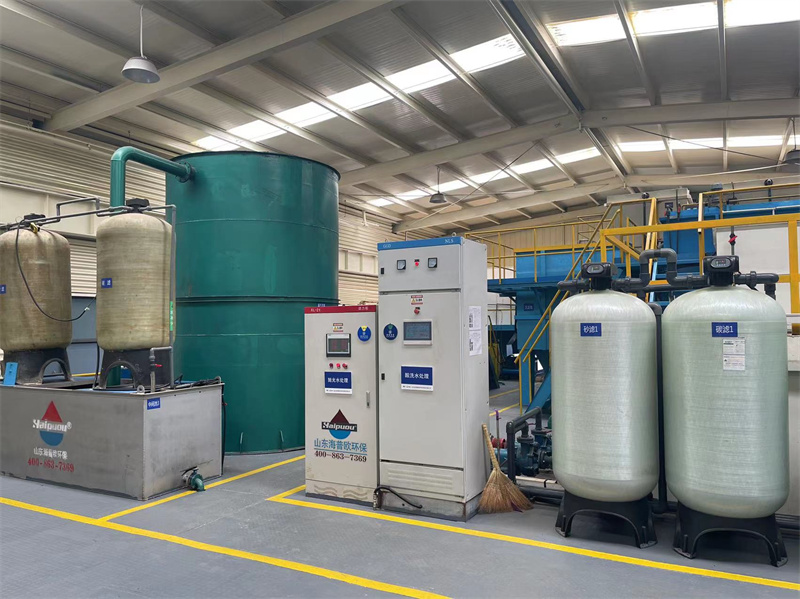
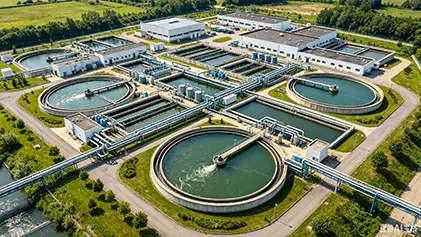
Washing procedures in plastic recycling, waste household appliance dismantling, and auto parts recovery produce complex wastewater containing high concentrations of suspended solids (SS), organic matter (COD), grease and trace additives. Direct discharge of such wastewater will lead to eutrophication and soil pollution. Moreover, with SS concentration reaching 1200mg/L and COD exceeding 1800mg/L, enterprises will face environmental penalties. As the core treatment facility, plastic washing wastewater treatment equipment realizes the whole-process treatment including impurity removal, organic degradation, purification and water reuse, and meets the site and budget requirements of enterprises of different scales.
II. Core Technology: Process Principles and Key Components
(1) Three-stage Treatment Process
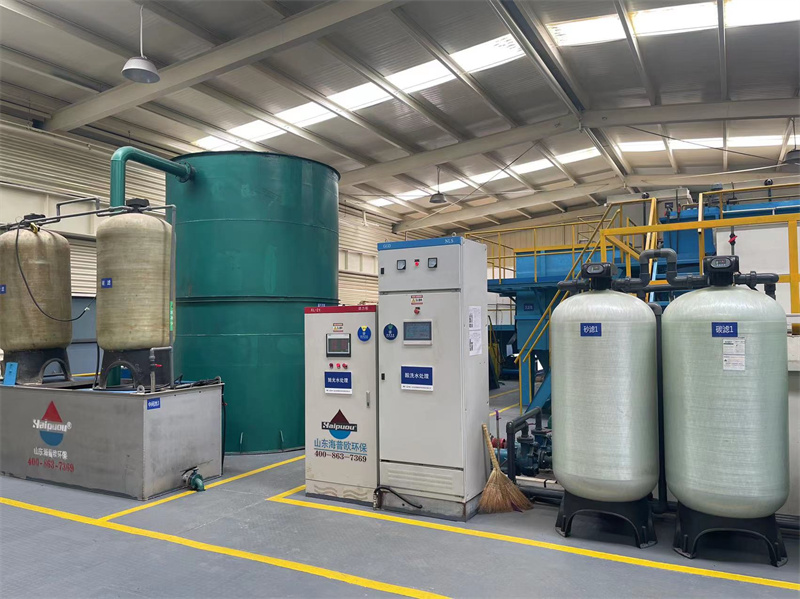
Plastic washing wastewater treatment equipment generally adopts the combined process of "Pretreatment + Biochemical Treatment + Advanced Purification" to efficiently remove pollutants in each stage:
1. Pretreatment Stage: Mechanical bar screens intercept large impurities such as plastic fragments and labels. Cyclone separators remove high-density particles. Then the dissolved air flotation machine together with PAC/PAM flocculants removes over 95% of suspended solids and grease, with COD reduction above 40%. Aeration in the regulating tank stabilizes water quality for subsequent treatment.
2. Biochemical Treatment Stage: Main technologies include biological contact oxidation process with new three-dimensional elastic packing (high organic removal rate and low sludge output), modified A²/O MBBR process for efficient nitrogen and phosphorus removal, as well as hydrolytic acidification + AO bioreactor to cultivate special microbes for degrading refractory additives. For high-concentration wastewater, UASB anaerobic reactors can decompose organic pollutants and recover biogas.
3. Advanced Purification Stage: Multi-media filtration (quartz sand + activated carbon), ultrafiltration membrane separation or ozonation are used to eliminate residual pollutants. Finally, UV disinfection ensures compliance of fecal coliform. The treated water can be recycled directly or meet Grade A Standard in GB8978 Comprehensive Wastewater Discharge Standard.
(2) Key Equipment and Performance Advantages
• Core treatment units: Integrated flotation sedimentation machine, biological contact oxidation tank and MBR membrane reactor are the three key facilities. The MBR system combines biochemical treatment and membrane separation technology. It occupies less land and produces effluent with turbidity below 5mg/L, perfectly fitting water reuse demands.
• Automatic configuration: Most equipment is equipped with online pH monitoring, remote control and early warning system for unattended operation and lower maintenance cost.
• Energy-saving and eco-friendly design: Closed structure prevents secondary pollution. Some units integrate sludge dewatering, so sludge discharge only needs to be conducted once every 90 days, cutting power consumption by 30% compared with traditional processes.
III. Industrial Application: Typical Projects & Treatment Results
(1) Large-scale Plastic Recycling Factory
This plant treats 500 tons of wastewater per day, with influent COD of 2000mg/L and SS of 1500mg/L. After adopting the process of Bar Screen - Grit Chamber - Air Flotation - UASB - Biological Contact Oxidation - Sand Filtration - Activated Carbon Adsorption, the effluent COD drops to 80mg/L and SS is less than 20mg/L, saving water cost up to 500,000 RMB per year.
(2) Renovation Project of Small Processing Factory
The factory discharges 80 tons of wastewater every day, while the original system failed to meet discharge standards. After renovation with the process of Regulating Tank - Hydrolytic Acidification - Biological Contact Oxidation - Tube Settler - Ultrafiltration, the effluent COD<60mg/L and ammonia nitrogen<5mg/L, satisfying local environmental regulations.
(3) Wide Adaptability
The equipment is widely used in plastic pellet washing (removal of sediment and labels), waste household appliance dismantling (treatment of residual additives), auto parts recycling (removal of metal ions and oil stains), with treatment capacity ranging from 2 tons to hundreds of tons per hour.
IV. Equipment Selection Guide: Match Facilities with Actual Demands
(1) Key Selection Indicators
1. Water quality characteristics: For wastewater with high SS, select combined air flotation and sedimentation equipment. For wastewater containing refractory additives, strengthen hydrolytic acidification and AO biochemical treatment. Add MBR membrane systems if high water reuse rate is required.
2. Treatment capacity: Modular integrated machines are suitable for small factories (daily capacity<100 tons); customized graded treatment systems are required for large factories (daily capacity>500 tons).
3. Site and cost: Compact equipment saves 40% floor area for sites with space limits. Although automated equipment requires higher initial investment, it can cut annual operation cost by more than 200,000 RMB.
(2) Compliance Requirements
The effluent quality shall comply with GB/T 31962-2015 Wastewater Quality Standards for Discharge to Urban Sewers or GB8978 Comprehensive Wastewater Discharge Standard. Reclaimed water shall meet GB/T 18920-2020 Reuse of Urban Recycling Water - Urban Miscellaneous Water Quality Standard (COD≤60mg/L, turbidity<5mg/L).
V. Future Trends: Technological Upgrade & Industrial Value
With stricter environmental policies, plastic washing wastewater treatment equipment is developing towards higher efficiency, low carbon and intelligent control. Newly designed equipment integrates photovoltaic power supply and sludge recycling technology to reduce energy consumption by another 15%. AI monitoring systems automatically adjust chemical dosage for higher treatment accuracy. Proper equipment selection helps enterprises avoid environmental fines, cut costs via water recycling, and boost the development of circular economy.





 EN
EN RU
RU ES
ES DE
DE EL
EL IT
IT JA
JA KO
KO PT
PT ID
ID SR
SR UK
UK VI
VI TH
TH TR
TR MS
MS BE
BE AR
AR