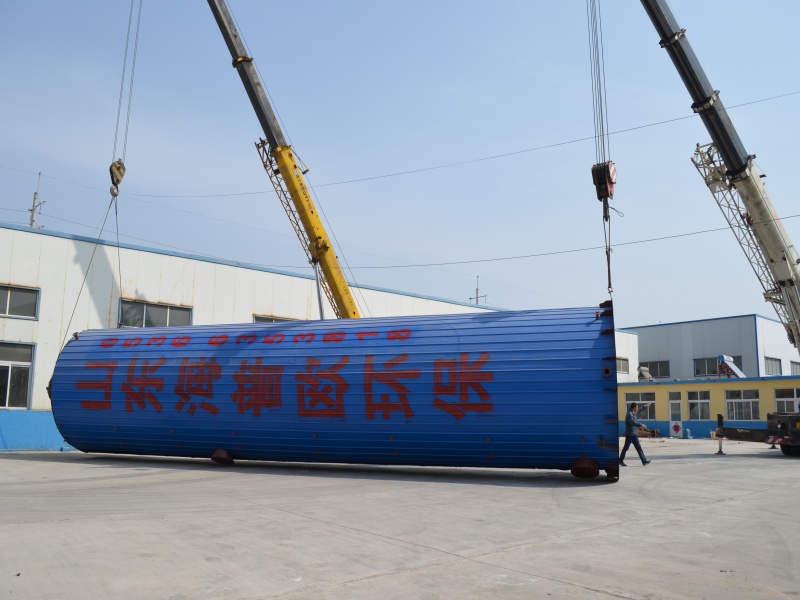
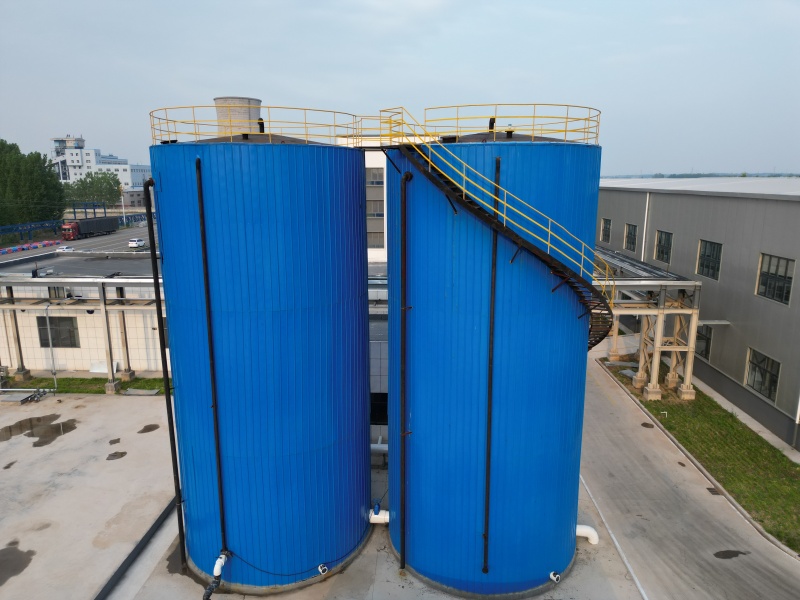
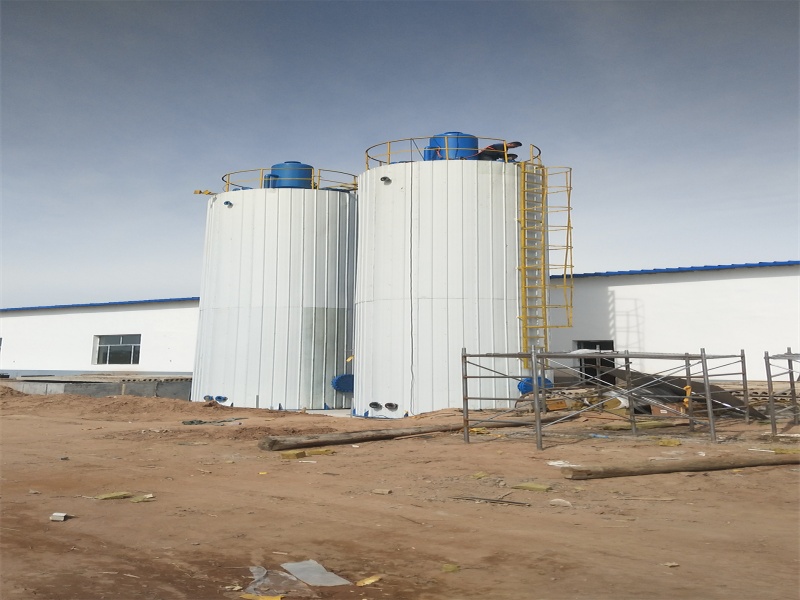
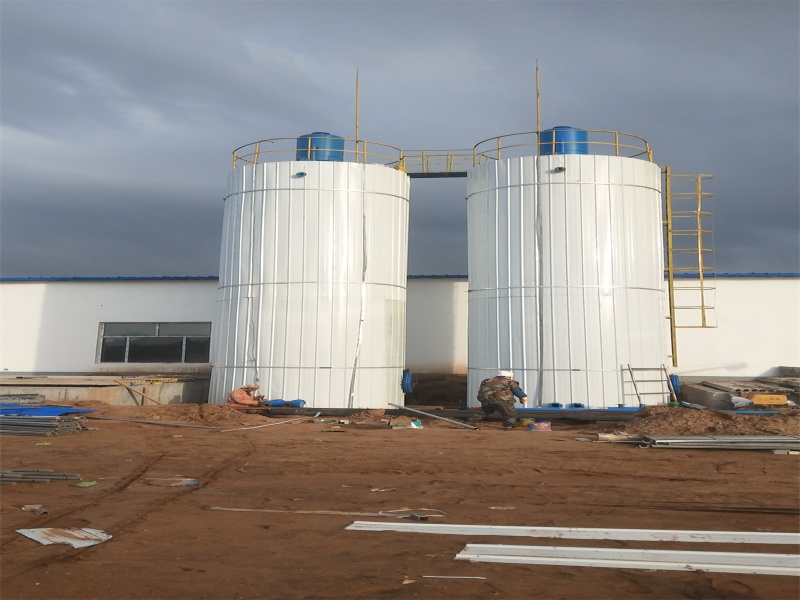
一、Product Introduction
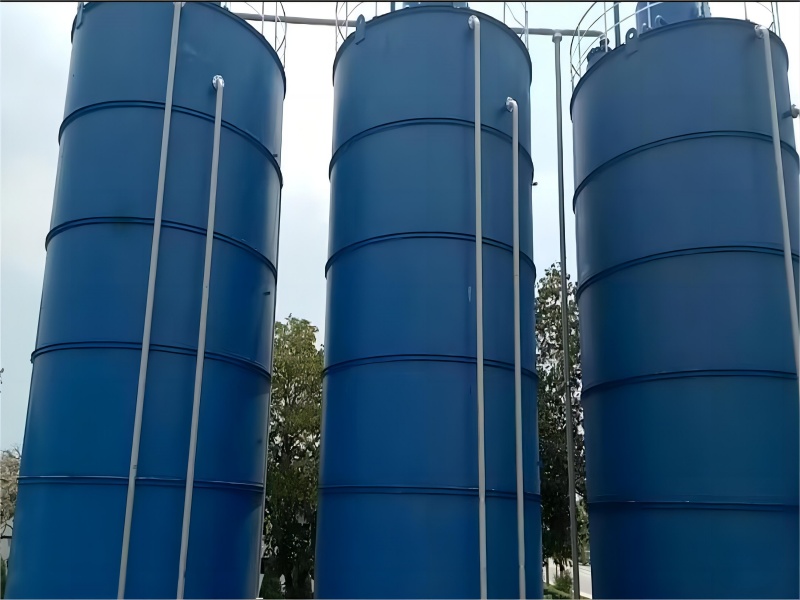
Haipuou Environmental Protection anaerobic reactors (including the IC internal circulation anaerobic tower and UBF composite anaerobic reactor) represent a third-generation, high-efficiency anaerobic wastewater treatment technology. Developed in-house by integrating and refining advanced domestic and international anaerobic treatment methods, these systems combine the advantages of AF (anaerobic biofilter) and UASB (upflow anaerobic sludge blanket) technologies. They serve as core, energy-efficient solutions for treating organic wastewater across high, medium, and low concentration ranges. The UBF composite reactor features a suspended sludge layer at the bottom and a specialized packing layer at the top, leveraging the benefits of both sludge enrichment and biofilm attachment. The IC internal circulation reactor utilizes a dual-layer UASB configuration in series, comprising five functional zones—mixing, first anaerobic, second anaerobic, gas-liquid separation, and sedimentation—characterized by a scientifically sound design and mature, advanced process technology.
Operating on core anaerobic biological principles, the equipment utilizes the metabolic activity of anaerobic and facultative microorganisms in an oxygen-free environment to break down complex organic matter in wastewater into harmless substances such as methane and carbon dioxide, simultaneously achieving wastewater purification and clean energy recovery. A unique biogas-driven internal circulation system eliminates the need for external power; the rising biogas drives the circulation of the sludge-water mixture, significantly enhancing mass transfer and ensuring thorough contact between microorganisms and organic matter for effective degradation. The system boasts an exceptionally high volumetric loading rate—up to 30 kg COD/(m³·d)—delivers excellent COD and BOD removal efficiency, and generates minimal excess sludge. With years of expertise in IC anaerobic technology, Haipuo Environmental Protection continuously optimizes equipment structure and processes to effectively reduce investment and operating costs. The technology has been successfully implemented in wastewater projects across various industries—including papermaking, pharmaceuticals, food processing, and textile printing and dyeing—demonstrating technical maturity and stable operational performance.
二、Product Advantages
1. High volumetric loading and superior wastewater treatment efficiency
The anaerobic reactor features a high concentration of granular sludge and a large microbial population. Combined with a proprietary internal circulation and agitation system, it achieves excellent mass transfer between sludge and water, delivering an organic loading capacity more than three times that of conventional anaerobic reactors. It rapidly degrades various organic compounds in wastewater, achieving COD and BOD removal rates far exceeding those of traditional anaerobic equipment like UASB reactors, making it ideal for the efficient purification of diverse organic wastewaters.
2. Compact footprint and cost-effective investment; suitable for space-constrained sites
With a height-to-diameter ratio of 4:8 and significantly enhanced volumetric loading, the reactor occupies only one-quarter to one-third of the volume of conventional anaerobic reactors, resulting in substantial savings on land use and infrastructure investment. The unit features a compact, highly integrated structure that is easy to install, making it perfect for industrial enterprises and factory sites with limited space—whether for retrofitting existing wastewater treatment systems or constructing new ones—while offering lower overall construction costs.
3. Strong resistance to shock loads and stable operational performance
Leveraging a unique internal circulation design, the system utilizes a large volume of recirculated water to rapidly dilute influent concentrations and buffer fluctuations in water quality. This effectively mitigates the shock and inhibitory effects of toxic or harmful substances on the anaerobic microbial community. The system withstands sudden changes in influent flow and quality with excellent shock resistance, ensuring long-term stable operation and preventing process failure or effluent quality violations.
4. Passive internal circulation for significant energy savings
Unlike traditional reactors that rely on external pumps for forced recirculation, this system utilizes the biogas generated during the anaerobic reaction as the driving force for vertical mixing. This enables fully automated internal circulation of the sludge-water mixture without consuming additional electricity, drastically reducing operational energy consumption. Additionally, the system possesses inherent pH buffering capabilities, effectively lowering chemical dosage requirements and further minimizing overall operating costs.
5. Excellent low-temperature tolerance; suitable for ambient temperature operation
The system cultivates a dense population of highly active anaerobic microorganisms, significantly mitigating the impact of temperature fluctuations on the anaerobic digestion process. It operates stably at ambient temperatures of 20–25°C without the need for high-temperature insulation facilities. This resolves the common drawbacks of traditional anaerobic systems—such as low efficiency at low temperatures and the necessity for heating and insulation—thereby saving on energy costs and reducing investment in auxiliary equipment.
6. Supports intermittent operation; ideal for seasonal production cycles
The system utilizes specialized granular sludge characterized by exceptional activity and superior settling properties. It maintains high biological activity for over a year even during periods without influent flow or nutrient supply, making it suitable for intermittent or seasonal operation. It is particularly well-suited for wastewater treatment in industries with cyclical production schedules, such as food processing and deep processing of agricultural products, offering outstanding operational resilience.
7. Autonomous pH buffering for simple, hassle-free operation and maintenance
The system utilizes the natural alkalinity generated during COD conversion to autonomously balance the pH level within the reactor, maintaining a stable environment conducive to microbial survival. This significantly reduces the need for external alkaline agents, lowers operational complexity and chemical costs, and enables fully automated operation without the need for dedicated on-site personnel.
8. High resource recovery rates with outstanding economic and social benefits
The anaerobic process converts organic pollutants in the wastewater into high-purity methane—a clean energy source—which can be directly utilized for on-site heating, power generation, or industrial fuel gas, thereby recovering energy from waste. Additionally, the system generates minimal excess sludge with a high degree of mineralization; this sludge can be repurposed as agricultural fertilizer or as seed sludge for other anaerobic projects, truly realizing the multiple benefits of effective wastewater treatment, energy conservation, cost reduction, and resource recycling.
三、Scope of Application
Haipuou anaerobic reactors offer broad adaptability and versatility, covering the full spectrum of high, medium, and low-concentration organic wastewater and sludge treatment scenarios. They are widely used in municipal and industrial environmental water treatment projects, with core applications as follows:
1. High concentration organic industrial wastewater: Suitable for the pre-treatment and advanced treatment of high-concentration organic wastewater—such as that from papermaking, pharmaceuticals, printing and dyeing, citric acid production, starch processing, brewing, and food processing—effectively degrading high-load COD organic pollutants.
2. Medium and low concentration wastewater treatment: Adaptable for treating medium- and low-concentration wastewater, including municipal domestic sewage and production wastewater from small and medium-sized enterprises. Suitable for both new wastewater projects and the upgrading/retrofitting of existing wastewater treatment stations, ensuring stable operation and high compliance rates.
3. Organic sludge disposal: Applicable to the anaerobic digestion of organic and biochemical sludge generated by various water treatment systems, achieving sludge reduction, stabilization, and harmless disposal, while facilitating the resource utilization of solid waste.
4. Wastewater projects for seasonal production enterprises: Specifically designed for enterprises with intermittent or seasonal production schedules, such as agricultural product processing and food/beverage brewing. Leveraging the capability for intermittent operation, the system perfectly matches intermittent discharge patterns, ensuring high equipment utilization and low operation and maintenance costs.





 EN
EN RU
RU ES
ES DE
DE EL
EL IT
IT JA
JA KO
KO PT
PT ID
ID SR
SR UK
UK VI
VI TH
TH TR
TR MS
MS BE
BE AR
AR