一、Product Introduction
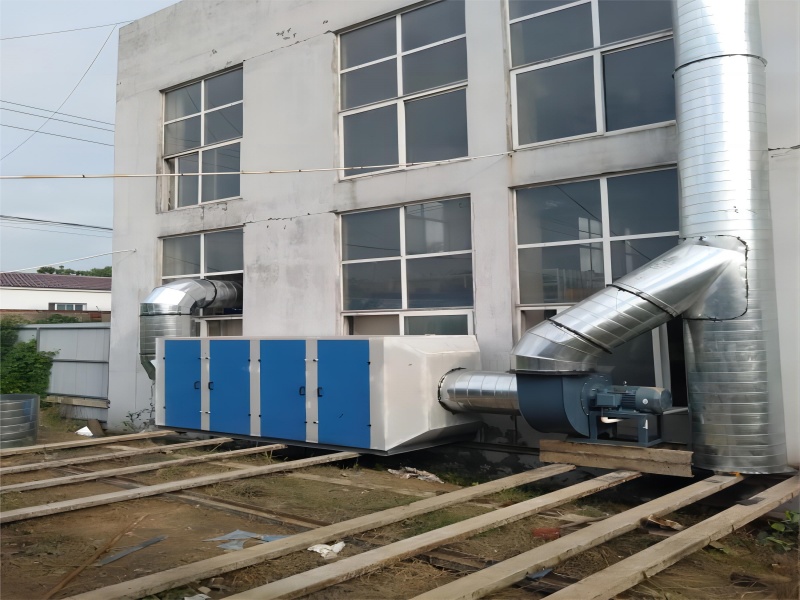
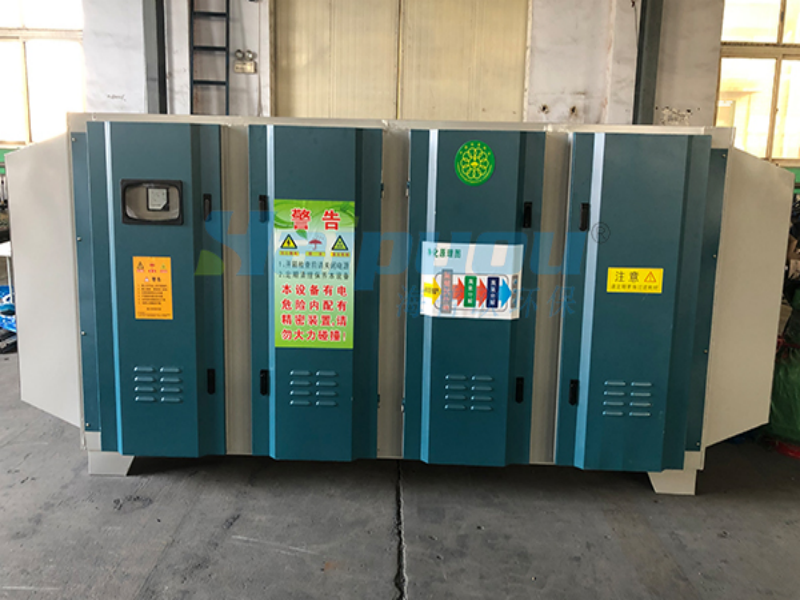
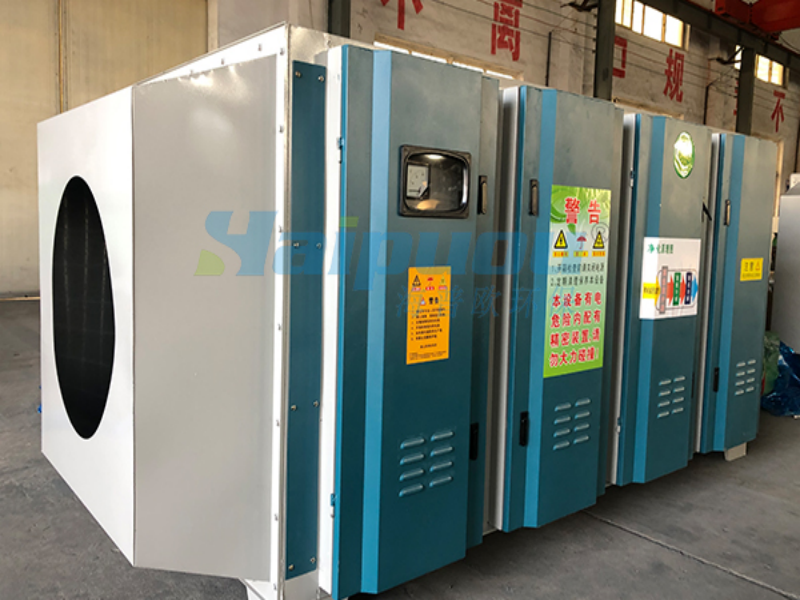
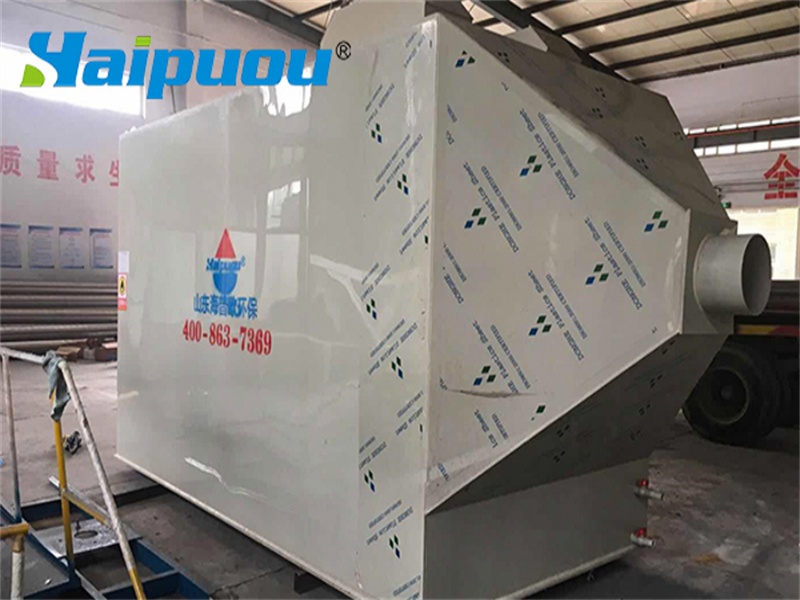
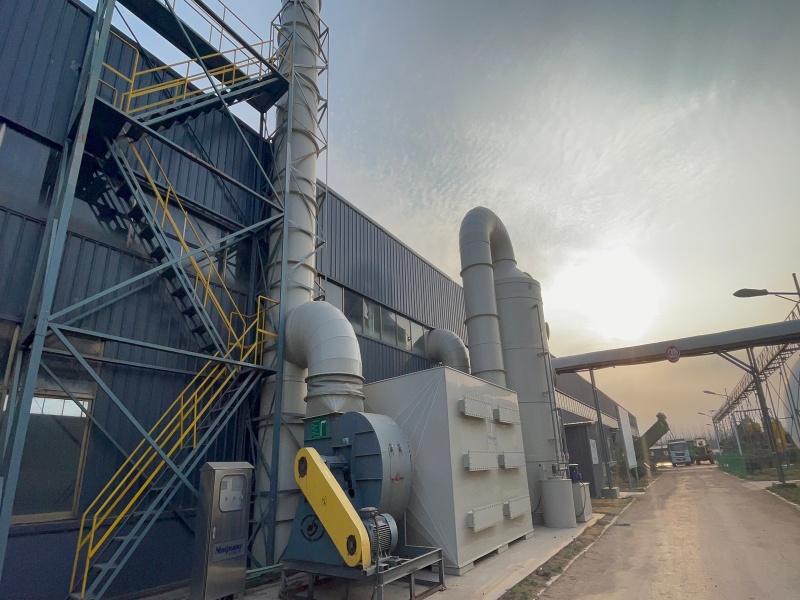
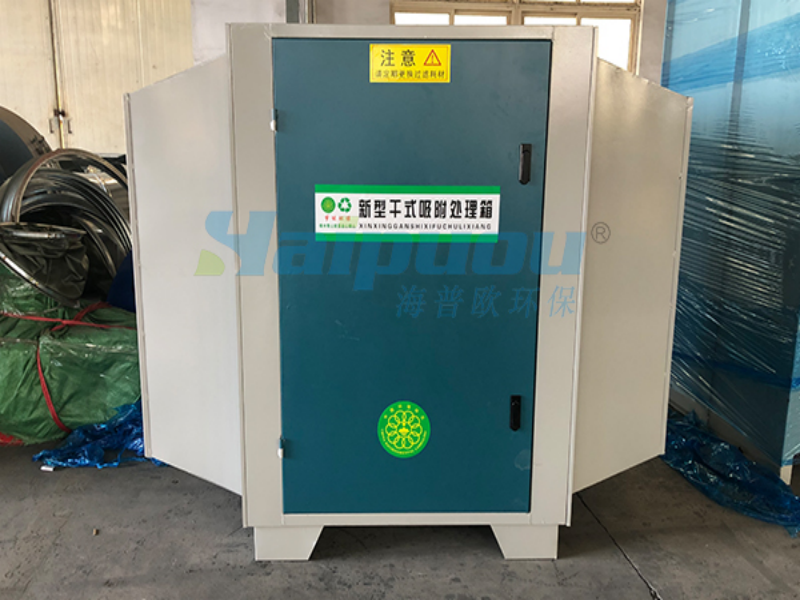
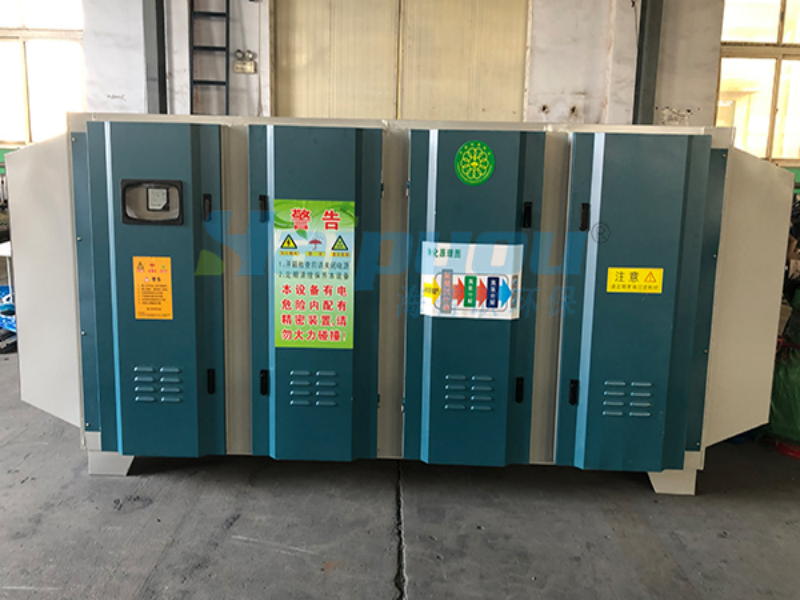
Haipuou Environmental Protection UV photolysis and oxidation equipment is a leading, high-efficiency solution for treating industrial VOCs and foul odors. It specializes in the decomposition and purification of organic waste gas, odor removal, and harmless degradation. Widely used in deodorization and VOC compliance projects across various industries, the equipment employs a synergistic three-stage process: UV photolysis, strong ozone oxidation, and TiO₂ photocatalytic catalysis. Utilizing photochemical reactions, it efficiently decomposes various organic pollutants and malodorous gases at ambient temperature and pressure. This effectively resolves environmental issues such as excessive emissions, odor nuisances, and VOC non-compliance. The system operates without chemical additives or the risks associated with high temperatures and pressures, ensuring that treated exhaust meets national emission standards for safe discharge.
The equipment features a scientifically designed, closed-loop operational process with comprehensive purification stages. Upon entering the unit, organic waste gas and malodorous gases are first exposed to high-intensity UV beams. This instantly breaks the molecular chains of compounds such as hydrogen sulfide, methyl mercaptan, methyl sulfide, carbon disulfide, trimethylamine, styrene, benzene, toluene, xylene, and various VOCs, dismantling large-molecule pollutants into smaller, free-floating substances. Next, the UV beams activate oxygen molecules in the air to generate highly active free oxygen; this free oxygen combines with other oxygen molecules to produce ozone—a powerful oxidant—which further oxidizes and decomposes the pollutants, initially converting them into harmless substances like carbon dioxide and water. Finally, the system utilizes specialized TiO₂ photocatalytic filter media. Under continuous UV irradiation, a secondary synergistic catalytic reaction is triggered, significantly boosting oxidation and degradation efficiency. This step thoroughly purifies residual gases and eliminates harmful airborne bacteria. Through the combined action of these multiple processes, odors are completely eradicated, and clean air is discharged in compliance with standards, ensuring stable purification and thorough degradation throughout the operation.
二、Product Advantages
1. Triple synergistic purification for thorough and efficient degradation
The system employs a triple-purification structure—combining UV photolysis, ozone oxidation, and photocatalytic catalysis—to treat waste gas and odors through a multi-stage, gradient process. It achieves comprehensive degradation of VOCs and malodorous gases across various types and concentrations, breaking down pollutants layer by layer. This eliminates issues such as incomplete treatment, residual odors, and non-compliance with emission standards, ensuring an exceptionally high success rate for purification and deodorization.
2. Ambient-temperature photochemical reaction for safe, stable operation
The entire purification process takes place at ambient temperature and pressure, requiring no high heat, high pressure, or open flames. It poses no risk of explosion or other safety hazards, making it suitable for enclosed workshop and factory environments. Relying entirely on physical photochemical reactions without the use of flammable or explosive consumables, the system operates stably and safely, fully complying with industrial safety and environmental protection standards.
3. No chemical reagent consumption; extremely low O&M costs
The equipment purifies waste gas through light-driven catalytic reactions, eliminating the need for continuous additions of chemical reagents (such as acids, alkalis, or oxidants) or other consumables; it consumes only a small amount of electricity. Key components—such as the photocatalytic filter media and UV lamps—feature long service lives and minimal wear, requiring no frequent replacement. Routine maintenance involves only simple cleaning, resulting in significant savings on chemicals, consumables, and labor, and offering outstanding cost-effectiveness for long-term operation.
4. Integrated design for versatile installation
The equipment features a modular, integrated structure with a compact layout and small footprint, eliminating the need for complex civil engineering works. It supports various installation methods—including floor-standing and wall-mounted configurations—and connects flexibly to existing exhaust collection piping. With a short installation cycle and ease of setup, it is suitable for both new and existing facilities, including sites with space constraints.
5. Fully automated, unattended operation
The system operates continuously and automatically upon power-up, enabling 24-hour, round-the-clock processing without the need for dedicated personnel. With no complex moving parts, the unit boasts a very low mechanical failure rate, stable performance, and high resilience against operational shocks or minor fluctuations in exhaust concentration, making routine maintenance simple and hassle-free.
6. Eco-friendly purification with no residues or secondary pollution
The equipment thoroughly decomposes organic exhaust gases and odorous pollutants into harmless substances such as carbon dioxide and water. It generates no solid waste, liquid waste, or hazardous waste, and produces no secondary air pollution. The purification process is environmentally friendly, delivering stable and compliant treatment results that easily meet environmental inspection standards at all levels.
三、Scope of Application
Haipuou UV photolysis oxidation equipment offers broad compatibility and powerful purification capabilities. Designed specifically for treating industrial VOCs and various malodorous gases, it serves as core equipment for odor remediation and emission standard upgrades in industrial enterprises. Key application scenarios include:
1. Industrial VOCs Treatment: Suitable for production processes generating volatile organic compounds (VOCs) such as benzene, toluene, xylene, and non-methane total hydrocarbons (NMTHC). It efficiently degrades various organic chemical pollutants, resolving issues related to excessive VOC emissions.
2. Treatment of Malodorous Gases: Highly effective for treating sulfur- and amine-containing malodorous gases—including process odors, putrefactive smells, and irritating exhaust—thereby completely eliminating environmental issues such as odor dispersion and nuisance complaints.
3. Multi-Industry Applications: Widely used in sectors such as spray painting/coating, printing and ink, rubber and plastics, pharmaceuticals, food processing, chemicals, electronics, and furniture manufacturing; suitable for the routine purification and treatment of various industrial exhaust streams.
4. Environmental Standard Upgrades: Suitable for exhaust treatment systems in both new and existing plants, as well as for upgrading legacy equipment. It can be used independently or in conjunction with spray tower pre-treatment units to rapidly improve treatment standards, helping enterprises consistently meet compliance requirements and pass environmental inspections.





 EN
EN RU
RU ES
ES DE
DE EL
EL IT
IT JA
JA KO
KO PT
PT ID
ID SR
SR UK
UK VI
VI TH
TH TR
TR MS
MS BE
BE AR
AR